Gear Machining

Focusing on the design principles, manufacturing processes, and quality control of various types of gears.

What Is an Idler Gear?

What Is an Idler Gear?

This in-depth guide to idler gears covers their definition, core functions, working principle, key distinctions from driving and driven gears, structural features of three common types, and industrial applications across automotive transmissions, conveyor systems and precision equipment.

Read More
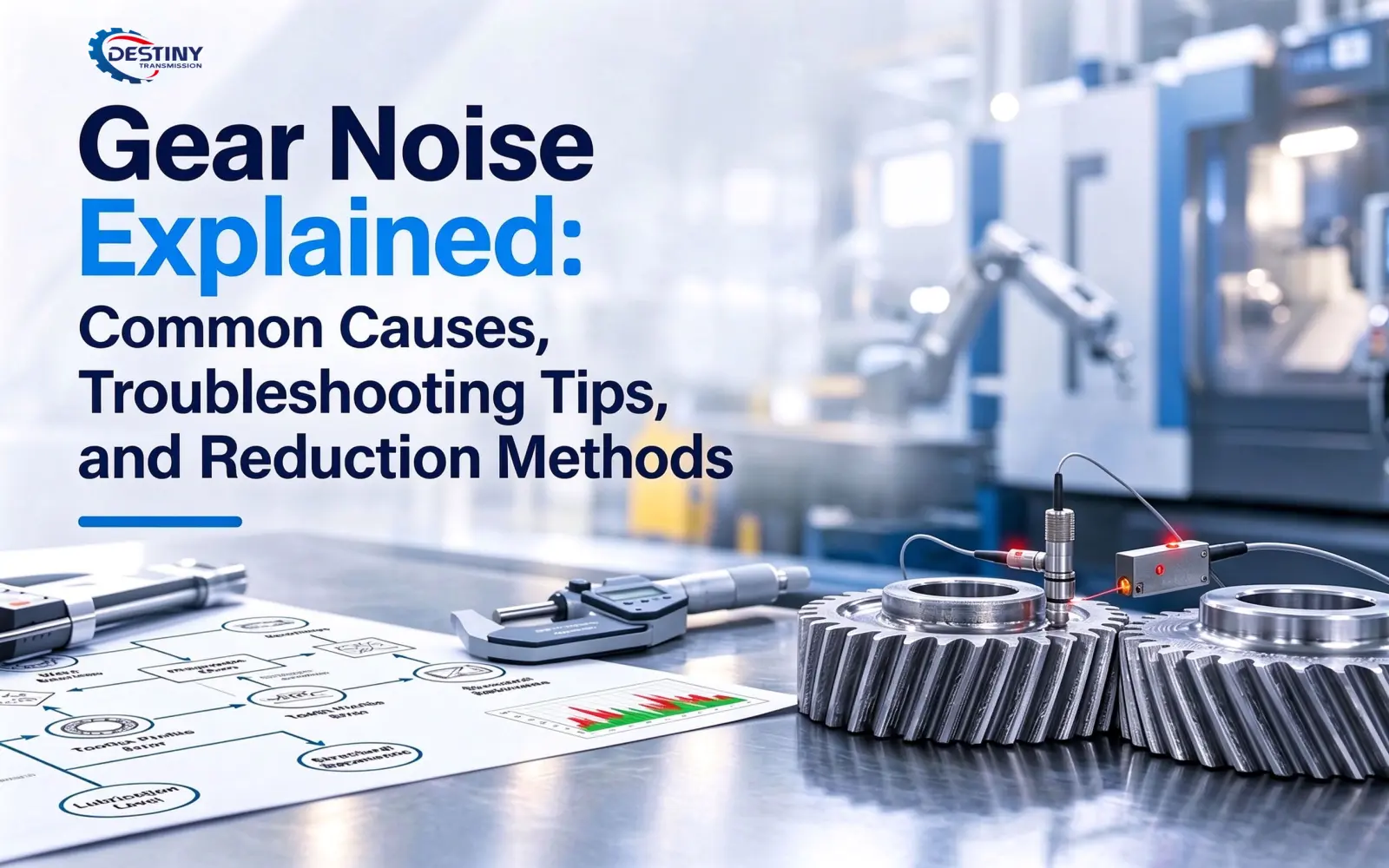
Gear Noise: Common Causes, Troubleshooting Tips, and How to Reduce It

Gear Noise: Common Causes, Troubleshooting Tips, and How to Reduce It

This article explores common causes of gear noise, including manufacturing errors, misalignment, inadequate lubrication, tooth surface damage, bearing problems and structural resonance. It also provides troubleshooting checklists and noise reduction methods to help manufacturers and maintenance teams identify potential issues and improve transmission system stability.

Read More
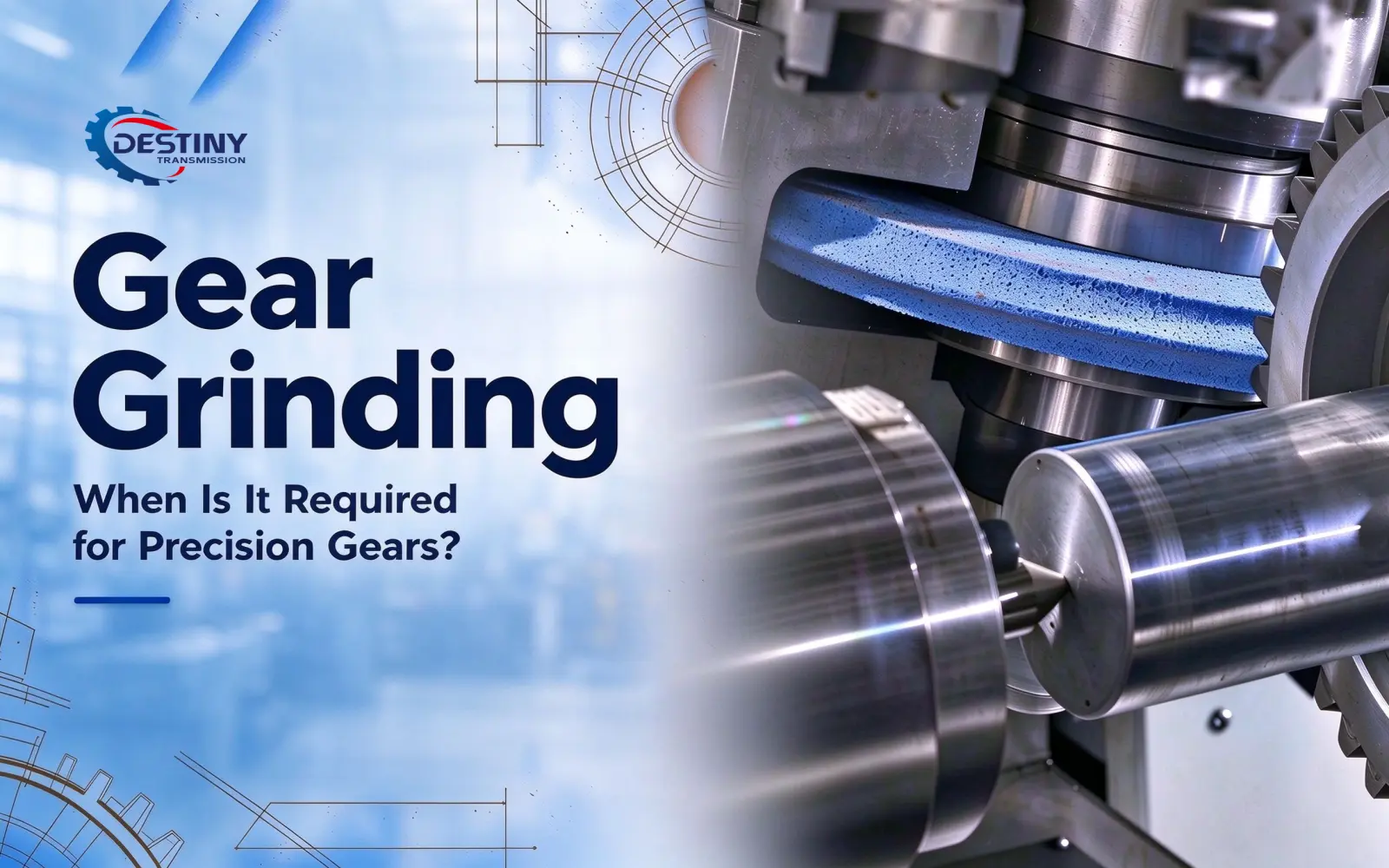
Gear Grinding: When Is It Required for Precision Gears?

Gear Grinding: When Is It Required for Precision Gears?

This article explains the benefits and applications of gear grinding, examining how accuracy requirements, heat treatment, loads, and operating conditions affect the need for grinding. It also compares gear grinding with hobbing, shaping, and shaving to help manufacturers select the right process.

Read More
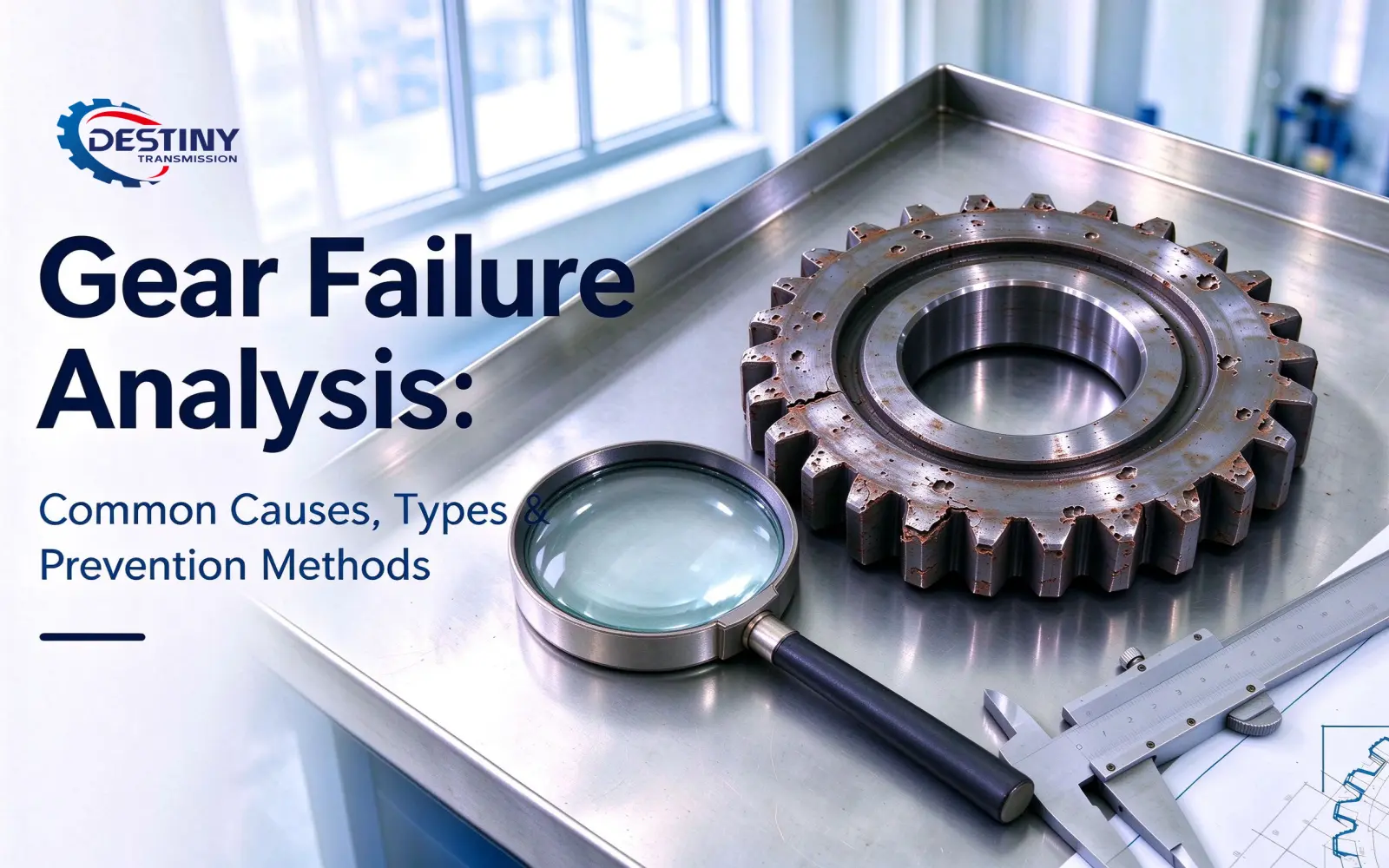
Gear Failure Analysis: Common Causes, Types, and Prevention Methods

Gear Failure Analysis: Common Causes, Types, and Prevention Methods

Gear failure can result from multiple factors, including material selection, heat treatment, machining accuracy, lubrication, and operating conditions. This article explains common gear failure modes and prevention methods, helping buyers and engineers better understand how manufacturing processes and quality control improve gear reliability.

Read More