Gear Machining

Focusing on the design principles, manufacturing processes, and quality control of various types of gears.

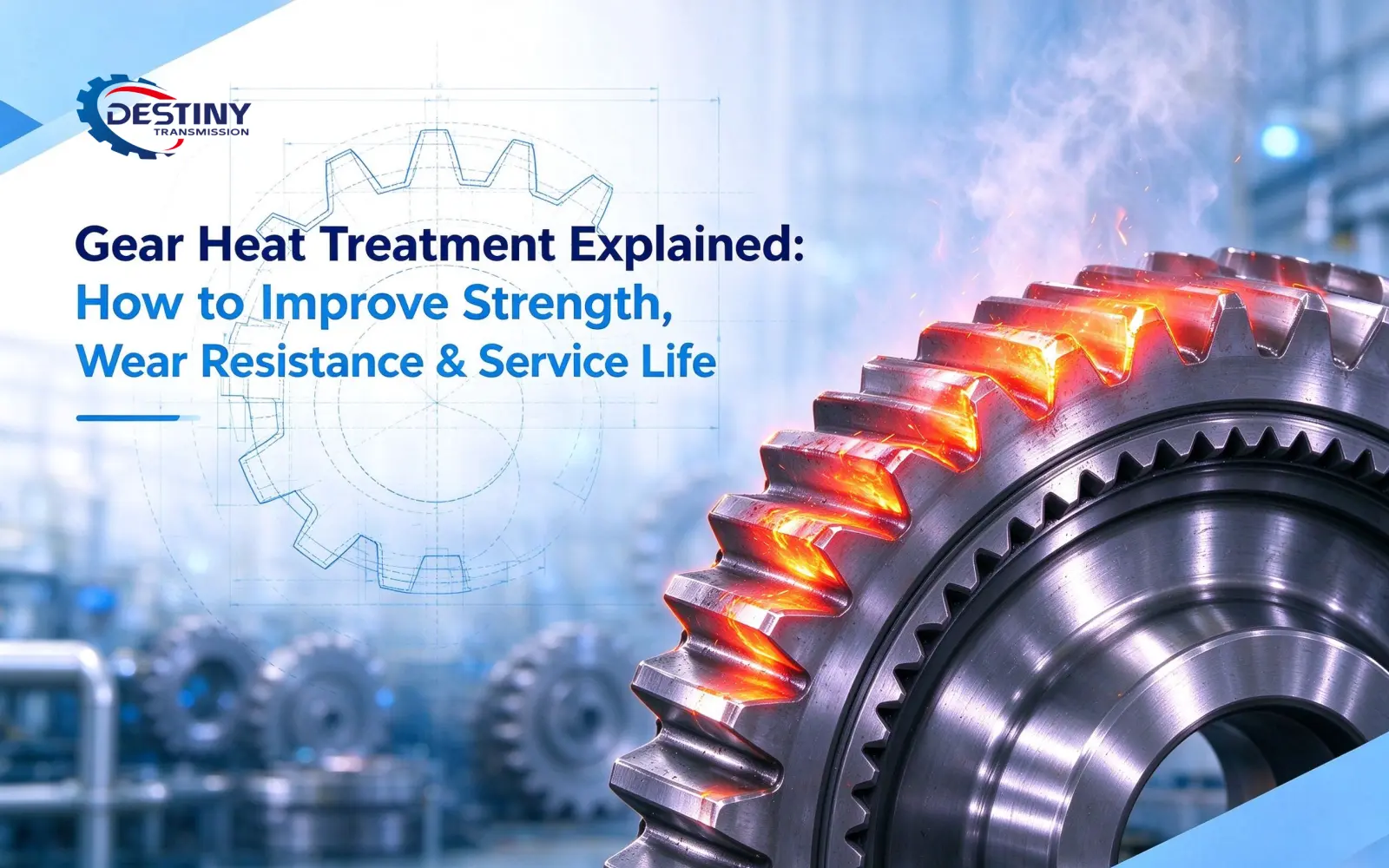
Gear Heat Treatment Explained: How to Improve Strength, Wear Resistance, and Service Life

Gear Heat Treatment Explained: How to Improve Strength, Wear Resistance, and Service Life

Why is heat treatment important for gears? This guide explains the basic principles of gear heat treatment and common processes including carburizing and quenching, induction hardening, nitriding, and quenching and tempering. It also covers their effects on surface hardness, wear resistance, fatigue strength, and core toughness, as well as distortion control, hardened-layer inspection, quality control, and heat-treatment selection for custom gears.
Read More
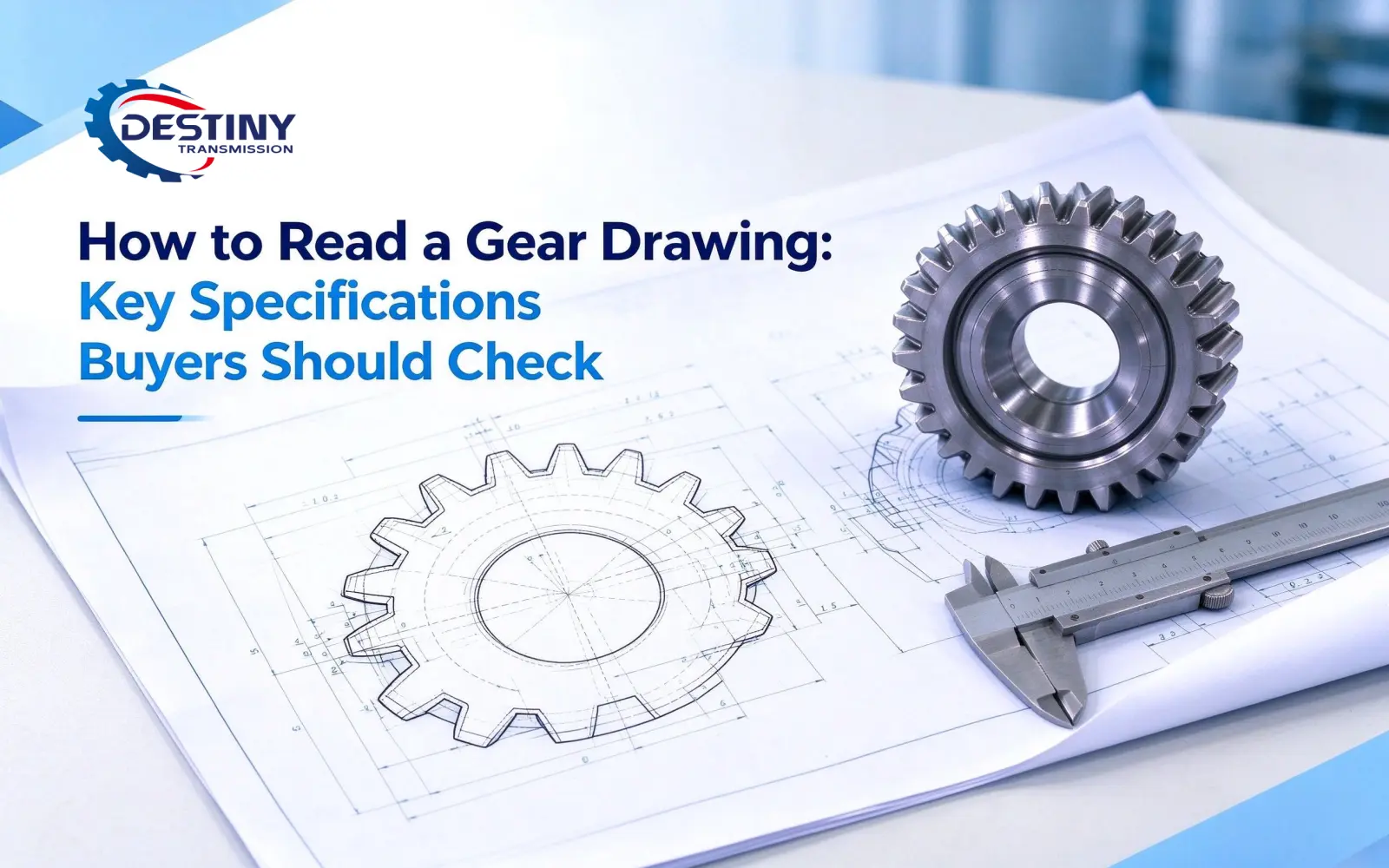
How to Read a Gear Drawing: Key Specifications Buyers Should Check

How to Read a Gear Drawing: Key Specifications Buyers Should Check

How do you read a gear drawing before placing an order? This guide explains the key specifications buyers should check, including gear type, module or diametral pitch, tooth number, pressure angle, helix angle and hand, tooth thickness, dimensions, material, heat treatment, accuracy, tolerances, and technical requirements. It also covers mating gear, installation, datum, runout, drawing completeness, and a practical checklist for quotation and order confirmation.

Read More
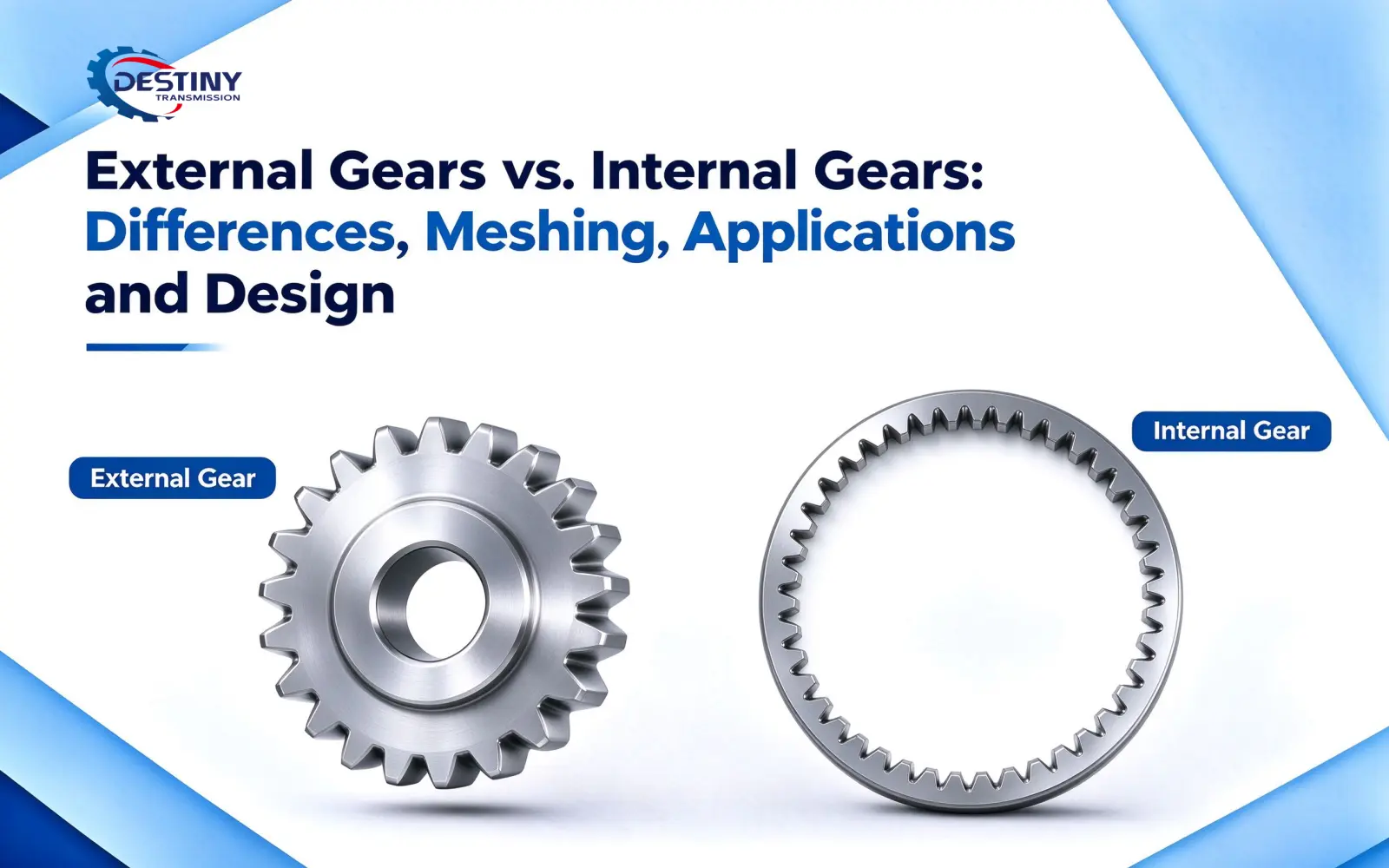
External Gears vs. Internal Gears: Differences, Meshing, Applications, and Design

External Gears vs. Internal Gears: Differences, Meshing, Applications, and Design

What is the difference between external and internal gears? This guide explains their structure, meshing method, and rotation direction, and compares tooth relationships, center distance, tooth profile, interference, manufacturing, and typical applications. It also covers the role of internal gears in planetary gear systems and key factors for choosing between external and internal gears based on transmission layout, space, load, speed, and accuracy.

Read More
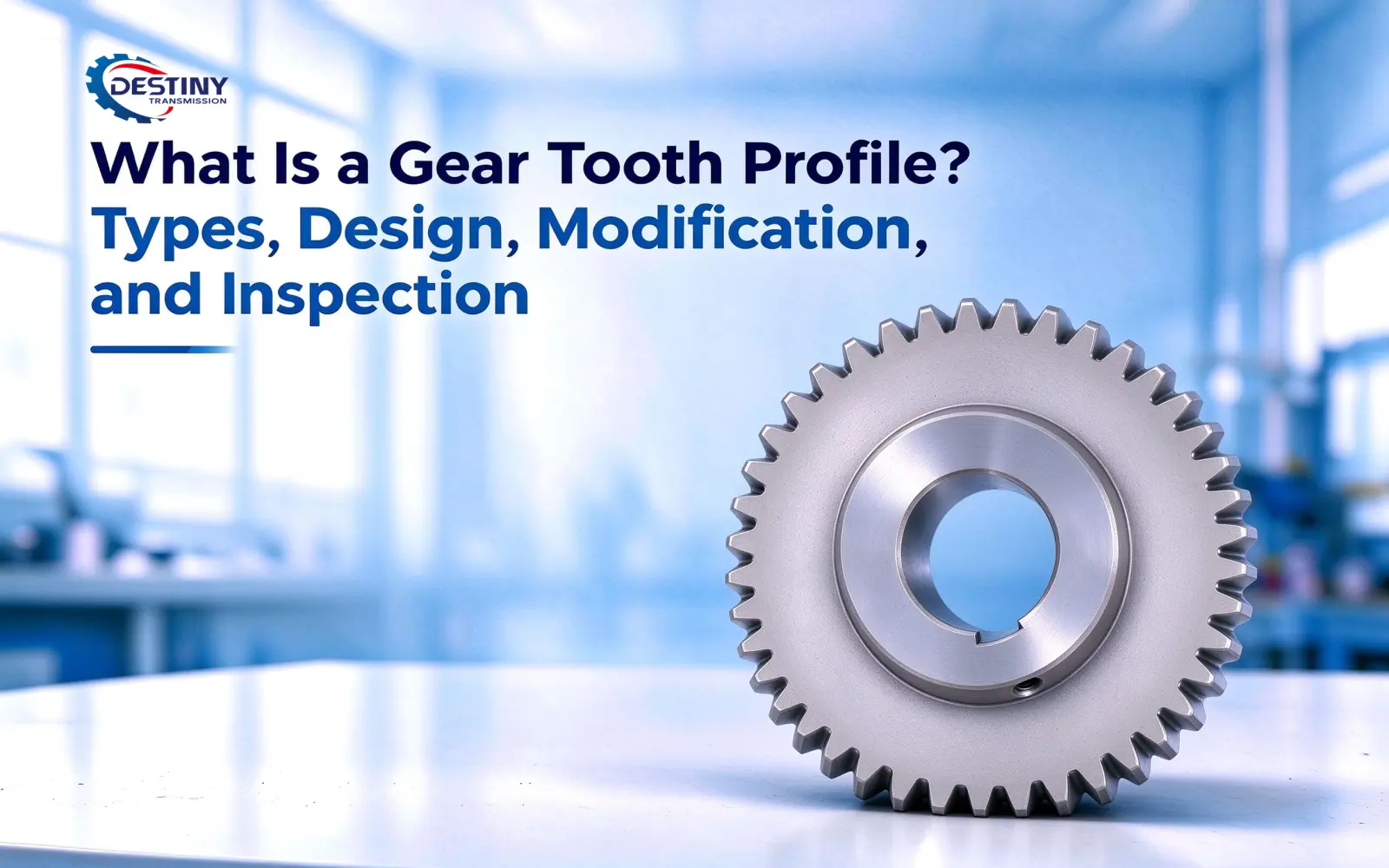
What Is a Gear Tooth Profile? Types, Design, Modification, and Inspection

What Is a Gear Tooth Profile? Types, Design, Modification, and Inspection

What is a gear tooth profile? This guide explains the definition, common types, and involute profile of gear tooth profiles, covering key parameters such as module, pressure angle, tooth number, tooth thickness, backlash, and contact ratio. It also covers profile modification, tooth profile inspection, and how gear type, operating conditions, and accuracy requirements affect tooth profile selection.

Read More
What Are Spur Gears? A Complete Guide to Design, Selection and Applications

What Are Spur Gears? A Complete Guide to Design, Selection and Applications

Spur gears, fully named spur cylindrical gears and also known as straight-cut gears, have tooth traces running perfectly parallel to the central axis. Designed to transmit rotational motion and torque between parallel shafts, they feature direct, discrete meshing action with a transmission efficiency of 95% to 99%, making them the most fundamental and well-established gear category in mechanical power transmission.

Read More