+86 184 3796 0706
 info@destinytrans.com


Introduction: Why Is Gear Service Life So Important?
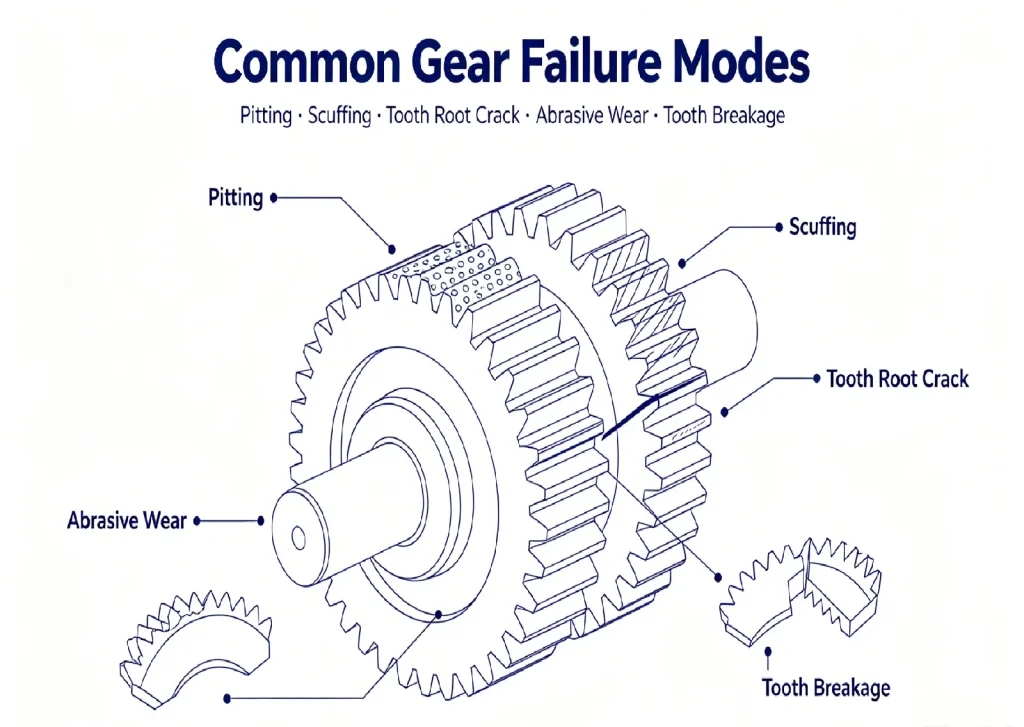
A gear may appear simple, but during operation it repeatedly withstands loads, friction, and cyclic stresses. As operating time increases, the tooth surfaces may experience wear, pitting, or scuffing, while fatigue cracks may develop at the tooth roots and, in severe cases, lead to tooth breakage.
Gear-related problems can affect not only the gear itself but also reduce transmission efficiency, increase noise and vibration, and even cause equipment downtime. Therefore, extending gear service life while maintaining stable operation is an important consideration during design, manufacturing, and maintenance.
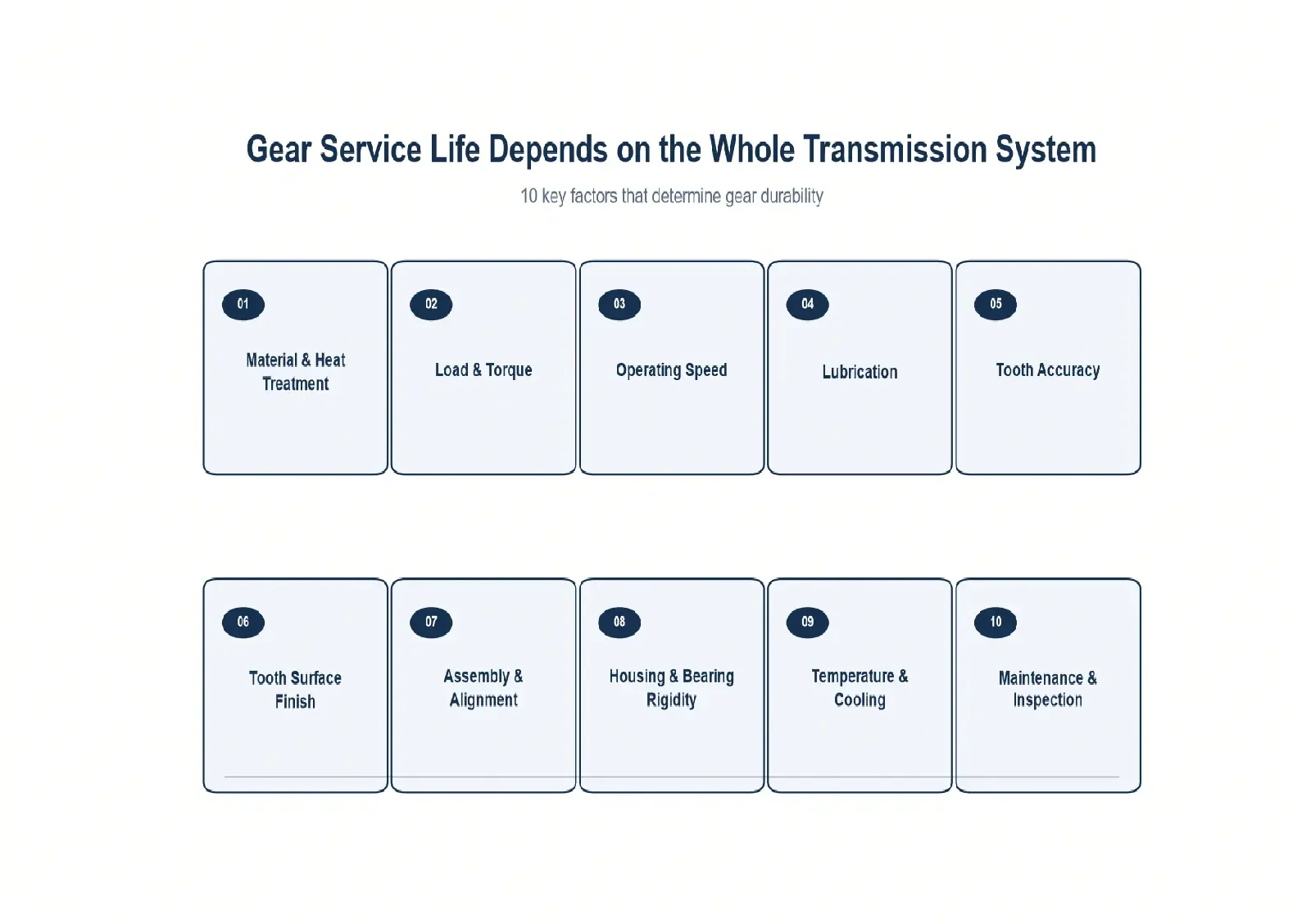
Improving gear service life is not simply a matter of increasing hardness. Gear life is influenced by the overall performance of the transmission system, so factors including material selection, gear design, heat treatment, machining, lubrication, installation, and operating conditions need to be properly matched.
1. Choose the Right Gear Material
Material is the foundation of a gear’s strength, toughness, and wear resistance, and different operating conditions require different material properties.
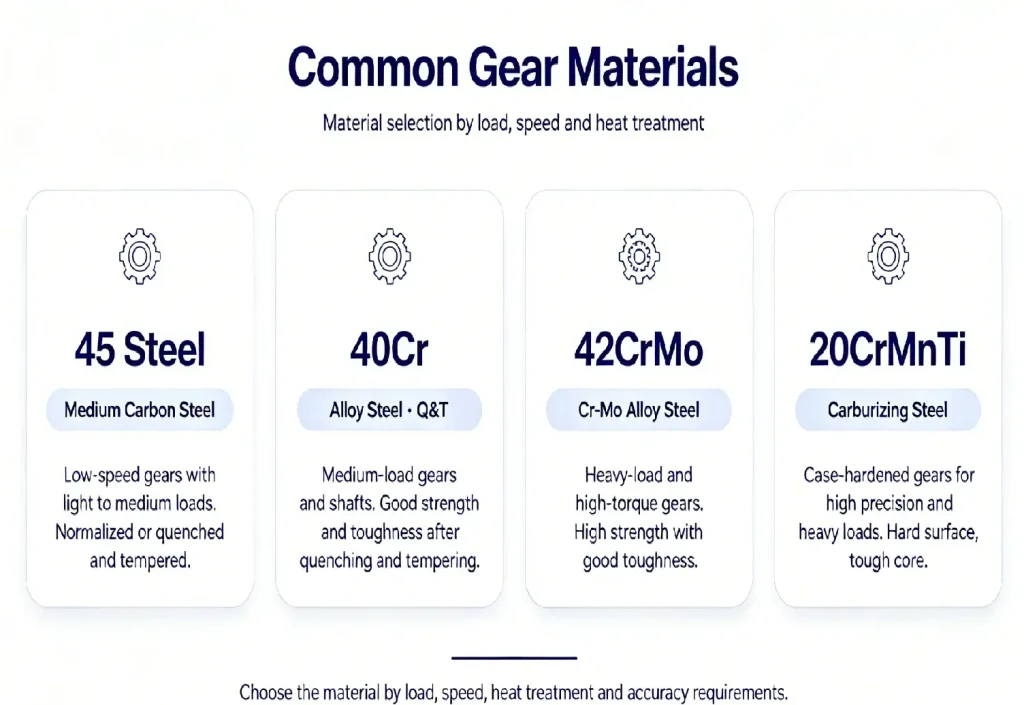
Common materials used for industrial gears include 45 steel, 40Cr, 42CrMo, and 20CrMnTi. 45 steel is generally suitable for conventional mechanical transmission and medium- to low-load applications. 40Cr offers good strength and hardenability and can be used for gears subjected to higher loads. 42CrMo provides higher strength and toughness, making it more suitable for high-load applications or conditions involving significant impact. 20CrMnTi is commonly used for carburized and hardened gears to achieve high tooth surface hardness while maintaining good core toughness, making it suitable for applications where surface wear resistance and core toughness are both important.
Therefore, material selection should be based on factors such as load, rotational speed, impact conditions, gear dimensions, and heat treatment requirements, while maintaining an appropriate balance among surface hardness, core toughness, strength, wear resistance, and cost.
2. Optimize Gear Design and Load-Carrying Capacity
The load a gear can withstand depends largely on its design. Parameters such as module, number of teeth, pressure angle, face width, tooth geometry, and contact ratio all affect load-carrying capacity and meshing performance. For spur and helical gears, ISO 6336 considers both tooth-root bending strength and tooth-surface contact strength, rather than evaluating load-carrying capacity from a single parameter.
During the design process, particular attention should be paid to tooth root bending strength and tooth surface contact strength under the expected operating load. If the stress remains above an appropriate level for an extended period, it may lead to tooth root fatigue or tooth surface damage, respectively. Actual load distribution and gear meshing conditions should also be considered. Proper tooth profile modification and lead modification can help reduce localized stress concentration and distribute the load more evenly across the tooth surface.
Increasing gear size does not necessarily result in a proportional increase in service life. If gear parameters, shaft system stiffness, and actual loads are not properly matched, localized load concentration may still occur. Therefore, the design should also account for actual operating conditions such as startup, braking, impact loads, and load variations, while providing an appropriate safety margin.For applications with specific load and transmission requirements, explore our custom gear products to find a suitable solution for your equipment.
3. Use an Appropriate Heat Treatment Process
Heat treatment determines how effectively the material can deliver the required gear properties. Depending on the material and operating conditions, processes such as carburizing, quenching, tempering, nitriding, and induction hardening can be used to improve tooth surface performance and overall mechanical properties.
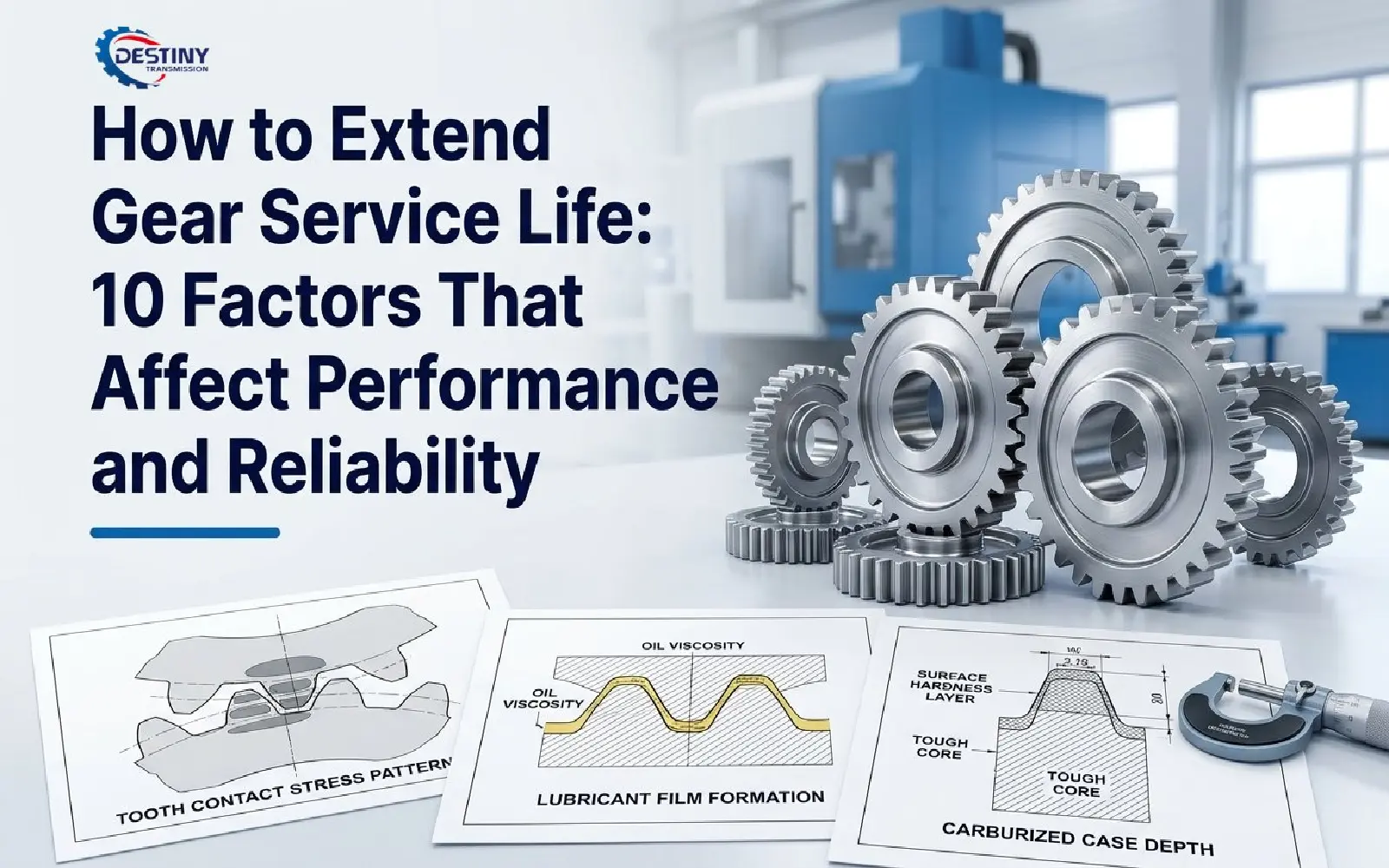
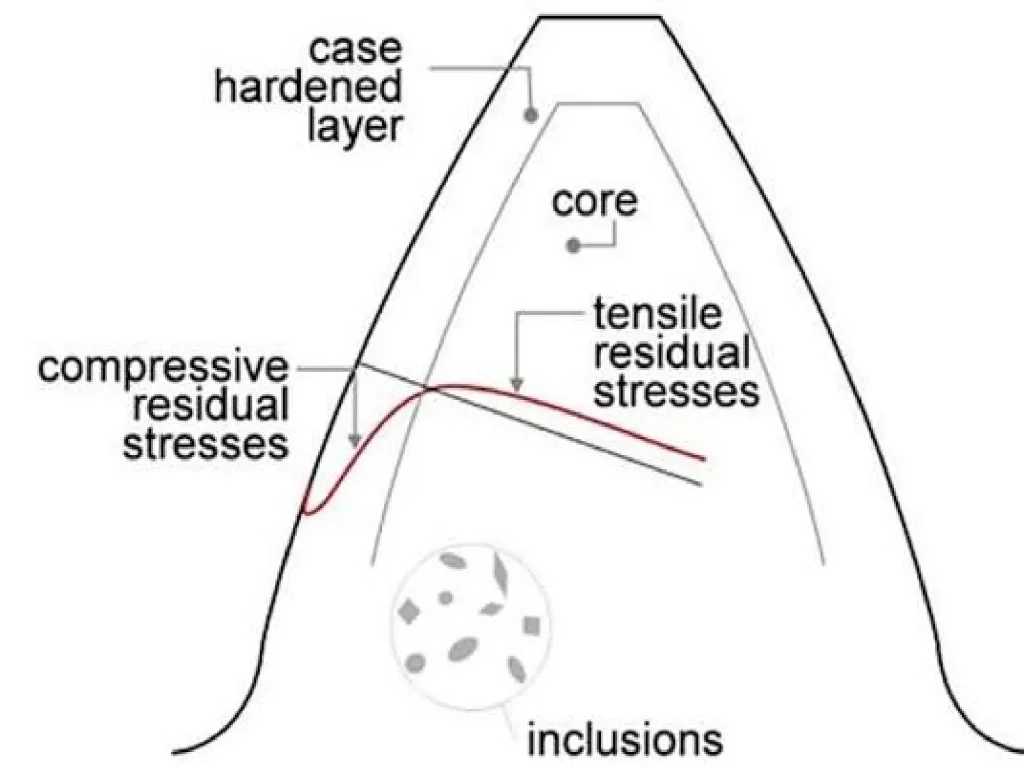
Gears must withstand both contact and friction at the tooth surface and repeated bending at the tooth root. Therefore, it is not enough to simply pursue high hardness. Instead, a reasonable balance should be maintained between tooth surface wear resistance and core toughness. For carburized and hardened gears, effective case depth is also important in addition to surface hardness, and it should be matched to the gear size and applied load rather than selected by hardness alone. If the case depth is not properly matched to the gear dimensions and applied loads, it may affect the load-supporting capacity of the tooth surface and the performance of the gear core.
In addition, heat treatment distortion, microstructural uniformity, and residual stresses can also affect gear quality. Excessive distortion may affect tooth profile, tooth lead, and meshing accuracy, while an improper microstructure or residual stress state may increase the risk of cracking and fatigue failure.
Therefore, higher hardness does not necessarily mean longer gear service life. Heat treatment quality should be evaluated based on hardness, case depth, microstructure, and final dimensional and geometric distortion.
4. Improve Gear Machining Accuracy
Machining accuracy directly affects the actual meshing condition of gears. Excessive tooth lead error may result in uneven load distribution across the face width, causing higher contact stress on localized areas of the tooth surface. Tooth profile error can increase meshing impact and operating noise. Therefore, machining accuracy affects not only whether the gear meets dimensional requirements but also its actual load distribution, tooth contact pattern, and meshing behavior during operation.
For gears with higher accuracy requirements, finishing processes are typically performed after tooth-cutting operations such as gear hobbing and gear shaping. Gear grinding can further correct tooth profile and lead errors while improving tooth surface quality. However, machining accuracy should be matched to the gear’s rotational speed, load, and application requirements rather than automatically targeting the highest available accuracy grade. There is generally no need to pursue unnecessarily high accuracy for gears used under ordinary medium- or low-load conditions.
5. Use the Right Lubrication Method and Lubricant
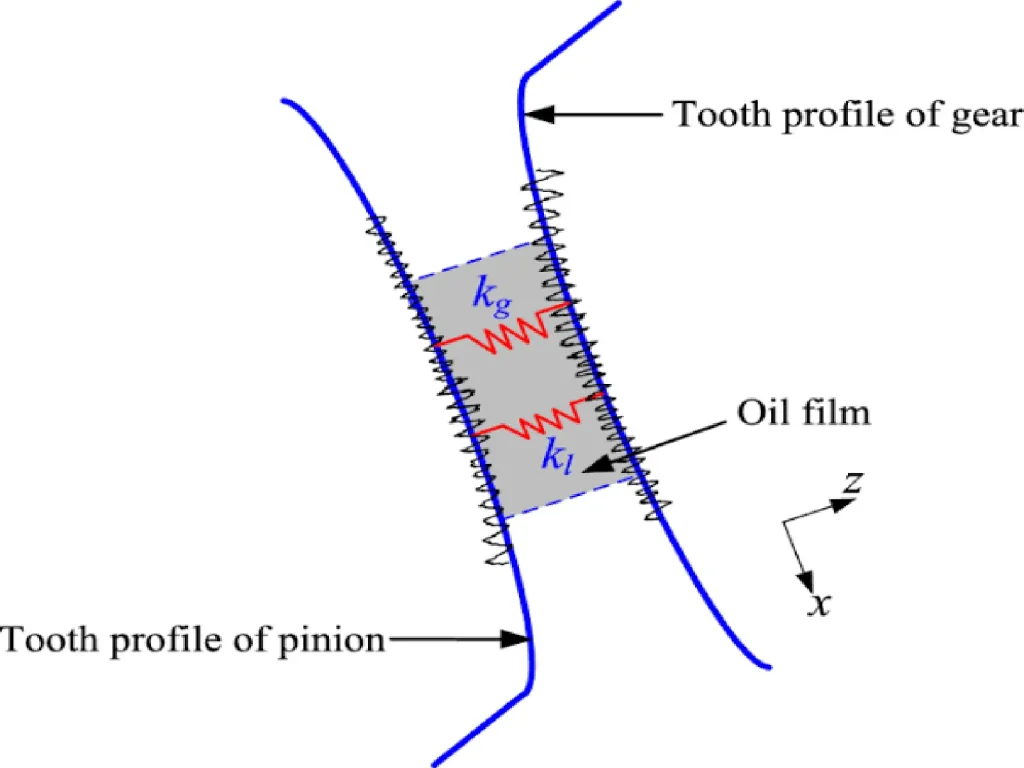
During operation, gear teeth remain in contact and move relative to each other. Proper lubrication reduces friction and direct metal-to-metal contact. It also limits tooth surface wear and helps maintain stable gear meshing.
Choose the lubrication method and lubricant based on the gear type, rotational speed, load, operating temperature, and environmental conditions. High-speed gears require careful attention to lubricant viscosity and oil supply. Industrial gearboxes may use viscosity grades such as ISO VG 150, 220, or 320, depending on load, speed, and operating temperature. Gearbox designs and working conditions vary, so the lubrication system must be selected accordingly.
The lubricant quantity also needs to be controlled. Insufficient lubricant increases friction and wear. Excessive lubricant may increase churning losses and temperature rise, especially at high speeds. Select a suitable lubrication method based on gear speed and design. This helps prevent unnecessary heat generation and energy losses.
6. Control Gear Operating Temperature
Gears generate a certain amount of heat during operation, especially under high-speed, heavy-load, or prolonged continuous-duty conditions, where temperature rise can become an important factor affecting operating performance.
Prolonged operation at elevated temperatures can accelerate lubricant degradation, reduce its protective performance, and further increase friction, wear, and seal deterioration. Therefore, gear systems operating at high speeds, under heavy loads, or continuously should have adequate heat dissipation and cooling conditions.
Changes in operating temperature can also serve as a useful indicator of potential problems. If a gear system shows a persistent temperature increase under otherwise similar load and rotational speed conditions, the lubrication system, bearings, gear meshing condition, and actual load should be further inspected.
7. Ensure Proper Installation and Correct Alignment
Even a gear manufactured to a high standard can experience reduced service life if it is not installed correctly.
Shaft misalignment can cause the tooth contact pattern to shift toward one side, concentrating the load in a localized area instead of distributing it evenly across the effective face width. The installation accuracy between the gear and shaft, bearing condition, and overall assembly stability can also affect proper gear meshing.
Gear backlash should also be controlled appropriately according to the operating conditions. Insufficient backlash may cause the gears to mesh too tightly after thermal expansion, while excessive backlash can increase impact, noise, and transmission error.
8.Avoid Prolonged Overloading and Impact Loads
The load-carrying capacity of a gear is generally designed for specific operating conditions and expected loads. In actual operation, prolonged overloading, frequent starts and stops, or sudden load application can generate additional dynamic loads.
Prolonged overloading, particularly when the actual load repeatedly exceeds the design operating load, increases the stresses acting on both the tooth surface and tooth root, accelerating fatigue damage. Sudden starts, emergency stops, or rapid load changes may generate significant dynamic and impact loads, causing the instantaneous tooth surface contact stress and tooth root bending stress to become substantially higher than under steady-state operating conditions.
Therefore, gears should be operated within their design limits whenever possible. For construction machinery, mining machinery, and other equipment subject to significant impact loads, dynamic loading should also be carefully considered during the gear selection and design stages.
9. Keep the Gears and Lubrication System Clean
Dust, metal particles, moisture, and other contaminants entering the gearbox can disrupt proper lubrication and increase tooth surface wear.
Hard particles can cause scratching and abrasive wear, while moisture can affect lubricant performance and increase the risk of corrosion. For equipment operating in demanding environments, such as mining machinery, construction machinery, and agricultural machinery, particular attention should be paid to preventing contaminants from entering the lubrication system.
During routine maintenance, the gearbox sealing condition and lubricant cleanliness should be checked regularly. If significant metal particles, abnormal lubricant discoloration, or other unusual changes are found, the gears and related components should be inspected further, especially when these changes coincide with rising temperature or vibration.
10. Regularly Inspect and Maintain Gears
The purpose of regular inspection is to identify abnormalities at an early stage, rather than waiting until the gear has already suffered serious damage.
Gear failures often show early warning signs. A single abnormal signal does not necessarily indicate gear failure. A persistent change or the combination of multiple abnormal signals is generally more meaningful for diagnosis. When unusual noise, rising vibration, temperature changes, and lubricant contamination occur together, the need for further inspection becomes more significant. For example, periodic impact noise may be related to tooth surface damage, tooth profile errors, or localized meshing abnormalities. Increased vibration may also be caused by problems with the gears, bearings, or shaft misalignment. The presence of significant metal particles in the lubricant may indicate abnormal wear inside the gearbox. Therefore, actual diagnosis usually requires a combination of auditory inspection, vibration analysis, and oil sample analysis.
During inspection, gear condition can be evaluated by examining the tooth surfaces, operating noise, vibration, and lubricant condition. Common failure modes include wear, pitting, scuffing, and tooth root fatigue fracture. Wear is often associated with insufficient lubrication, contamination, or tooth surface condition. Pitting is closely related to contact stress and lubrication conditions. Scuffing often occurs under high loads, elevated temperatures, or inadequate lubricant film formation. Tooth root fatigue fracture is generally associated with cyclic bending stress, stress concentration, and prolonged overloading. Identifying the failure mode and tracing its underlying cause is more important than simply replacing the damaged gear.
A reasonable inspection and maintenance schedule should be established according to the equipment’s operating conditions, and any problems identified should be addressed promptly. This can help reduce unexpected failures and unplanned downtime.
Conclusion: Gear Service Life Depends on the Entire Transmission System
There is no single method for extending gear service life. Material selection, gear design, heat treatment, machining, lubrication, installation, and maintenance all need to be properly matched to actual operating conditions to improve long-term gear reliability.
For gear manufacturers, appropriate design, suitable materials, stable heat treatment, precision machining, and strict inspection should work together as part of a comprehensive quality control system. If you are looking for a gear manufacturing partner, contact us with your drawings or technical specifications to discuss your application requirements and explore a suitable gear solution.
FAQ
1. How Long Is the Typical Service Life of a Gear?
There is no fixed service life that applies to all gears and equipment. Actual service life depends on factors including material, design, heat treatment, machining accuracy, load, rotational speed, lubrication, installation, and working environment. Even gears with the same specifications may have significantly different service lives under different equipment and operating conditions.
2. Does Higher Gear Hardness Always Mean Longer Service Life?
Not necessarily. Higher tooth surface hardness generally helps improve wear resistance, but the gear must also have sufficient core toughness and fatigue resistance. Excessive hardness or improper heat treatment can instead increase the risk of brittle failure and cracking. Gear properties need to be properly balanced according to the specific operating conditions.
3. What Are the Most Common Causes of Premature Gear Failure?
Premature gear failure is usually not caused by a single factor. Prolonged overloading, insufficient lubrication, shaft misalignment, machining errors, improper heat treatment, and contamination of the lubrication system can all shorten gear service life. When abnormalities are identified, the underlying cause should be evaluated based on the actual operating conditions rather than simply replacing the damaged gear.
4. How Often Should Gear Oil Be Replaced?
There is no single replacement interval that applies to all gear systems. Lubricant service life depends on factors such as operating temperature, load, rotational speed, equipment operating hours, and contamination level. During maintenance, replacement intervals should be determined based on the equipment manufacturer’s recommendations and the actual condition of the lubricant. If significant contamination, metal particles, or other abnormal changes are found, the system should be inspected and appropriate action taken promptly.
5. Can a Gear Continue to Be Used After Minor Wear Appears?
It depends on the severity and cause of the wear. Slight and uniform normal wear does not necessarily mean that a gear needs to be replaced immediately. However, if there is abnormal pitting, cracking, significant localized wear, scuffing, or noticeable changes in tooth profile, the gear should be inspected promptly. Continuing to use a gear with serious defects may further affect the entire transmission system.
6. How Can You Determine Whether a Gear Needs to Be Replaced?
In addition to inspecting the tooth surfaces and tooth roots, gear condition can be evaluated based on abnormal noise, vibration, temperature rise, and lubricant condition. If the gear has obvious cracks, broken teeth, severe pitting, abnormal wear, or can no longer maintain proper meshing, further evaluation should be performed to determine whether replacement is necessary. For critical equipment, replacement decisions should preferably be supported by professional inspection results.