+86 184 3796 0706
 info@destinytrans.com


1. Why Has Custom Gear Manufacturing Become an Important Choice for Industrial Transmission Systems?
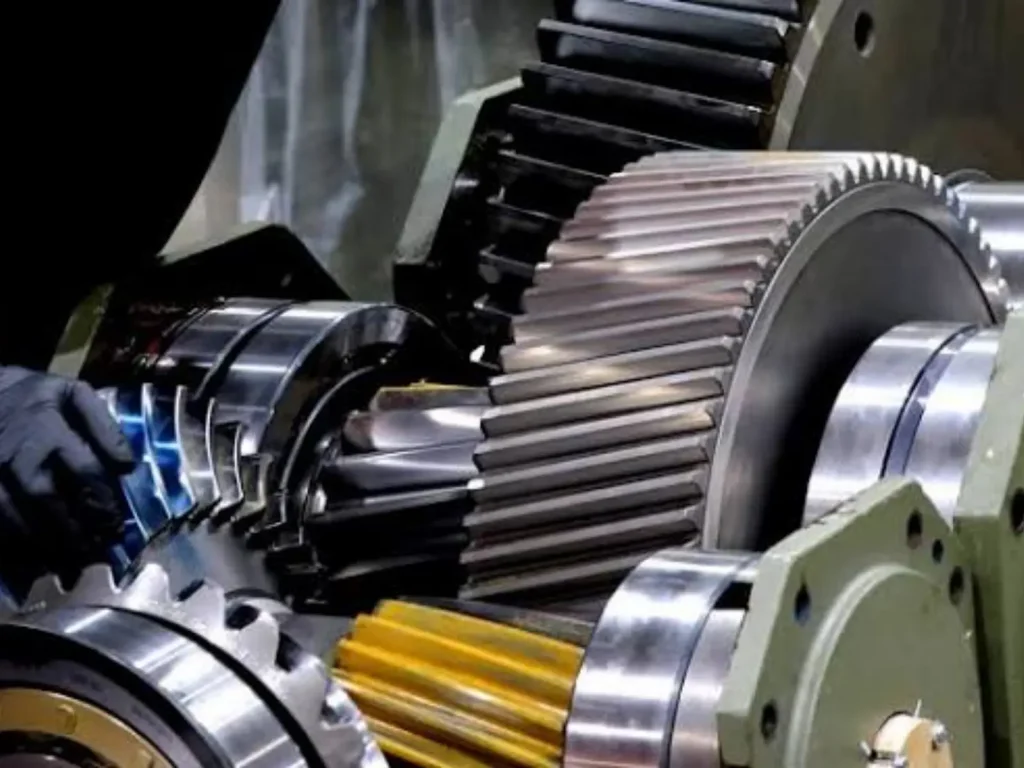
As industrial equipment develops toward higher efficiency and precision, custom gear manufacturing is becoming increasingly important for specialized transmission systems. Standard gears may not meet every requirement, especially when equipment operates under specific loads, speeds, or working conditions.
Custom gear manufacturing allows gears to be designed and produced for specific equipment requirements. These requirements may include load conditions, operating speed, installation space, and working environment.
Compared with standard gears, custom gears allow manufacturers to adjust key parameters. These include number of teeth, module, pressure angle, gear width, mounting structure, material selection, and heat treatment processes. Such adjustments can improve compatibility with the transmission system.
Today, custom gears are used in many industries. Common examples include industrial automation, engineering machinery, agricultural machinery, mining equipment, gear reducers, and robotics.
Mining equipment and heavy machinery often face high impact loads. In these applications, material strength, heat treatment performance, and tooth surface wear resistance are important. Automation equipment may place more emphasis on machining accuracy, operating noise, and transmission stability.
2. How Does a Custom Gear Manufacturing Project Usually Begin?
Many people assume custom gear manufacturing starts with a drawing. The factory then manufactures the gear based on that drawing. In practice, a custom gear project involves more than machining.
Before production begins, manufacturers need to understand the application requirements. They also need to evaluate the design and its manufacturability. This helps ensure that the final gear meets both performance and production requirements.
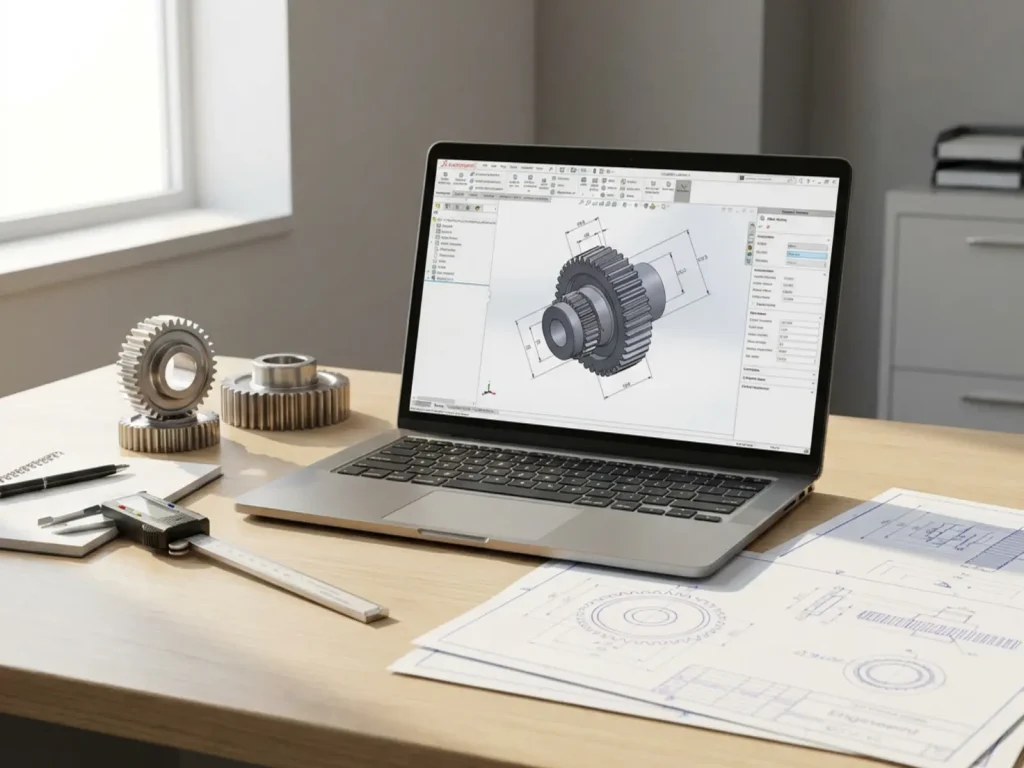
Customers typically provide product drawings (2D or 3D), samples, or relevant technical specifications. These materials may include gear dimensions, application equipment, operating conditions, material requirements, heat treatment requirements, and accuracy grades.
Some projects do not have complete drawings. In such cases, manufacturers can measure and analyze existing samples or components. They may also review equipment parameters and use manufacturing experience to complete the technical information.
After receiving the requirements, the engineering team usually performs a Design for Manufacturability (DFM) analysis. The analysis covers product structure, machining difficulty, material selection, and manufacturing processes.
For complex gears, engineers may review machining methods and material utilization. They may also evaluate whether the structure can be manufactured efficiently. This can improve production feasibility and help control manufacturing costs.
Therefore, the role of a professional gear manufacturer is not limited to “manufacturing according to drawings.” Engineering support can also help customers develop a more practical manufacturing process.
3. What Is Involved in the Custom Gear Manufacturing Process?
After requirement confirmation and engineering evaluation, the product enters the manufacturing stage.
Unlike standard gears, custom gear manufacturing requires a production plan based on the equipment and application. The plan should reflect load conditions, structural characteristics, and performance requirements.
Material Selection and Gear Machining
The first step is material selection. Manufacturers consider factors such as load conditions, rotational speed, and operating environment.
After material selection, the gear blank is prepared. The appropriate machining method is then selected for the gear type and required accuracy.
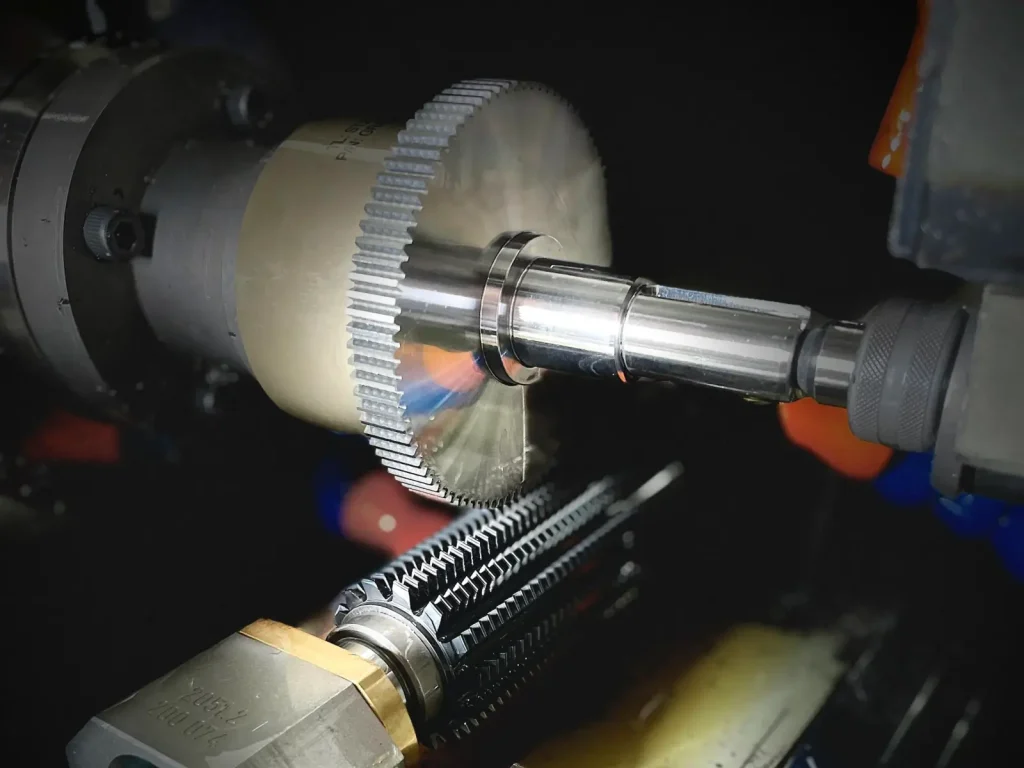
Typical methods include gear hobbing, gear shaping, and gear grinding. The selected process depends on the gear structure, accuracy grade, and production requirements.
These processes help achieve the required tooth profile and dimensional accuracy. They also support proper gear meshing during operation.
Heat Treatment and Precision Gear Finishing
High-load or high-precision gears may require additional heat treatment. Common processes include carburizing, quenching, and tempering.
After heat treatment, precision finishing may be required. Typical processes include gear grinding and gear honing.
These processes can improve tooth surface accuracy and wear resistance. They can also help achieve the required meshing performance.
Final Gear Inspection and Quality Verification
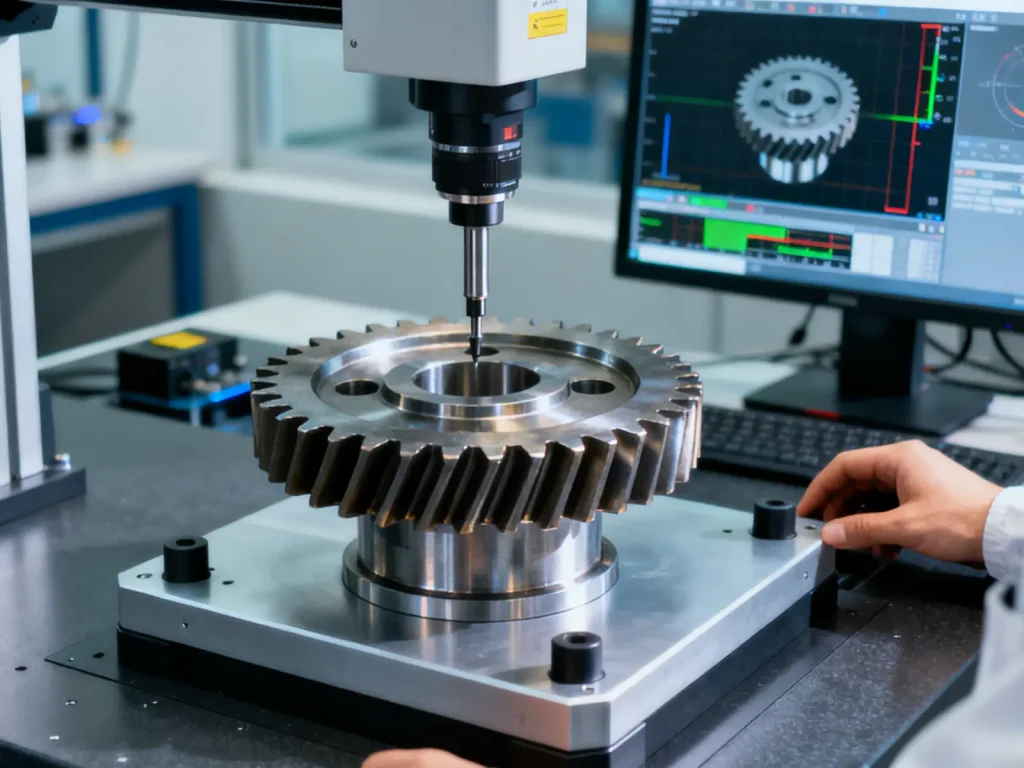
Finished gears undergo quality inspection before delivery. Common checks include dimensional inspection, gear accuracy inspection, and hardness testing.
Specialized measuring equipment may also be used. The inspection results are compared with drawing specifications and applicable technical requirements.
What Factors Affect Custom Gear Performance?
The performance of custom gears depends on more than the manufacturing process. Key factors include design optimization, material selection, manufacturing accuracy, and operating conditions.
A suitable design provides the foundation for stable gear operation. Gear parameters should match the equipment load, speed, installation space, and working environment.
Material selection and heat treatment processes directly affect strength, wear resistance, and fatigue performance. Different applications may require different materials and treatment methods.
At the same time, machining accuracy and quality control are critical. Accurate manufacturing supports proper tooth contact and stable transmission.
It can also help control vibration, noise, and wear during operation. The actual effect depends on the gear design and operating conditions.
4. What Are the Common Types of Custom Gears?
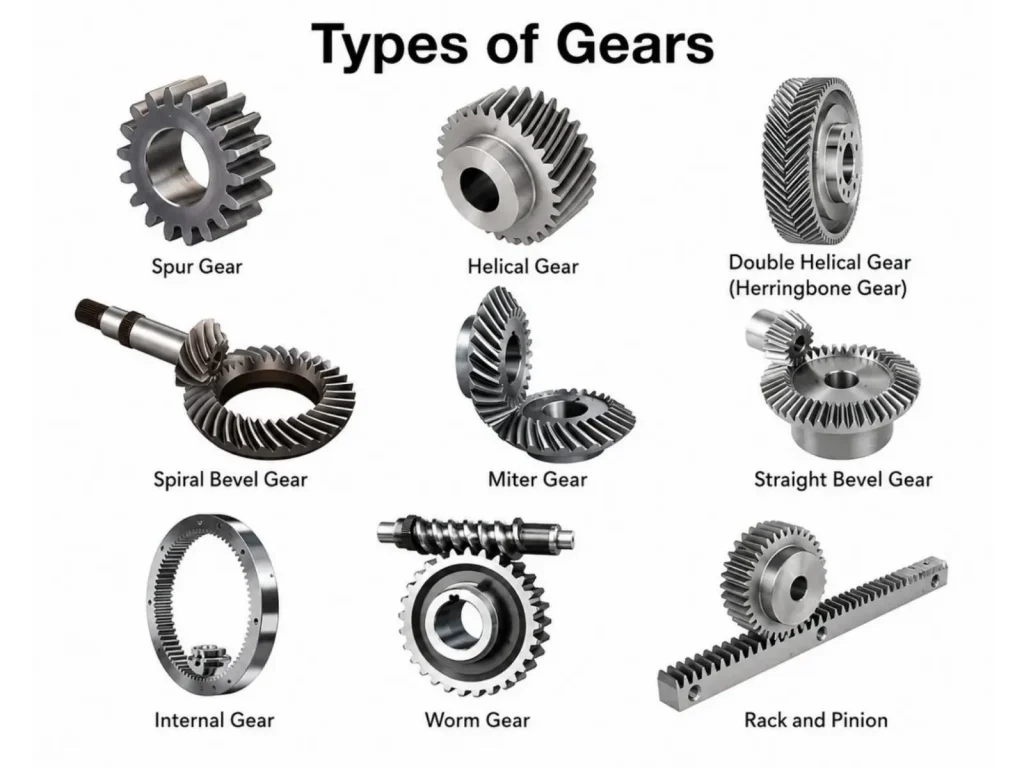
Different industrial machines use different transmission structures. As a result, there is no universal gear type for every application.
Manufacturers usually select the gear type according to installation space, load conditions, rotational speed, and operating environment.
Custom Spur Gears
Spur gears have a simple structure and are relatively efficient to machine. They are commonly used for power transmission between parallel shafts.
They remain one of the most common gear types in industrial equipment. Their application range covers many general transmission systems.
Custom Helical Gears
Helical gears provide smoother tooth engagement than spur gears. They can also help reduce operating noise.
They are commonly used in high-speed and high-load transmission systems. The exact performance depends on the gear design and operating conditions.
Custom Bevel Gears
Bevel gears are used for power transmission between intersecting shafts. They can change the direction of power transmission.
They are widely used in engineering machinery, automotive transmission systems, and industrial equipment.
Custom Worm Gears
Worm gears can provide high reduction ratios. Depending on the design, they may also provide self-locking characteristics.
They are often used in lifting equipment, conveyor systems, and reduction mechanisms. Selection should consider load, speed, efficiency, and operating conditions.
Custom Gear Shafts
Gear shafts combine the gear and shaft into one component. This structure can reduce the need for separate gear and shaft assembly.
These components require careful control of machining accuracy, concentricity, and overall strength. Their design must match the requirements of the complete transmission system.
Key Considerations for OEM Custom Gear Projects
For OEM custom gear projects, gear type selection should consider several factors. These include transmission direction, load capacity, operating speed, installation space, and cost requirements.
Material selection and heat treatment should also be evaluated. Accuracy grades and machining processes are equally important.
The final gear type should therefore be selected according to the complete application. Structure alone should not determine the choice.
5. How to Choose a Reliable Custom Gear Manufacturer?
Selecting a gear manufacturer affects more than product quality. It can also affect project delivery, supply stability, and long-term cooperation.
A supplier with broad manufacturing capabilities can provide support across multiple stages. These stages may include product review, machining, inspection, and production management.
Manufacturing capability is one of the key factors when evaluating a supplier. Manufacturers with CNC machining, gear hobbing, gear grinding, heat treatment, and precision inspection capabilities can control more production processes internally.
This may reduce quality variation caused by excessive outsourcing. It can also support more consistent production.
Custom Gear Engineering and Technical Support
Engineering support capability is another important factor. A professional manufacturer should be able to manufacture according to customer drawings.
The manufacturer may also review material selection, structural design, and machining processes. This support can help identify manufacturing issues before production begins.
Quality Management in Gear Manufacturing
A comprehensive quality management system is also important. Standardized inspection procedures help verify whether products meet technical requirements.
Consistent quality control also supports batch-to-batch production stability. Certifications such as ISO 9001 can provide additional information about a manufacturer’s quality management system.
International Support for Custom Gear Projects
For international projects, communication efficiency is also important. Buyers may need to consider project management, export experience, and documentation capabilities.
Instead of focusing only on quotations, buyers should evaluate manufacturing capability, technical support, and long-term supply capacity.
6. What Factors Affect Custom Gear Manufacturing Cost?
The cost of custom gears depends on multiple factors. Product size alone does not determine the final price.
Key factors include material properties, gear structure complexity, machining accuracy, heat treatment requirements, and order quantity.
High-precision gears may require additional processes. These can include gear grinding and precision inspection.
Complex gear structures may also require longer machining time. They may need specialized equipment or additional process controls.
How Order Quantity Affects Custom Gear Cost
Order quantity can have a significant effect on unit cost. Samples, small batches, and mass production have different production requirements.
Process planning and equipment utilization also vary by order size. For this reason, manufacturers usually need the quantity before preparing a detailed quotation and production plan.
Lower-cost options may involve different process or inspection requirements. However, long-term operating equipment also needs reliable gear performance.
For buyers, the goal is not simply to find the lowest price. It is important to balance product performance, manufacturing quality, and procurement cost.
7. Conclusion: Key Considerations for Custom Gear Manufacturing
Custom gear manufacturing is more than a machining process. It is a technical process that combines engineering design, material selection, precision manufacturing, and quality control.
The project may include requirement analysis, process evaluation, material selection, machining, heat treatment, and final inspection. Each stage can affect the final gear’s performance and reliability.
For industrial equipment that requires stable operation, manufacturer capability is an important consideration. Engineering support, manufacturing processes, and quality management can all affect project results.
A suitable supplier should be able to understand technical requirements and maintain consistent production. This is especially important for OEM projects and long-term supply programs.
For professional Custom Gear Manufacturing, buyers should review the manufacturer’s technical capabilities, production equipment, quality system, and relevant project experience.
FAQ
Q1. What is the difference between custom gear manufacturing and standard gear production?
Standard gears are manufactured according to fixed specifications. They are suitable for many general mechanical applications.
In contrast, custom gears are designed and manufactured according to specific operating conditions. Key parameters can be adjusted to meet different application requirements.
These parameters may include dimensions, tooth profiles, materials, heat treatment processes, and accuracy grades.
Custom gears can therefore support specific requirements for load capacity, transmission efficiency, and service life. They are often used in OEM equipment and specialized transmission systems.
Q2. What technical information is required before starting a custom gear project?
Customers typically provide product drawings (2D or 3D), samples, or relevant technical specifications.
Useful information may include gear dimensions, module, number of teeth, material, heat treatment, and accuracy grade.
Operating conditions are also important. These may include load, rotational speed, working environment, and installation requirements.
Projects without complete drawings can also be reviewed using samples or existing equipment parameters.
Q3. What factors affect the manufacturing lead time of custom gears?
Custom gear lead time depends on several factors. These include product structure complexity, material preparation, machining processes, heat treatment requirements, accuracy grades, and order quantity.
Gears that require grinding or high-precision inspection may need additional production time.
Special machining processes can also affect the schedule. Confirming technical requirements and delivery expectations early helps manufacturers plan production.
Q4. Can custom gears be produced in small batches?
Yes. Professional gear manufacturers may support prototype production, small-batch manufacturing, and mass production.
For new product development, sample production can help verify dimensions and assembly compatibility.
Testing can also identify issues before full-scale production. This can help reduce development risks and production changes.
Q5. Can gears be customized without complete drawings?
Projects without complete drawings can still be evaluated in many cases.
Manufacturers may measure and analyze customer-provided samples or existing components. Equipment parameters can also provide useful design information.
Engineering teams can then review the gear structure, material selection, and machining process. The final manufacturing plan should be based on the actual application requirements.