1. What Is a Triangular Spline Shaft?
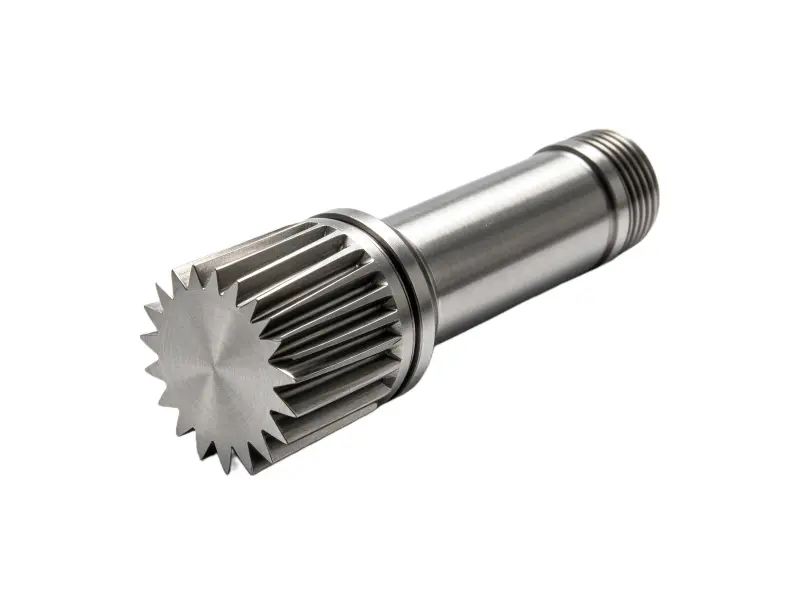
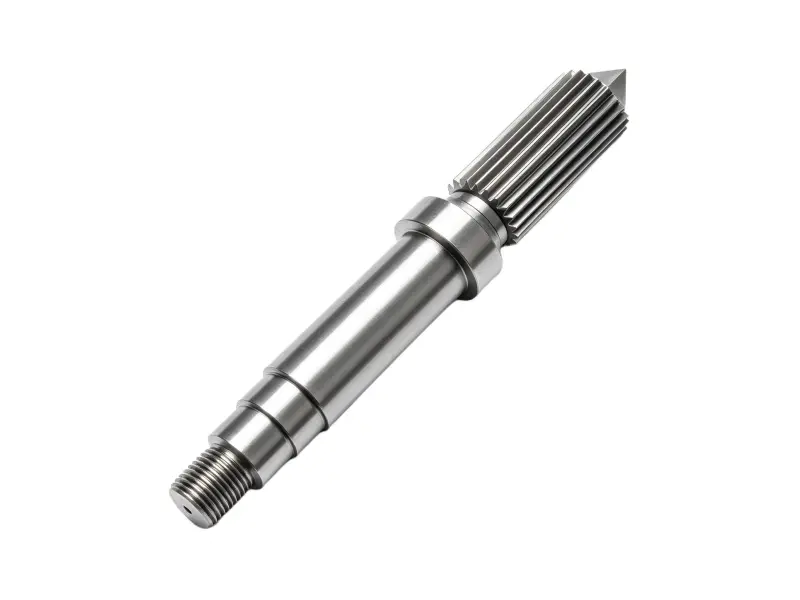
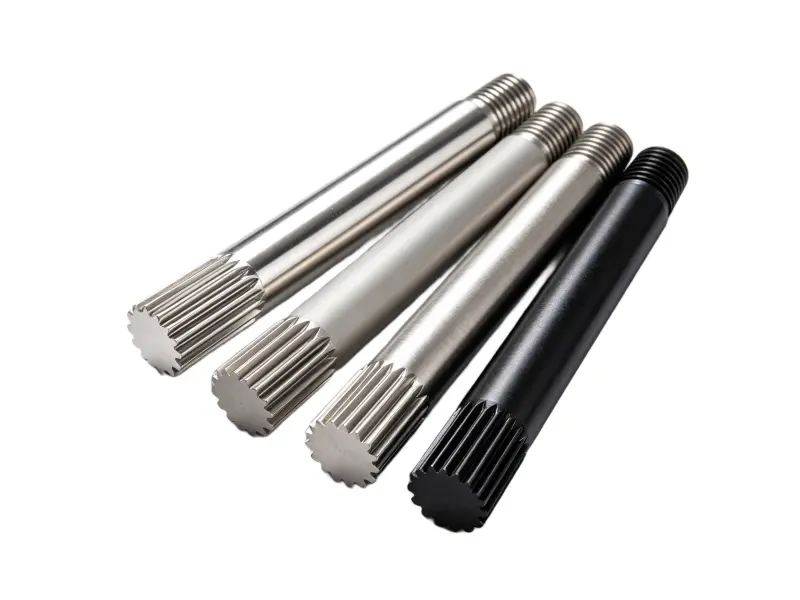
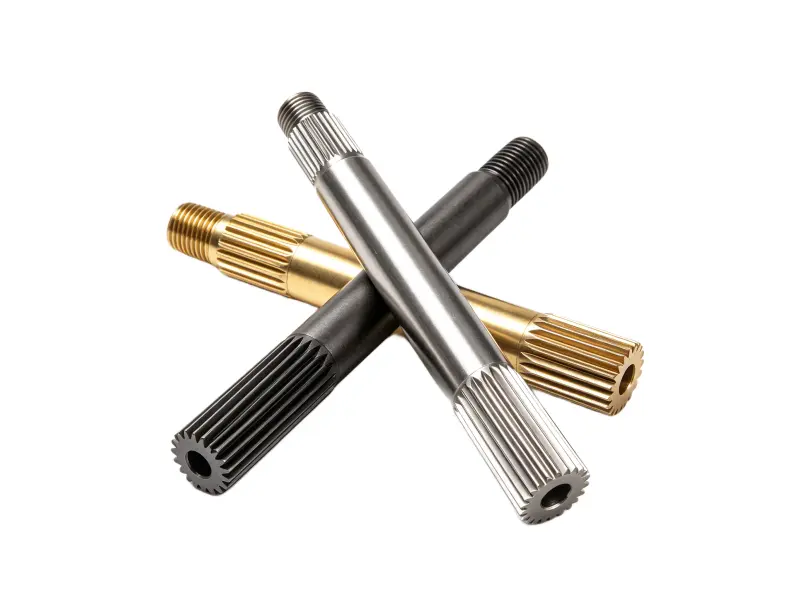
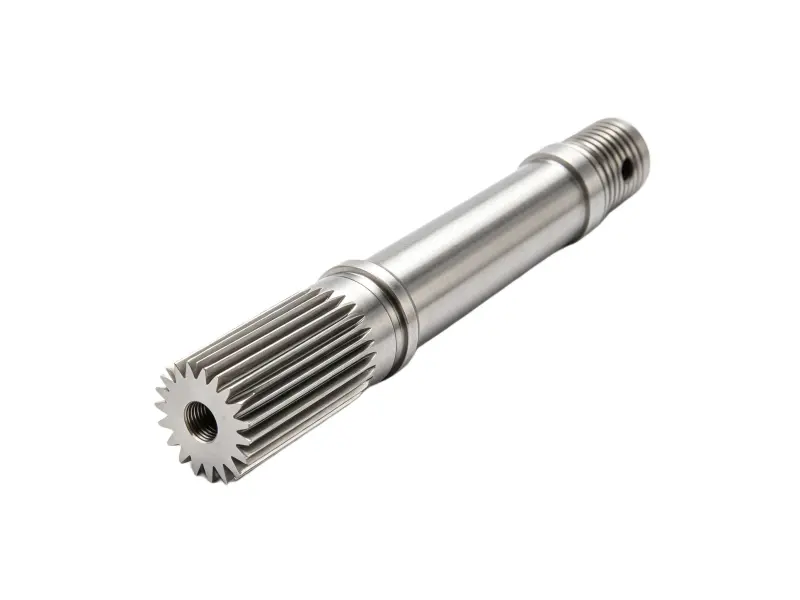
A triangular spline shaft is a power transmission shaft with triangular spline teeth machined around its outer circumference. It normally works with a matching triangular internal spline sleeve to form a spline pair. Multiple tooth flanks share the transmitted torque, providing a reliable connection. Depending on the application, the shaft can be designed for fixed connections or axial positioning.
Compared with conventional keyed shafts, triangular spline shafts use multiple teeth to distribute the transmitted load. This gives them a compact structure, stable fit, and reliable connection, making them suitable for medium-low-speed, medium-load transmission systems and applications where installation space is limited.
Depending on the equipment and operating conditions, tooth count, tooth profile dimensions, shaft diameter, spline length, fit tolerances, material, and heat treatment can be customized. They are suitable for agricultural machinery, construction equipment, automotive components, gear reducers, and industrial transmission systems.
2. Core Structure and Transmission Characteristics
2.1 Triangular Tooth Profile and Shaft Structure
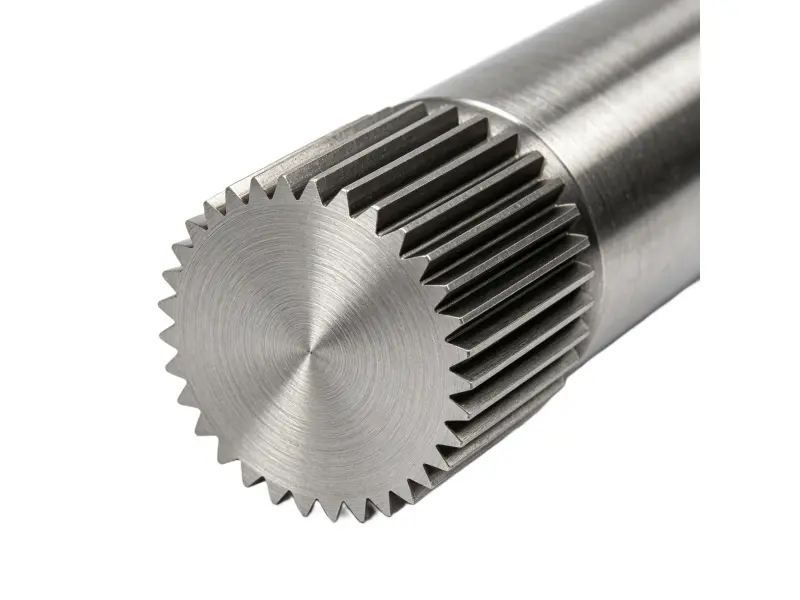
A triangular spline shaft mainly consists of the shaft body and spline section, with evenly distributed teeth around the outer circumference. The triangular tooth profile is designed according to the required spline specifications. Tooth count, tooth dimensions, shaft diameter, spline length, and fit tolerances can be controlled to match different internal spline sleeves and transmission requirements.
Compared with conventional keyed connections, triangular spline shafts distribute the transmitted load across multiple teeth. This helps reduce localized loading and provides a reliable shaft-to-hub connection within a compact radial space.
2.2 Spline Pair Transmission
A triangular spline shaft normally forms a spline pair with a matching internal spline sleeve. Torque is transmitted through tooth flank contact, while proper tooth geometry and fit design help improve centering and load distribution, resulting in a more stable connection.
Depending on the mating structure and operating requirements, the tooth profile and fit tolerances can be adjusted to provide reliable torque transmission and consistent engagement.
2.3 Load Capacity and Operating Characteristics
Triangular spline shafts provide good torsional strength, connection rigidity, and positioning performance. They are suitable for medium-low-speed and medium-load transmission applications.
Proper control of tooth geometry, fit clearance, material selection, and heat treatment can improve spline flank wear resistance, fatigue performance, and long-term operating stability.
2.4 Performance Characteristics and Application Suitability
Triangular spline shafts offer a simple structure, mature manufacturing processes, reliable power transmission, and convenient assembly and disassembly. They are commonly used in agricultural machinery, construction equipment, automotive components, gear reducers, and industrial transmission systems.
Depending on the operating conditions, spline dimensions, fit tolerances, materials, and heat treatment can be customized to meet specific transmission and connection requirements.
 +86 184 3796 0706
 info@destinytrans.com