1. What Is a Straight Bevel Gear?
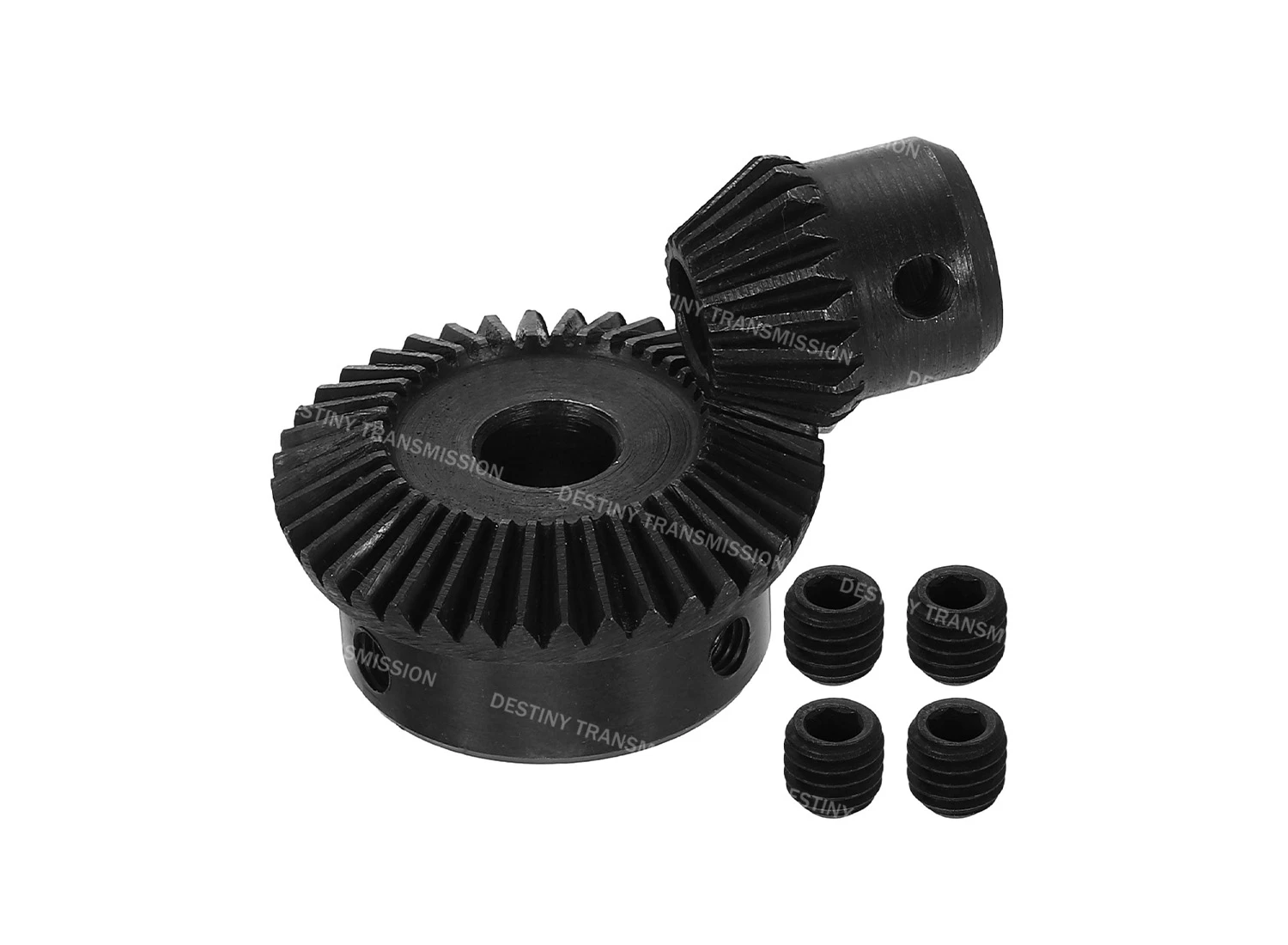
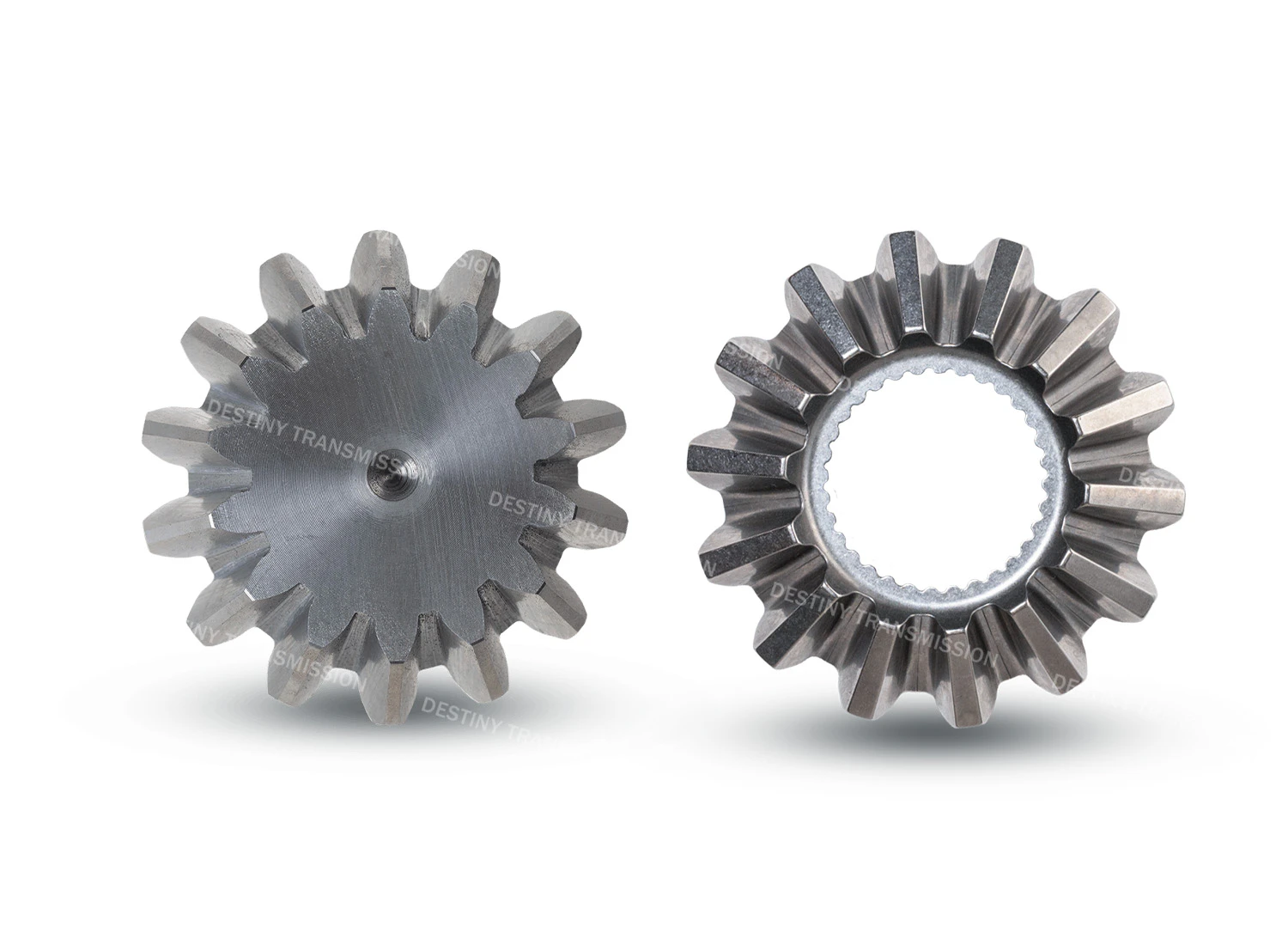
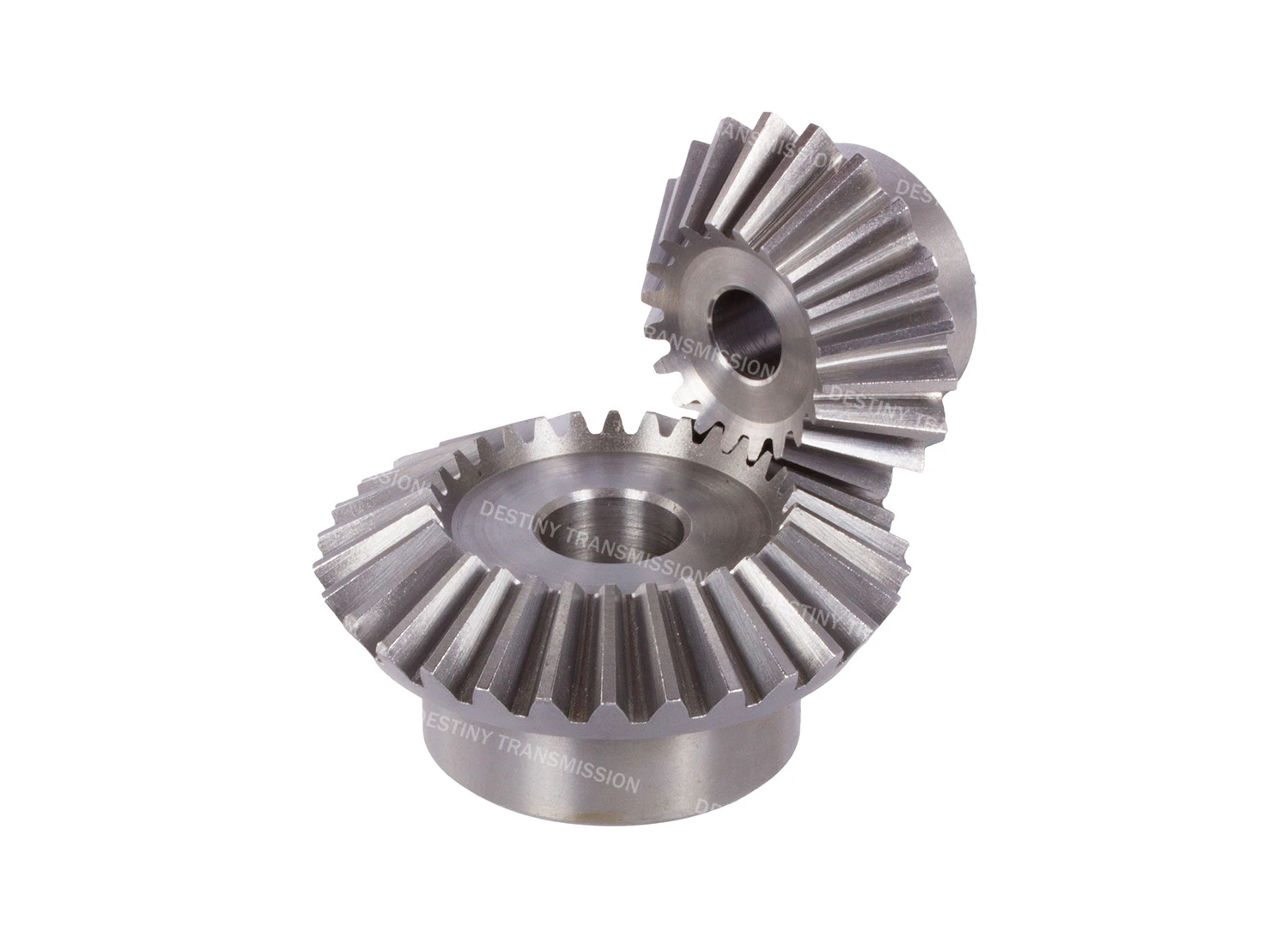
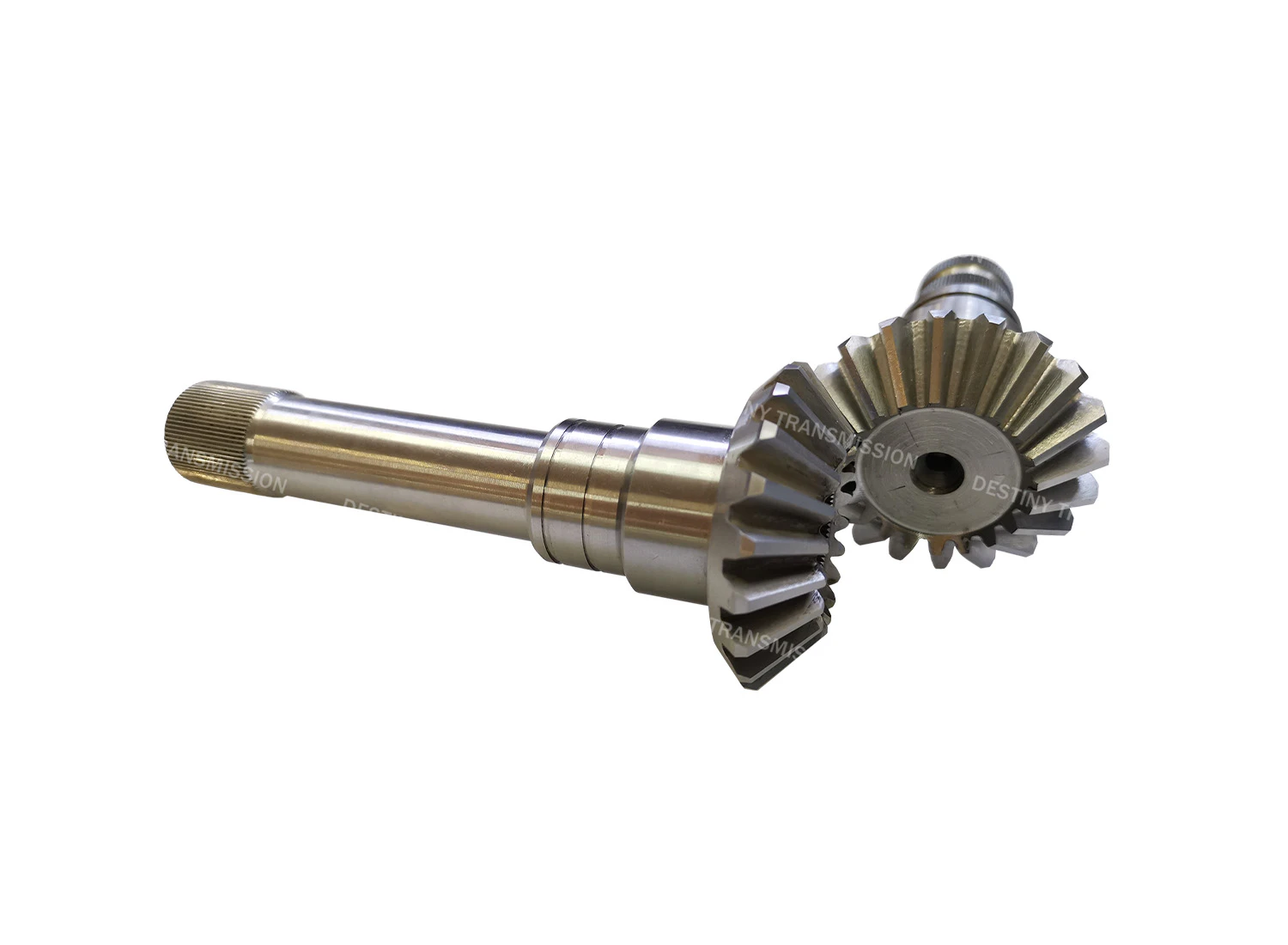
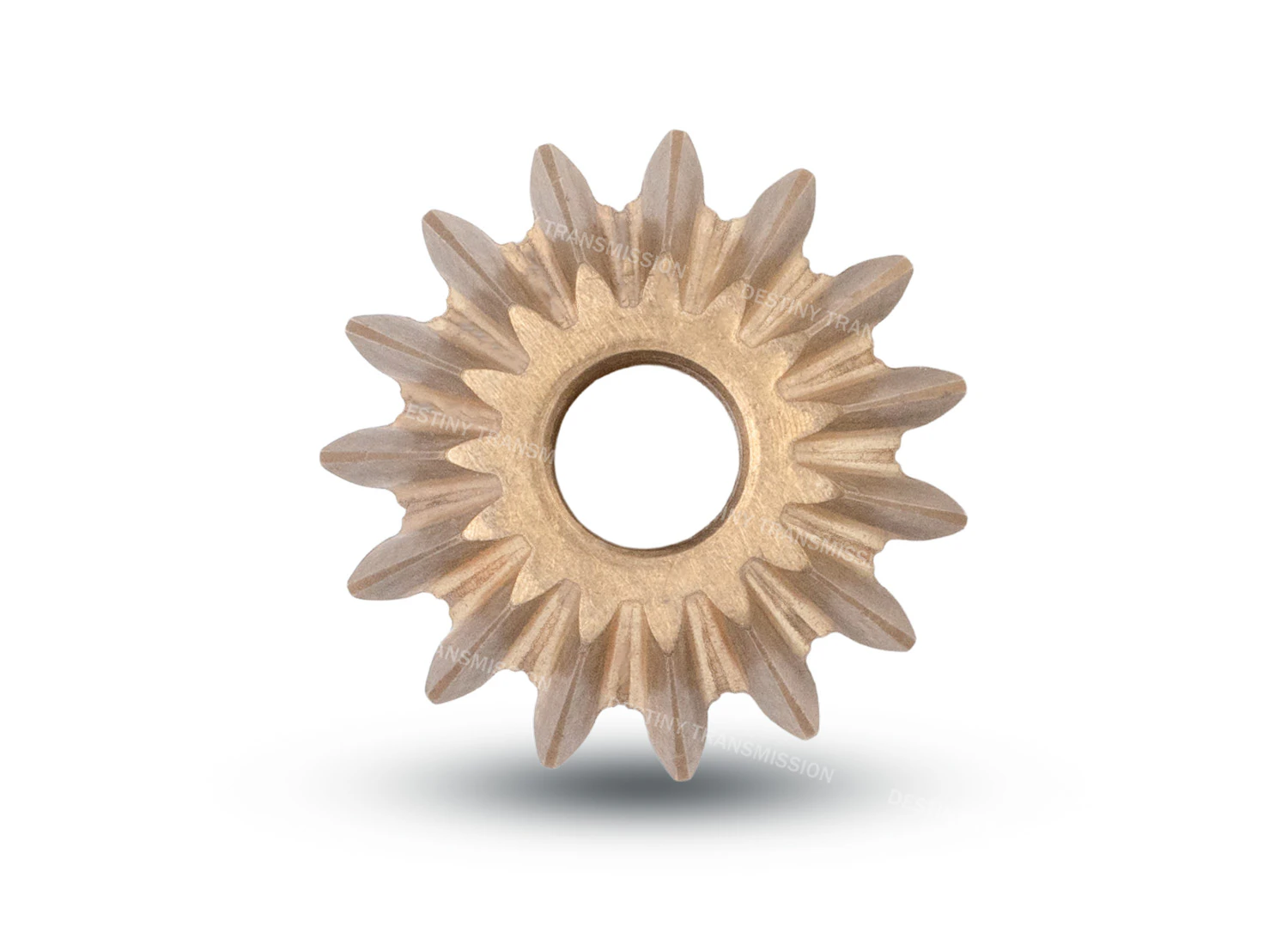
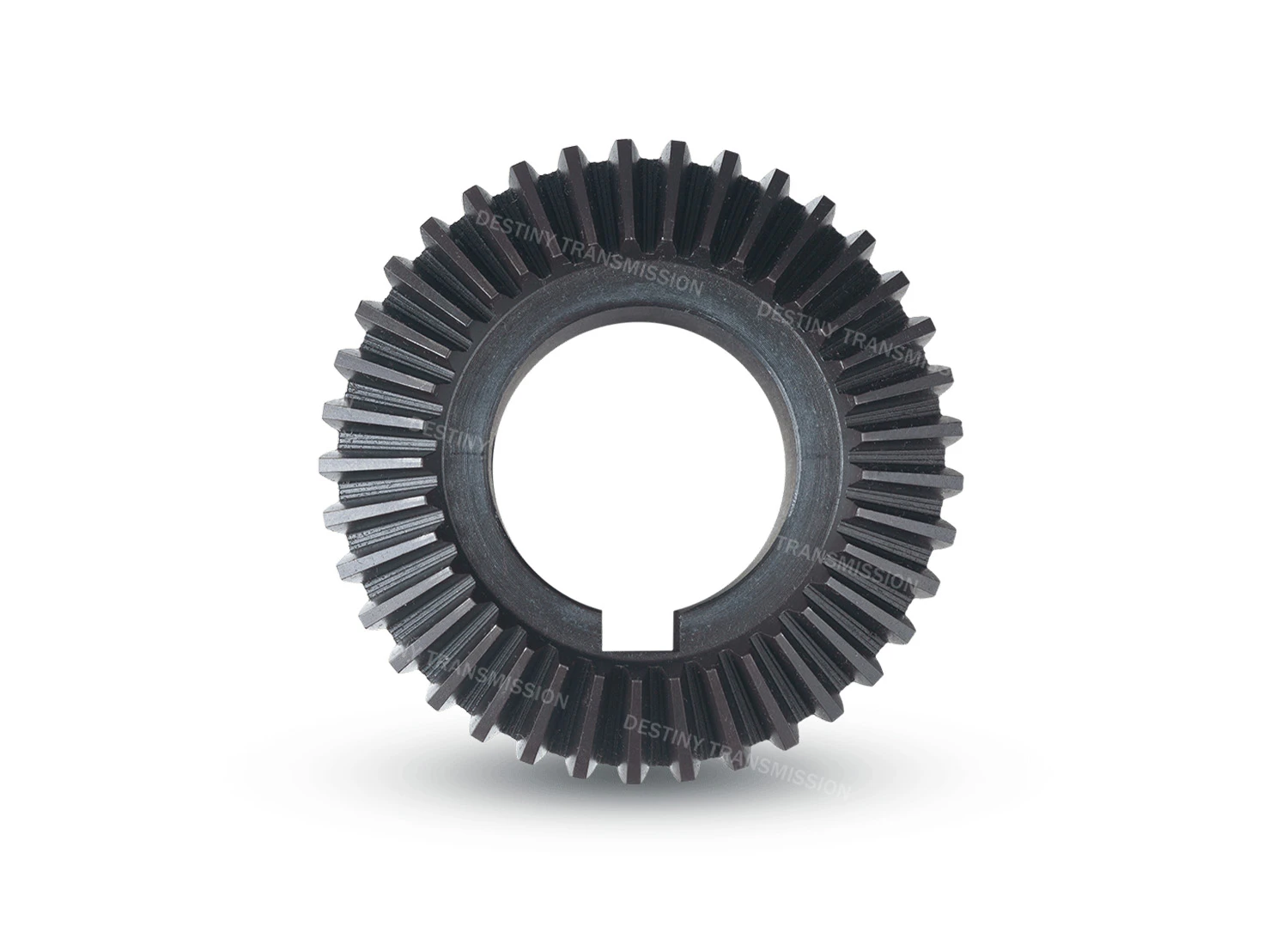
A Straight Bevel Gear is a bevel gear used to transmit power and motion between intersecting shafts, typically at a 90° shaft angle. Its teeth run straight along the generators of the pitch cone, allowing changes in transmission direction, speed, and torque.
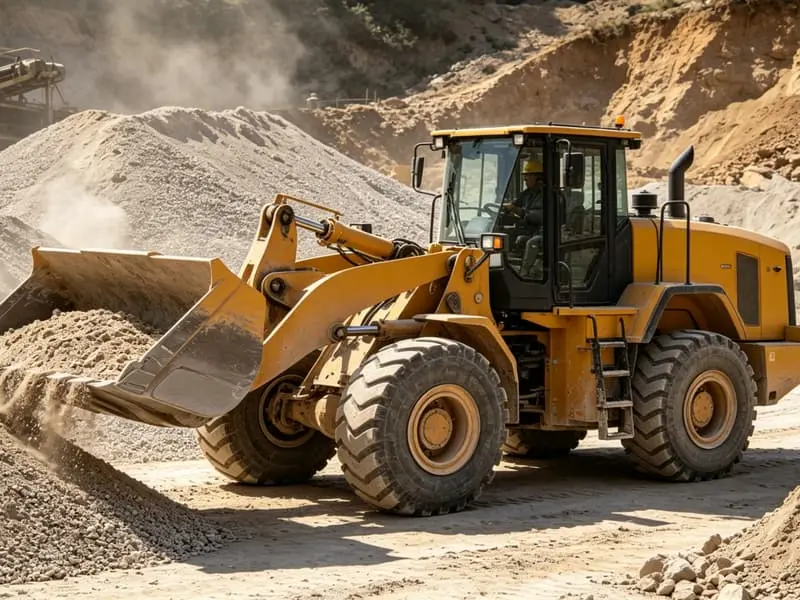
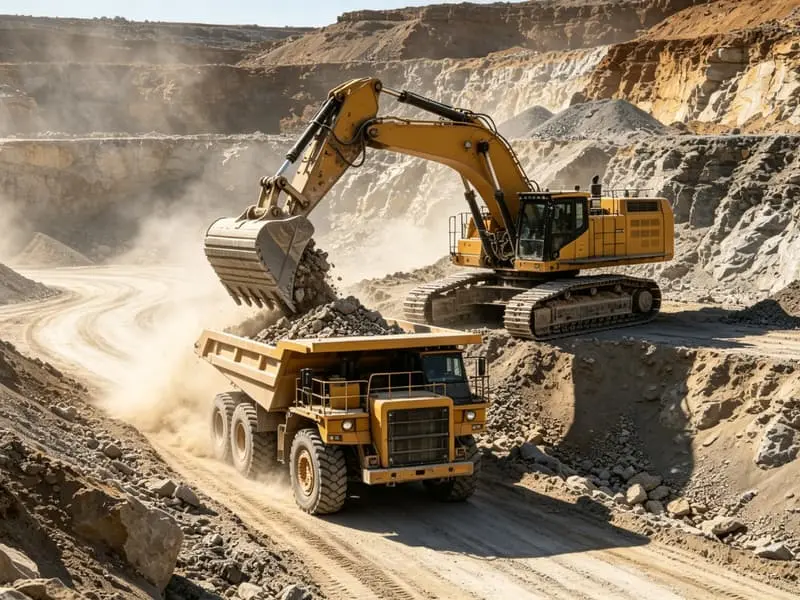
Compared with spiral bevel gears, straight bevel gears have a simpler structure, lower manufacturing cost, and higher production efficiency. They are mainly suited to medium-low-speed and medium-load applications and are widely used in agricultural machinery, construction machinery, machine tools, industrial equipment, and selected automotive transmission systems.
2. Core Structure and Transmission Characteristics
1. Tooth Geometry and Structural Design
The teeth extend from the large end to the small end along the generator of the pitch cone, forming the characteristic conical structure. Bevel gear pairs are designed according to the transmission ratio, shaft angle, and pitch cone angles.
Standard tooth geometry provides good interchangeability and convenient replacement. High-precision gears can be produced through precision shaping, broaching, or CNC gear grinding to improve tooth accuracy and meshing stability. Compared with spiral bevel gears, straight bevel gears are easier to manufacture and generally generate lower axial forces, reducing bearing and support requirements.
2. Bevel Gear Pair Meshing and Power Transmission
Straight bevel gears transmit power between intersecting shafts, typically at 90°, while converting speed and torque according to the gear ratio. Their teeth engage and disengage across the tooth width rather than through the continuous progressive engagement of spiral bevel gears, so meshing may be less smooth and produce more impact and noise.
They are therefore better suited to medium-low-speed applications without high-speed continuous or severe impact loads.
3. Transmission Efficiency and Manufacturing
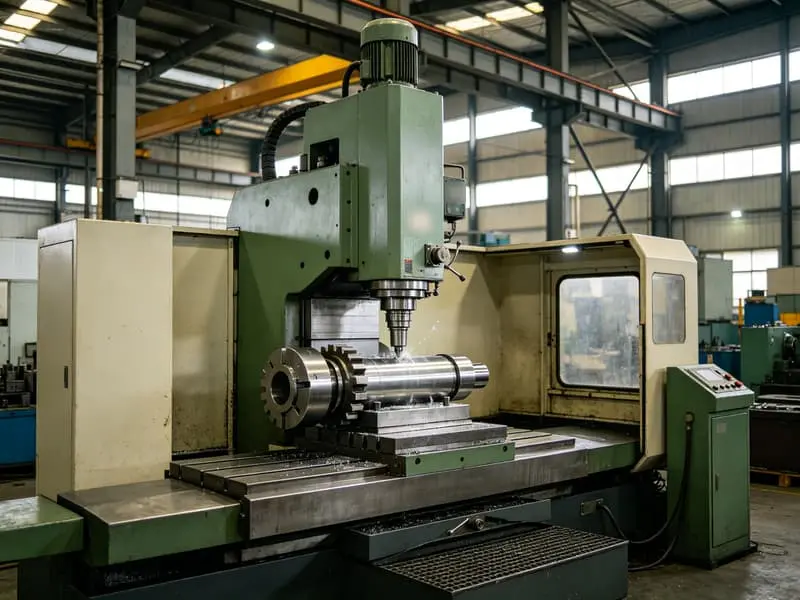
With proper design, installation, and lubrication, straight bevel gear drives can provide high transmission efficiency and stable, reliable operation. Common manufacturing processes include gear shaping, broaching, and CNC milling, while CNC gear grinding can further improve tooth geometry and surface finish for higher-precision applications.
Heat treatment processes such as quenching and tempering, induction hardening, and carburizing and hardening can improve tooth surface hardness, wear resistance, and load-carrying capacity.
4. Performance and Application Suitability
Straight bevel gears offer simple construction, cost-effective manufacturing, easy installation and maintenance, and relatively low axial forces. They are suitable for medium-low-speed, medium-load transmission systems where economy and reliability are important.
Compared with spiral bevel gears, they generally generate greater meshing impact and operating noise, making them less suitable for high-speed, high-precision, or heavy-duty continuous operation. They remain widely used in agricultural machinery, construction machinery, machine tools, and industrial equipment.
 +86 184 3796 0706
 info@destinytrans.com