Gear

Focusing on the design, manufacturing processes, heat treatment techniques, and key quality control points for all types of standard and non-standard gears.

Rectangular spline shaft

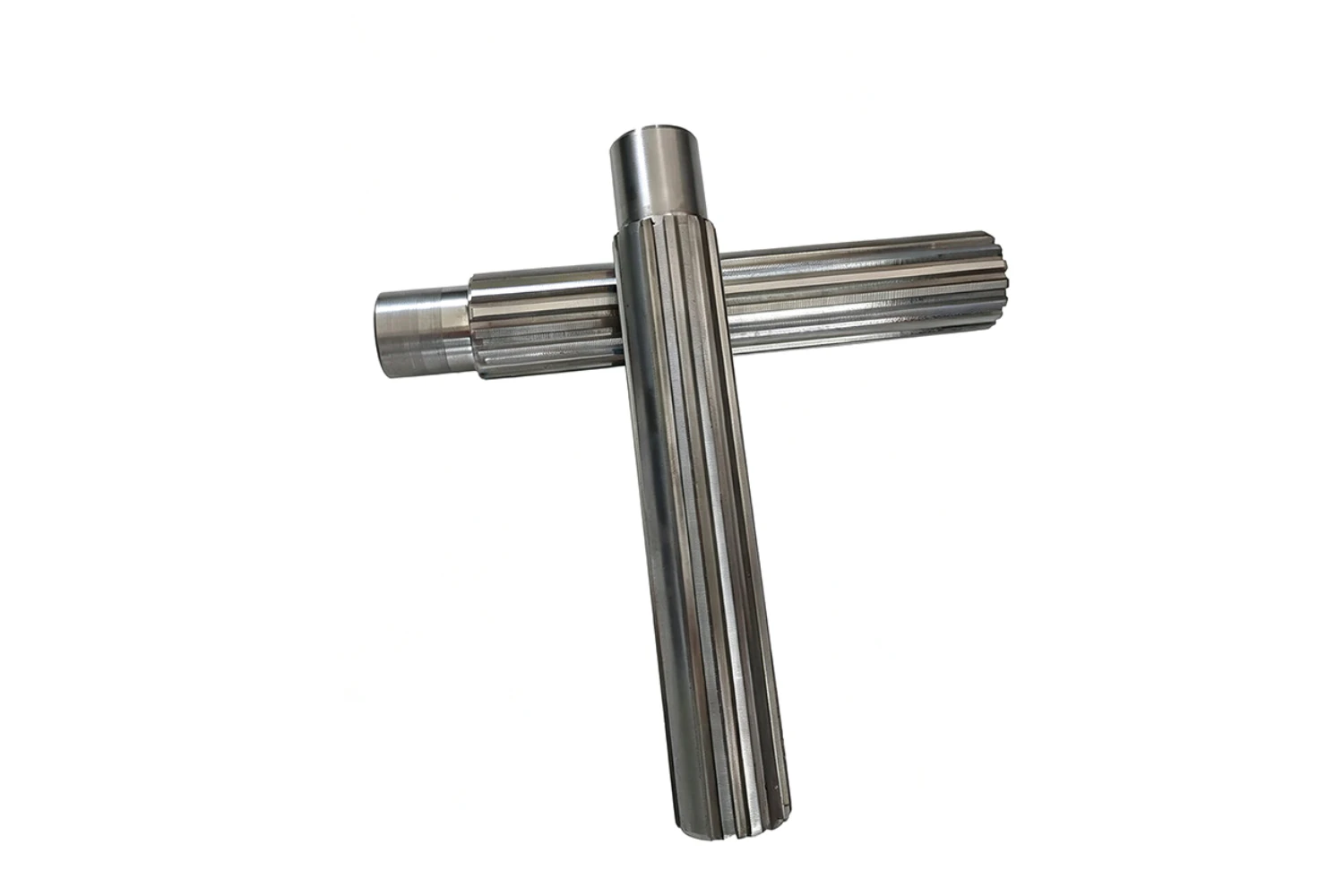
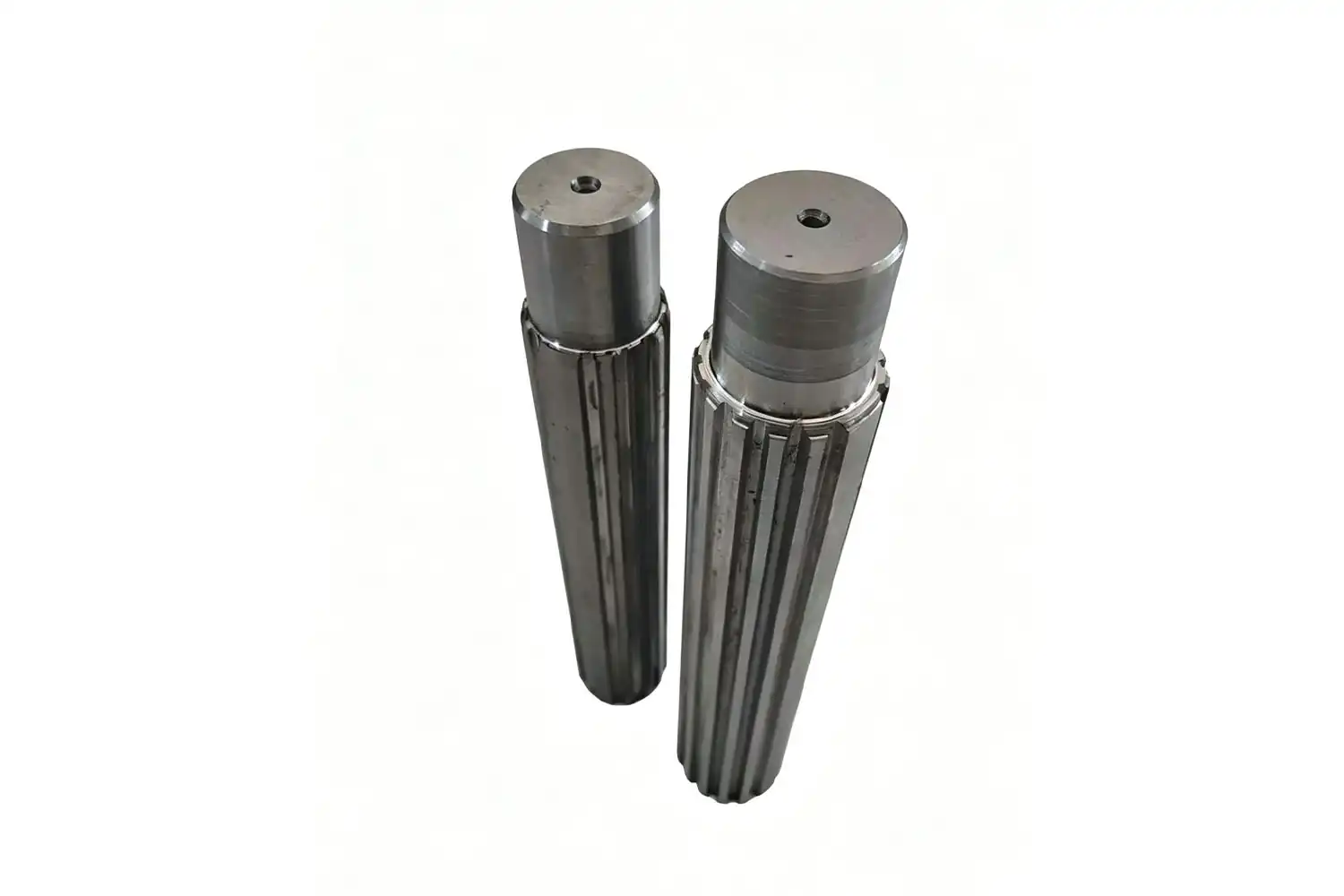
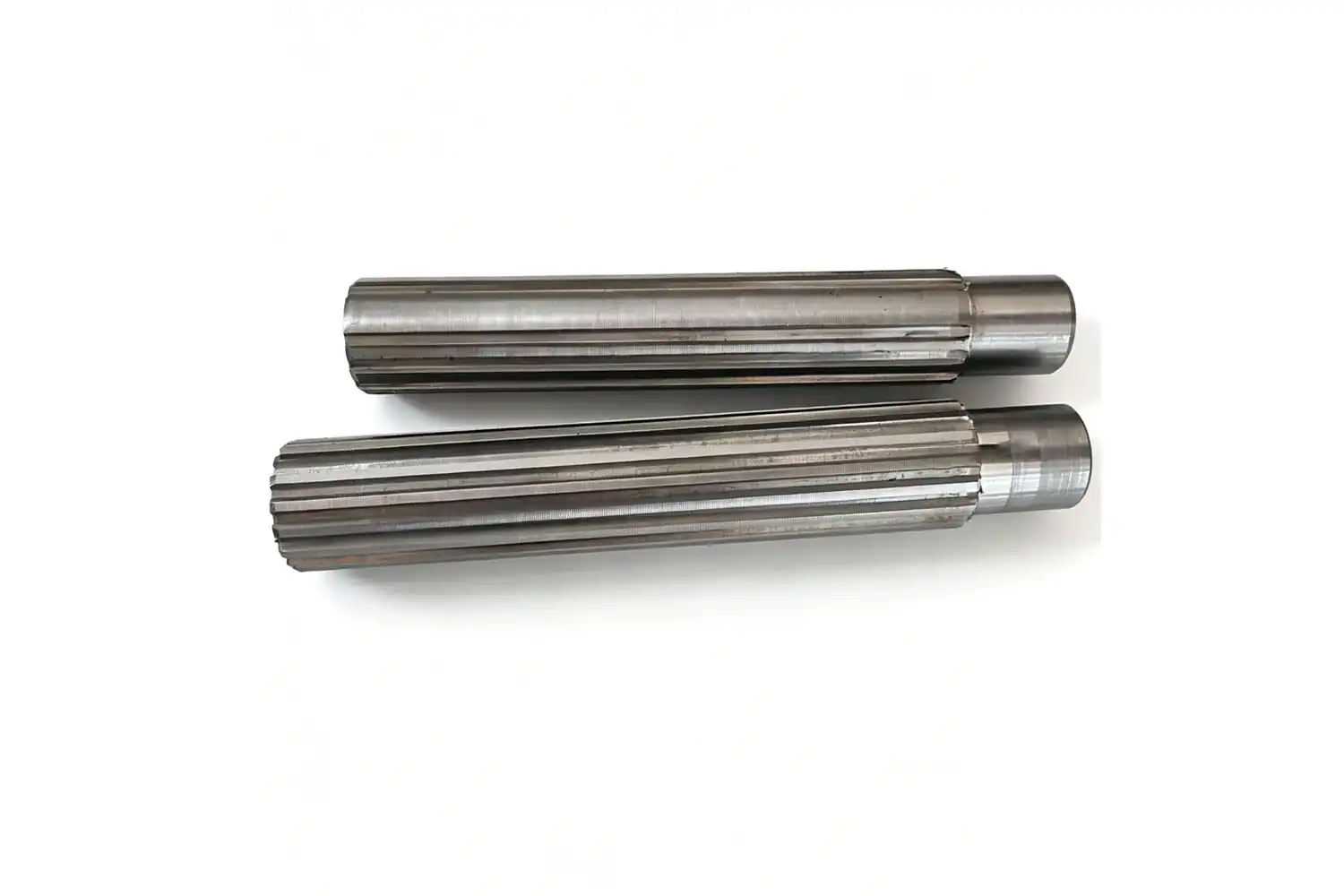
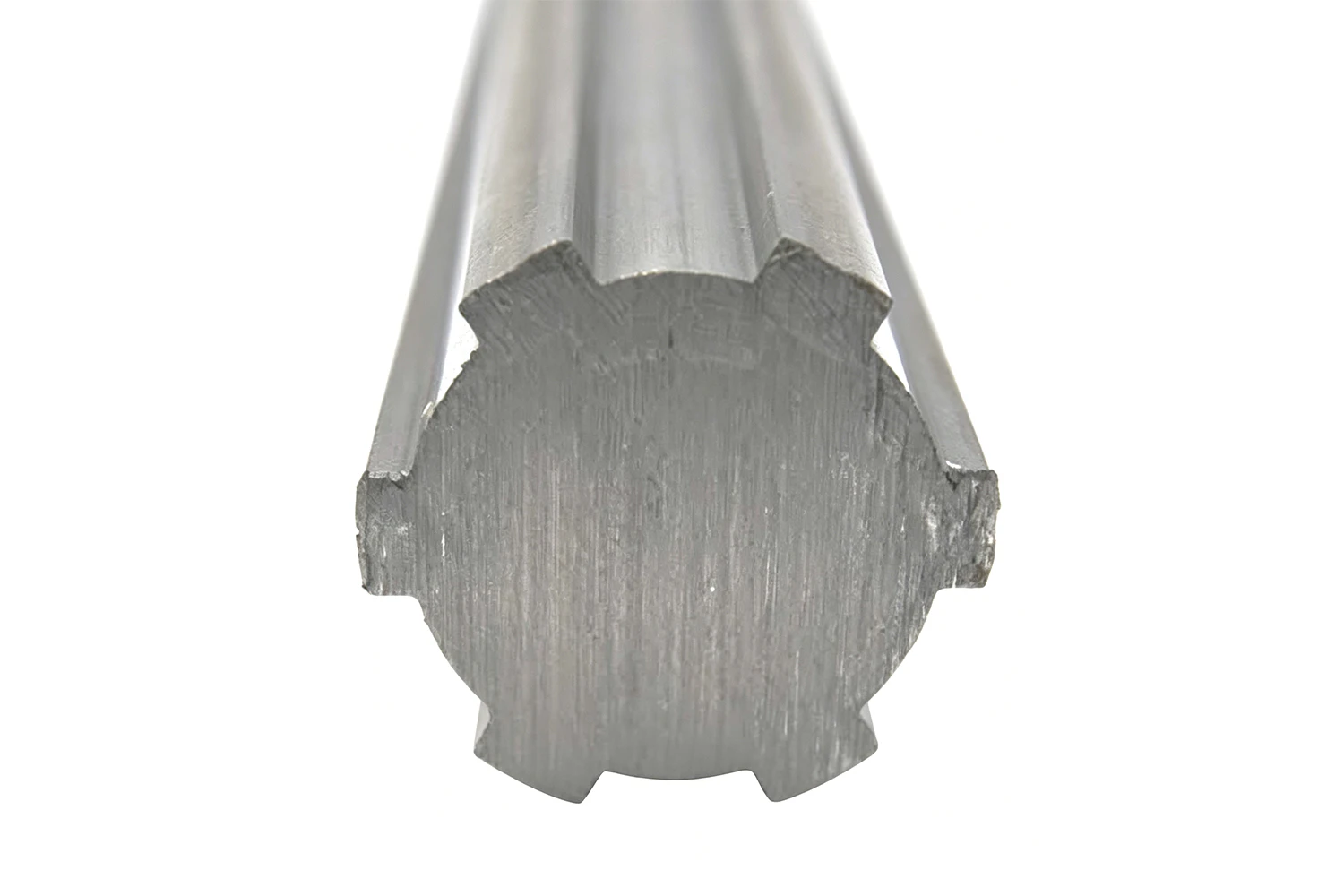
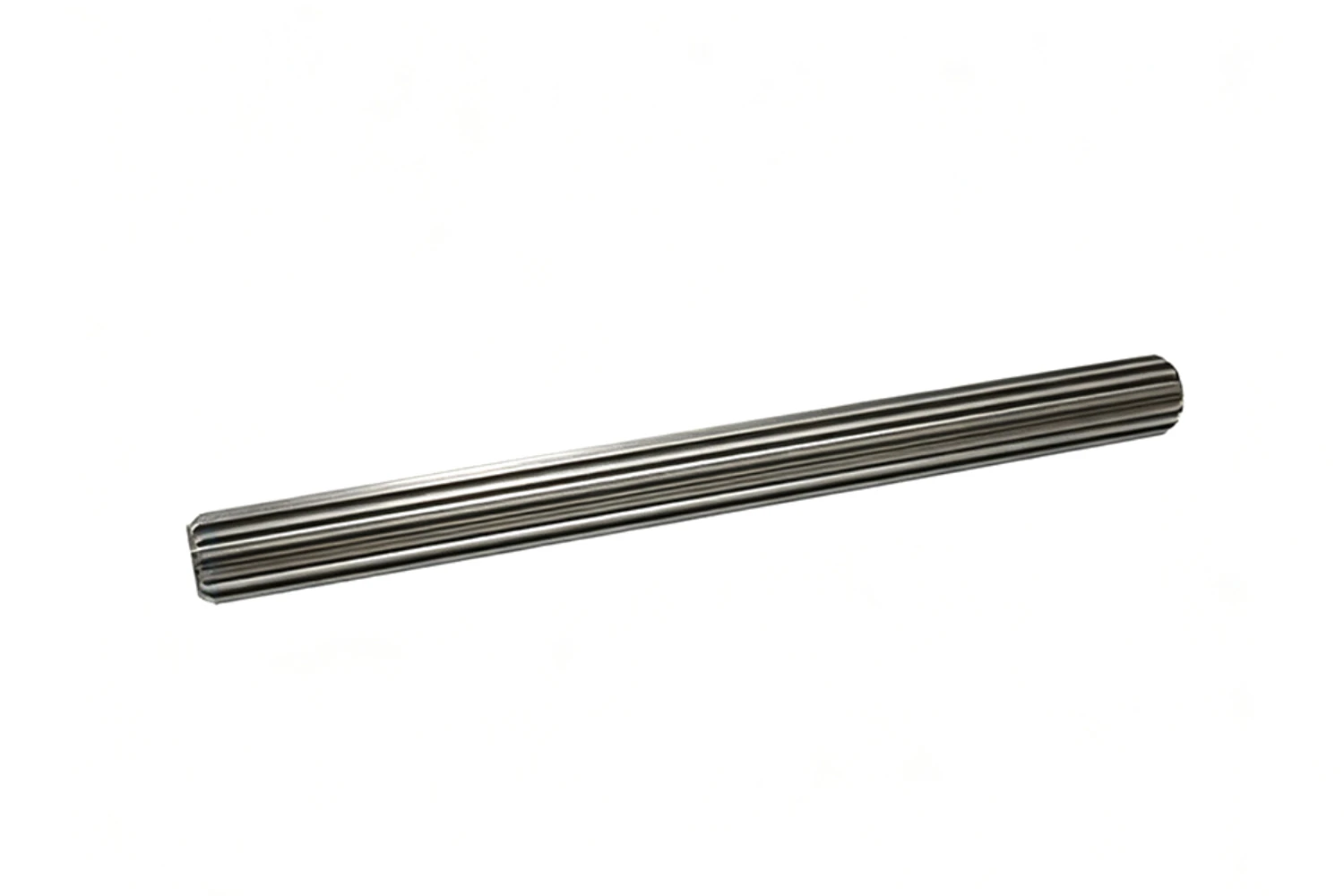
Rectangular spline shafts transmit torque via multi-tooth rectangular faces, with high centering accuracy, load capacity and axial sliding for heavy-duty drives.
Parameter Technical Specification Range
Minor Diameter Range φ6 ~ φ300 mm
Number of Teeth Z6 ~ Z80
Accuracy Class Compliant with GB/T 1144, covering Class 4~7, up to Class 4 consistently achievable
Centering Method Minor diameter centering as standard, custom options available
Compatible Materials Full material range: structural steels, stainless steels, copper alloys, etc.

Product Description

1.What is a Rectangular Spline Shaft?

A rectangular spline shaft is a shaft-type transmission component that transfers torque through multiple rectangular working surfaces. Primarily designed for high-precision centering and power transmission between shafts and hubs, it is a widely used component in heavy-duty drive systems, recognized for its strong load capacity and high centering accuracy. It is ideal for applications with demanding requirements for torque transmission, alignment precision, and frequent assembly and disassembly.

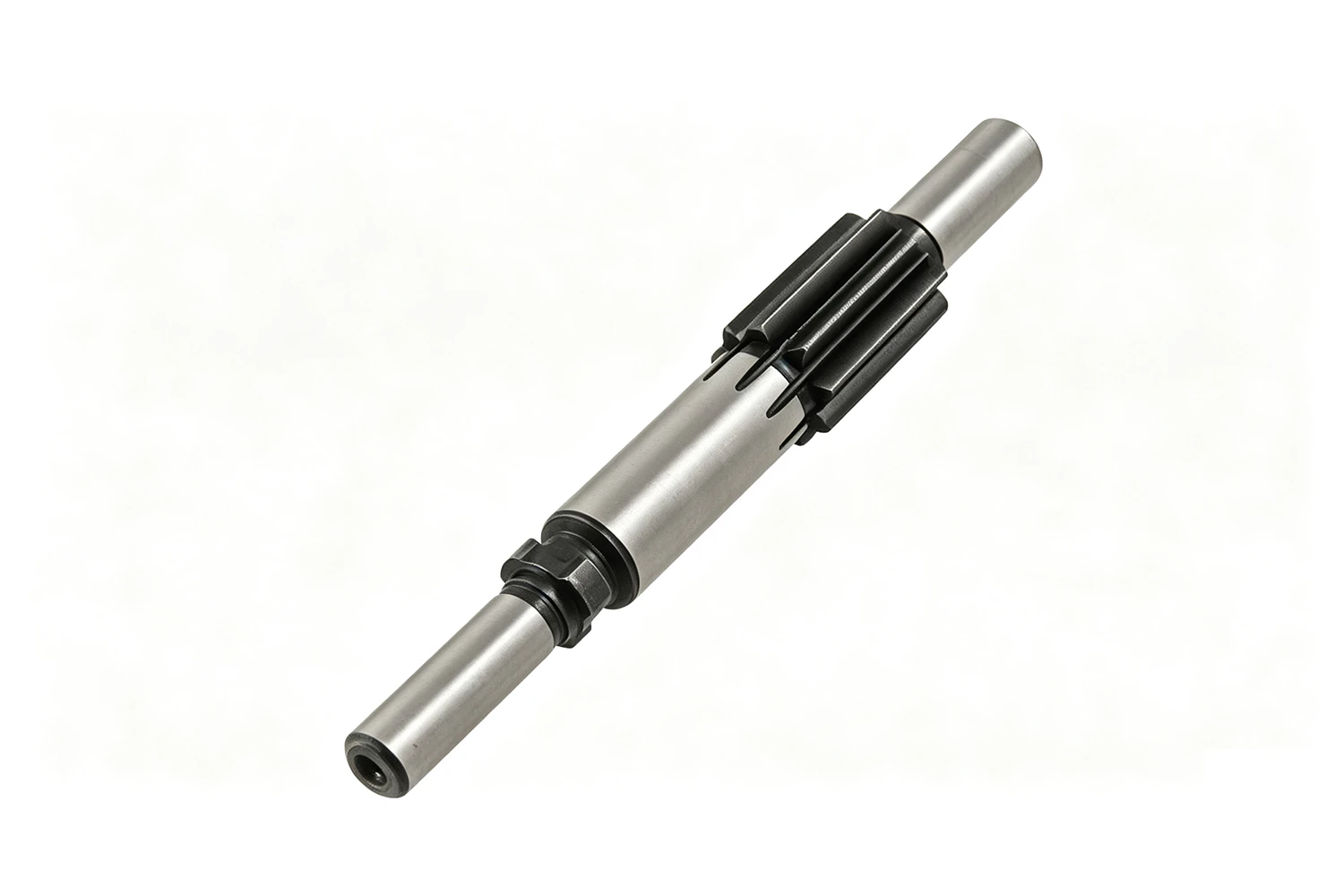
Its spline teeth are evenly spaced axially along the outer circumference of the shaft, with rectangular load-bearing flanks that deliver high tooth root strength and a large contact load area. The shaft body typically features locating shoulders, locking threads and other mounting structures. When mated with an internal spline bore, it engages via axial sliding, allowing stable torque transfer while accommodating relative axial movement. Most designs adopt minor diameter centering, ensuring excellent interchangeability and centering accuracy.

Compared with conventional single or double key connection solutions, rectangular spline shafts avoid the hidden risks of stress concentration and shear failure inherent in single-key designs. They provide greatly improved torque capacity and superior guiding performance, supporting operating scenarios with frequent sliding and shifting. The primary limitation is that manufacturing requires dedicated equipment, making them more costly to produce than standard single-key shafts.


2.Core Structure & Transmission Characteristics

1.Tooth Profile & Shaft Construction

Rectangular spline shafts feature a standard rectangular tooth profile with straight, flat load-bearing flanks, evenly spaced along the axial length of the shaft. The spline teeth are typically machined integrally with the shaft body, resulting in a compact overall build and consistent fit accuracy. The industry widely adopts the minor diameter centering method, which effectively ensures assembly concentricity between the shaft and hub to meet the mounting requirements of high-precision drive systems.

2.Torque Transmission & Fit Performance

Torque is transmitted through the shared load-bearing capacity of multiple tooth surfaces, delivering even load distribution that inherently eliminates the stress concentration issues common with single-key connections. This gives it far greater torque capacity than standard plain key configurations. The mating assembly slides smoothly along the axial direction with excellent guiding performance, supporting both fixed-position torque transfer and dynamic sliding applications such as gear shifting and telescopic movement, while allowing easy assembly, disassembly and maintenance.

3.Load & Centering Characteristics

Under operation, loads act primarily on the tooth flanks, dominated by compressive and shear forces, with no additional radial loads during stable torque transmission. Within the industry, centering methods fall into three categories: minor diameter, major diameter and flank centering. Minor diameter centering delivers the highest precision and best interchangeability, making it the dominant solution for industrial applications. The integral shaft body provides excellent torsional and bending resistance, suitable for operating conditions with combined loads.

4.Performance Limits & Application Traits

Under static, fixed torque operation, rectangular spline shafts achieve a transmission efficiency of 98% to 99%. In scenarios involving frequent axial sliding, tooth surface friction introduces some power loss. Its core advantages lie in high load capacity, precise centering, support for frequent sliding motion and excellent component interchangeability. The main tradeoff is the requirement for dedicated cutting tools, with custom non-standard production costing more than standard plain keys. It is best suited for drive applications demanding high torque, high precision, or axial sliding functionality.

Parameter Information

Parameter Item Standard Mass-Production Version (General Service) High-Precision Custom Version (Precision Drive Applications)
Core Dimensional Specifications
Minor Diameter Machining Range φ6 mm ~ φ300 mm φ10 mm ~ φ250 mm
Number of Teeth Range Z6 ~ Z80 Z10 ~ Z60
Maximum Major Diameter (Outside Diameter) ≤ 350 mm ≤ 300 mm
Effective Spline Length Range ≤ 1200 mm ≤ 1000 mm
Spline Tooth Width Range 2 mm ~ 40 mm 3 mm ~ 30 mm
Integrated Shaft Machining Can integrate positioning steps, lock threads, retaining ring grooves, plain keyways and end holes Single-setup full-process machining, strictly guaranteed concentricity, tooth alignment and positional accuracy
Tooth Profile & Accuracy Specifications
Tooth Profile Standard Standard rectangular tooth profile, compliant with GB/T 1144, compatible with metric and inch series Standard rectangular tooth profile, custom non-standard profiles and special tooth pitches available
Centering Method Minor diameter centering (standard); major diameter and tooth side centering optional Minor diameter centering as primary, custom centering methods with strict tolerance control
Accuracy Class GB/T 1144 Class 6~7, equivalent to ISO Class 6~7 GB/T 1144 Class 4~5, up to Class 4 consistently achievable, equivalent to ISO Class 3~4
Tooth Alignment Tolerance 0.015 ~ 0.030 mm per 100mm tooth length 0.003 ~ 0.012 mm per 100mm tooth length
Tooth Profile Tolerance 0.015 ~ 0.030 mm 0.005 ~ 0.012 mm
Tooth Surface Roughness Ra 1.6 ~ 3.2 μm Ra 0.4 ~ 0.8 μm
Tooth Surface Hardening High-frequency induction hardening available for higher tooth surface hardness Custom hardening processes available: carburizing, nitriding, tooth surface super-finishing, etc.
Notes The above are standard machining ranges for our rectangular spline shafts. Custom sizes, non-standard shaft configurations and special materials are available per customer drawings. For quotation, please provide minor diameter, tooth count, effective spline length, material, accuracy class, quantity and shaft end requirements. We will provide a precise quote within 12 hours.

Standardized Production Process Flow

  1. Blank Forging & Normalizing

    High-quality blanks are forged and normalized to eliminate internal stress and stabilize material structure.

    01
  2. 02
    Precision Gear Machining

    Turning, milling and hobbing/shaping are applied to form the target tooth profile with strict accuracy control.

  3. Heat Treatment Strengthening

    Carburizing quenching or tempering processes to improve tooth surface hardness and core toughness.

    03
  4. 04
    Precision Grinding Finishing

    Grinding of tooth flanks, bores and datum faces to correct deformation and enhance meshing precision.

  5. Comprehensive Final Inspection

    Full-dimensional verification by gear measuring center and CMM to qualify products before release.

    05
  6. 06
    Anti-rust Packaging & Delivery

    Professional anti-rust and protective packaging to keep products intact during storage and transit.

Core Advantage

Ultra-Silent Transmission

High-precision gear grinding delivers tooth surface roughness as low as Ra 0.4, with tight meshing, low vibration and noise for smoother equipment operation.

Extended Service Life

Premium materials matched with precise heat treatment ensure wear-resistant tooth surfaces and impact-resistant core, cutting maintenance and replacement costs.

All-Condition Adaptation

Custom solutions for high-speed heavy load, corrosion resistance and food-grade scenarios, eliminating trial-and-error costs in product selection.

Cost-Effective & Reliable Delivery

Scaled production supports tiered pricing for bulk orders with consistent quality; full-process control guarantees stable lead time and complete after-sales support.

Get In Touch

Materials Guide

Premium Carbon Structural Steel

Premium Carbon Structural Steel

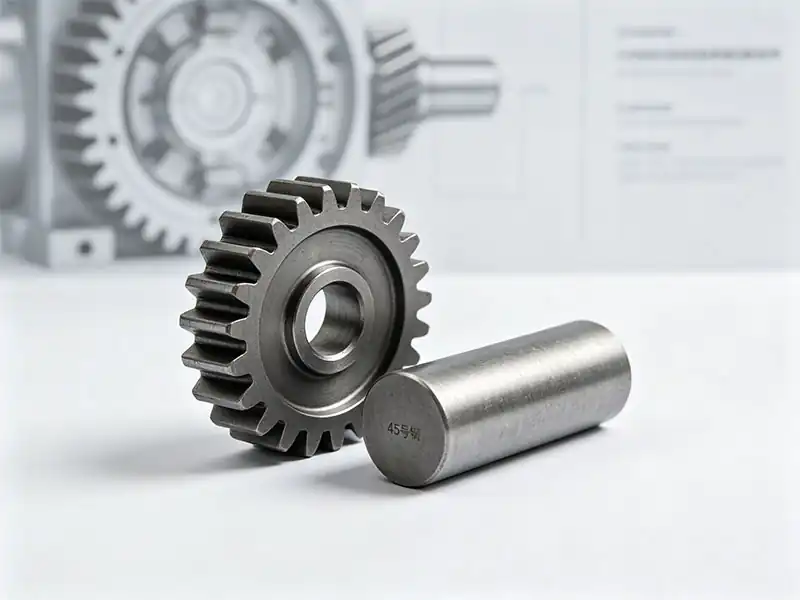
Representative grades: 45# steel

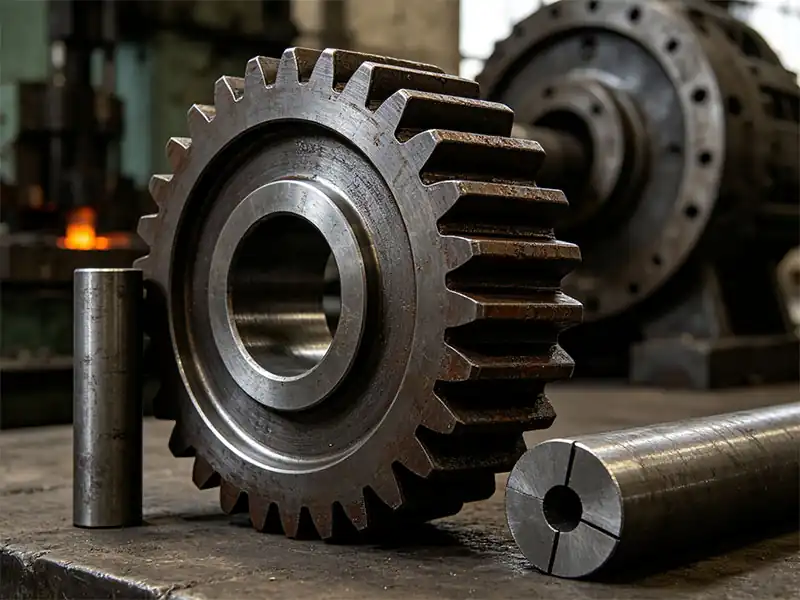
As the standard baseline material for general-purpose applications, it delivers a balanced mix of strength and toughness after quenching and tempering, with good machinability and strong cost-effectiveness. Tooth surface hardness can be upgraded via high-frequency surface hardening. It fits small-to-medium size spline drives running at medium-to-low speeds, medium loads and low sliding frequency. With moderate hardenability and insufficient core strength in large-diameter shafts, it is not suited for heavy-duty impact or frequent sliding conditions.

Alloy Structural Steels

Alloy Structural Steels

Representative grades: 40Cr, 20CrMnTi, 42CrMo

These are the primary core material for heavy-duty, high-precision spline shafts designed for frequent sliding operation, with far superior hardenability compared to carbon steels. After targeted heat treatment, they achieve a wear-resistant high-hardness tooth surface paired with a robust, torsion-resistant shaft core, with excellent fatigue and impact resistance. Different grades are tailored to specific operating scenarios. They come with higher material and heat treatment costs and stricter process control requirements.

Stainless Steels

Stainless Steels

Representative grades: 304, 316 stainless steel

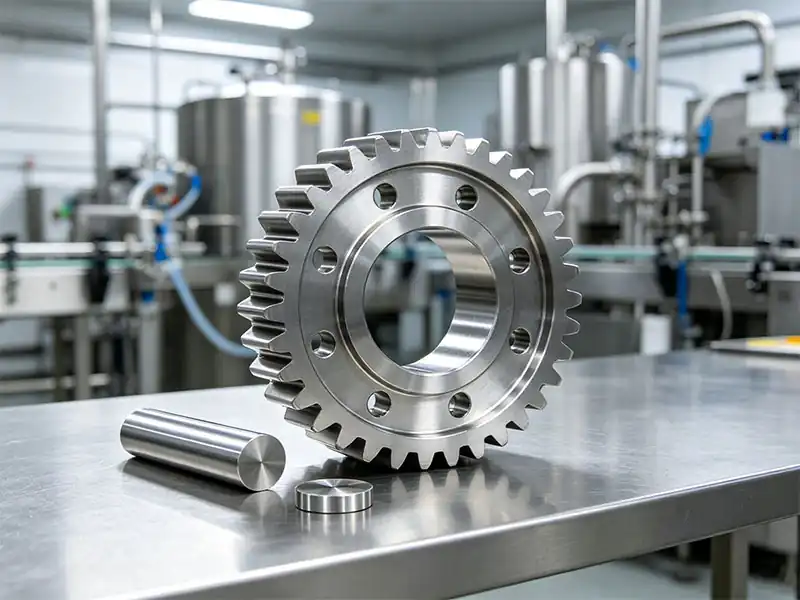
Stainless steels offer excellent rust and corrosion resistance. Food-grade grades meet clean production standards, making them ideal for light-duty, low-speed spline shafts with low sliding frequency in humid or corrosive environments; grade 316 is specified for mild acid and alkali service. With only moderate strength and hardness, they have limited load and wear capacity, are not recommended for heavy-duty or frequent sliding use, and carry a higher price point.

Copper Alloys

Copper Alloys

Representative grades: tin bronze, brass H62

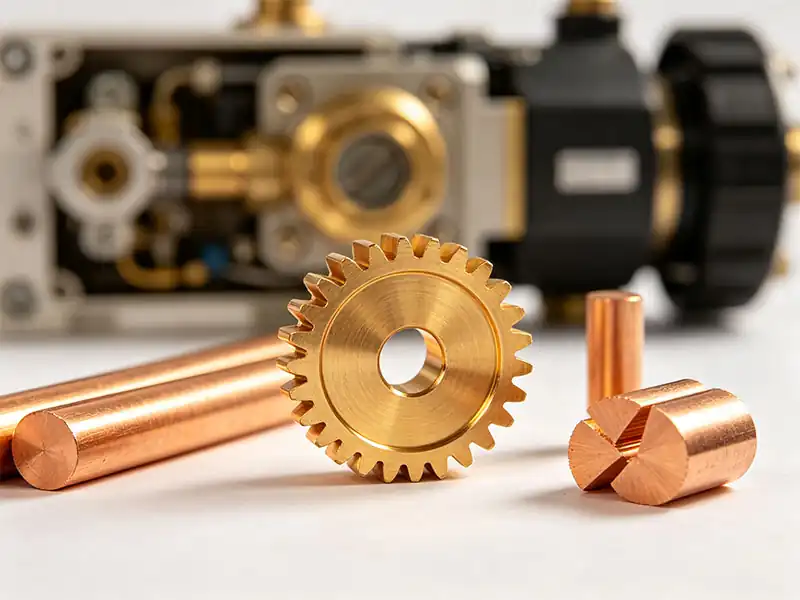
Copper alloys feature outstanding anti-friction and wear performance, along with corrosion resistance and non-magnetic properties. Dimensional accuracy is easily achieved for small-size spline shafts, and tin bronze is particularly well suited for high-frequency axial sliding applications to minimize friction wear. Mostly used in light-duty, low-speed precision spline shafts, their overall strength is significantly lower than steel, so they cannot handle high torque or heavy impact loads.

Engineering Plastics

Engineering Plastics

Representative grades: POM, PA66

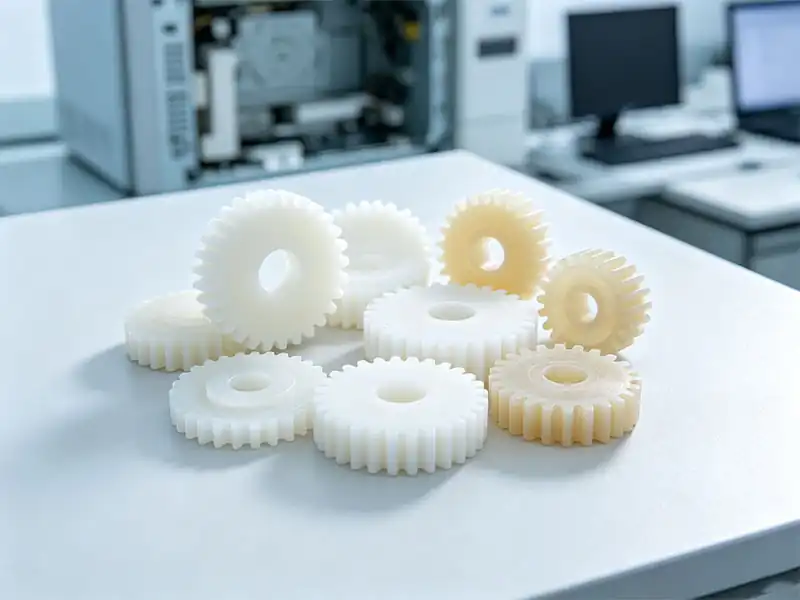
Engineering plastics are lightweight with built-in self-lubricating properties, and can be produced as single-piece injection-molded parts. When paired with spline sliding assemblies, they deliver exceptional noise and vibration damping plus strong corrosion resistance. They are suited for small, light-duty, low-speed spline shafts where quiet operation, weight savings and maintenance-free performance are priorities. Limitations include low load and speed ceilings, susceptibility to creep under long-term loading, and lower dimensional stability than metals.

Cast Iron

Cast Iron

Representative grades: ductile iron QT450

Cast iron is easy to cast, low in cost and offers good vibration damping, and can be manufactured as large-size one-piece shaft bodies. Ductile iron delivers better strength and toughness than gray iron, with moderate torque carrying capacity. It is intended for large-size fixed-torque spline shafts in low-speed, steady-load applications with low precision and sliding frequency requirements. Its impact and wear resistance are relatively weak, making it unsuitable for high-frequency sliding or high-precision scenarios.

Typical Application Scenarios

Automotive and Agricultural Machinery Transmission Shifting Mechanisms
01
Automotive and Agricultural Machinery Transmission Shifting Mechanisms

Rectangular spline shafts are core components in the shifting mechanisms of automotive and agricultural machinery transmissions, widely used in shift shafts and sliding hub assemblies for passenger vehicles, commercial vehicles and tractors. They enable smooth gear changes through the axial sliding capability of the spline pair, while their multi-tooth load sharing effectively withstands shift shock and high torque loads. Combined with minor diameter centering technology, they ensure backlash-free, smooth shifting operation and serve as the foundational supporting component for shifting functions across all types of variable speed drive systems.

Construction Machinery and Heavy Equipment Drive Systems
02
Construction Machinery and Heavy Equipment Drive Systems

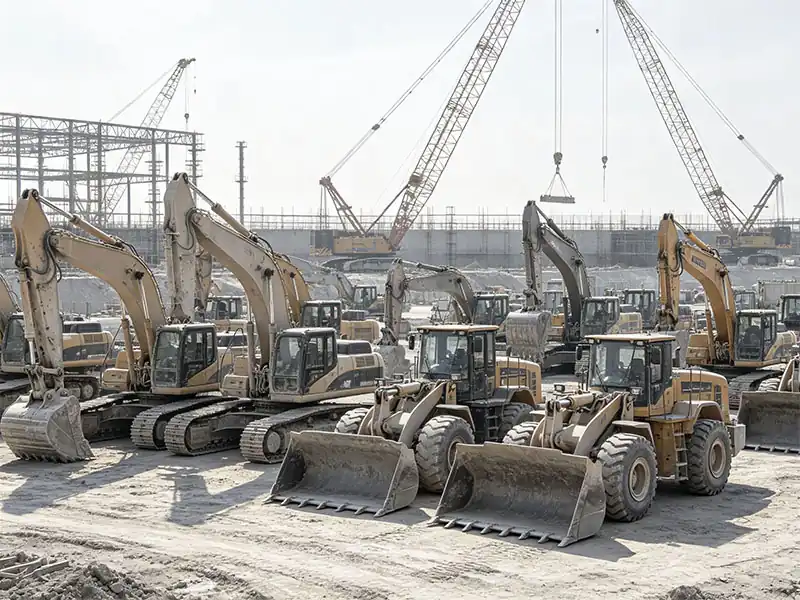
Alloy steel rectangular spline shafts are extensively deployed in the drive systems of heavy equipment such as loaders, excavators and mining machinery. Their multi-tooth torque transmission structure delivers exceptional impact and overload resistance, suited for high-torque, heavy-shock loads in harsh operating conditions. The integral shaft body provides excellent torsional and bending strength, effectively eliminating the failure and loosening issues common with single-key connections and ensuring long-term reliable operation of heavy equipment.

CNC Machine Tools and Precision Processing Equipment
03
CNC Machine Tools and Precision Processing Equipment

High-precision rectangular spline shafts are commonly specified for feed and spindle drive systems in CNC machining centers and precision lathes. Minor diameter centering achieves exceptional concentric accuracy with minimal backlash and low reverse hysteresis, enabling precise torque and motion transmission to guarantee machine positioning accuracy and workpiece quality. The spline structure also offers high torsional rigidity, making it well suited for machining operations with frequent forward and reverse rotation.

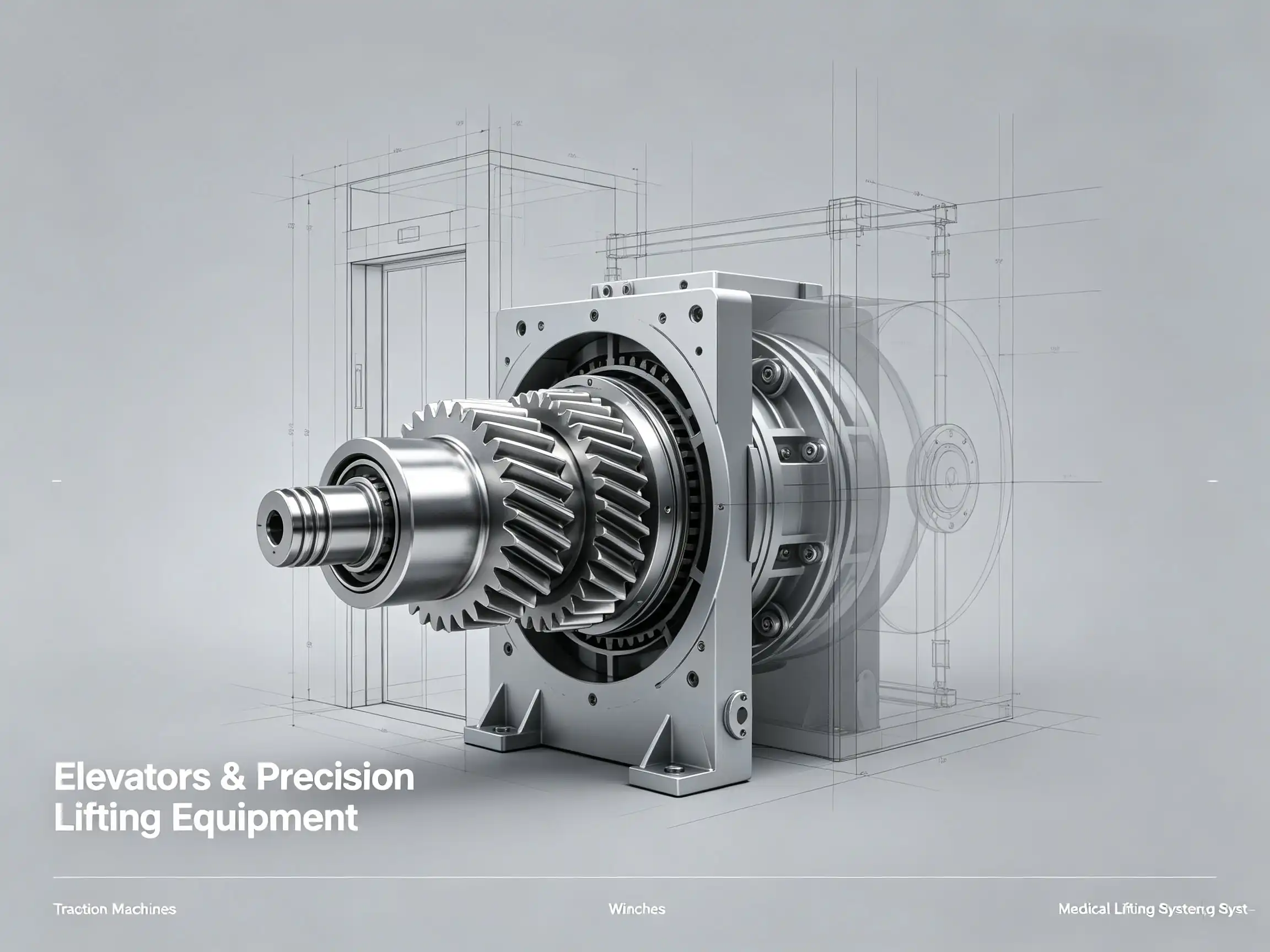
Industrial Gearboxes and Elevator Traction Equipment
04
Industrial Gearboxes and Elevator Traction Equipment

Rectangular spline shafts are widely used for shaft-hub power connections at the input and output ends of industrial gearboxes, as well as in elevator traction machines and hoisting equipment. Compared with plain key connections, they deliver more uniform and reliable torque transmission with higher centering accuracy, are less prone to fit loosening over long-term operation, and allow easier assembly and maintenance — ideal for fixed-torque applications requiring continuous operation and high reliability.

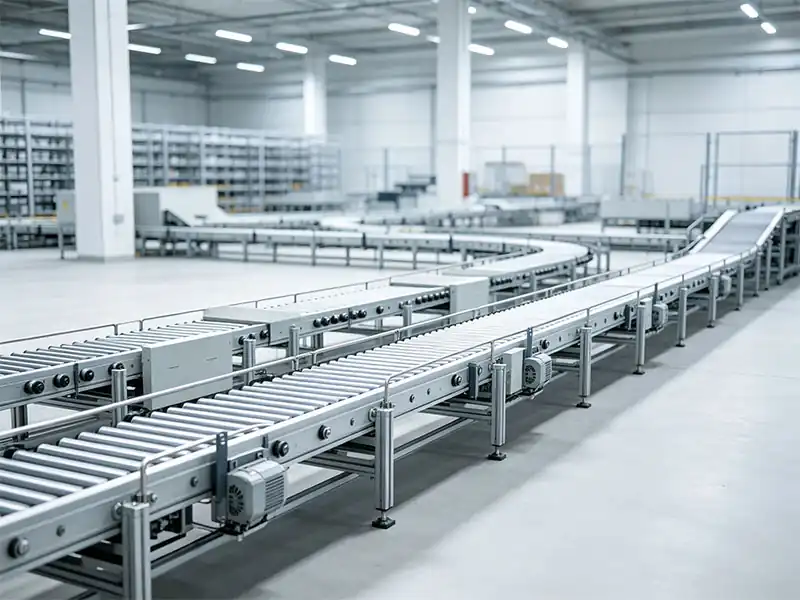
Automated Production Lines and General Conveying Equipment
05
Automated Production Lines and General Conveying Equipment

Rectangular spline shafts find broad application in conveyor rollers and speed reduction modules for automated production lines, conveying and sorting equipment, and packaging machinery. They offer excellent component interchangeability, high efficiency in batch assembly, and easy maintenance and replacement, delivering stable torque transmission for routine operations. Suited for the long continuous running demands of industrial production lines, they deliver a lower total cost of ownership than single-key connection solutions.

Marine and Offshore Engineering Equipment Drive Systems
06
Marine and Offshore Engineering Equipment Drive Systems

Rectangular spline shafts are widely used in marine main propulsion shafting, deck hoisting winches and offshore platform lifting equipment. Their multi-tooth torque structure provides high load capacity and operational reliability, adapted to continuous high-torque operating conditions. They can be specified with corrosion-resistant materials to support long-term stable performance of maritime equipment.

Logistics and After-Sales Service

Logistics Support

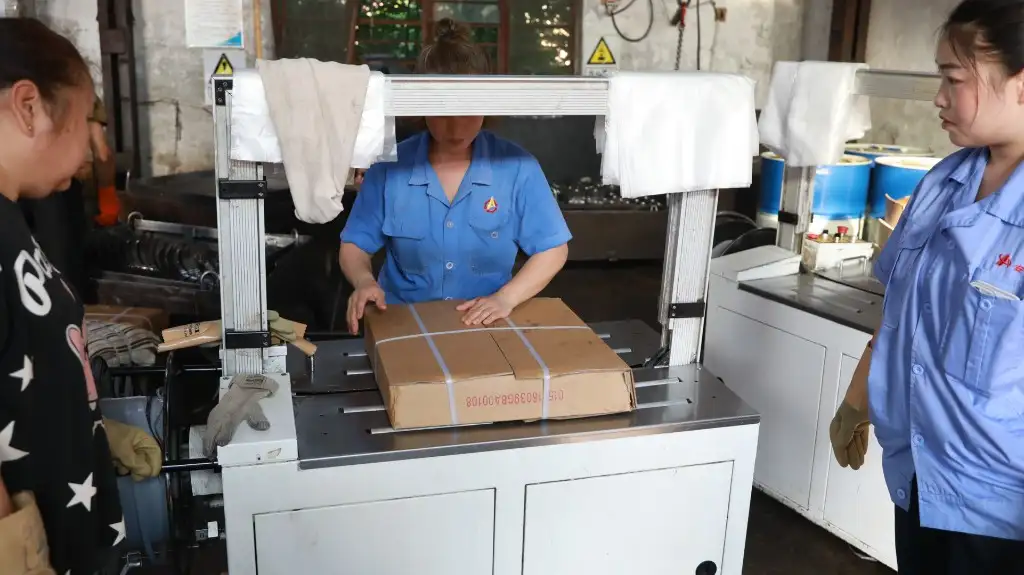
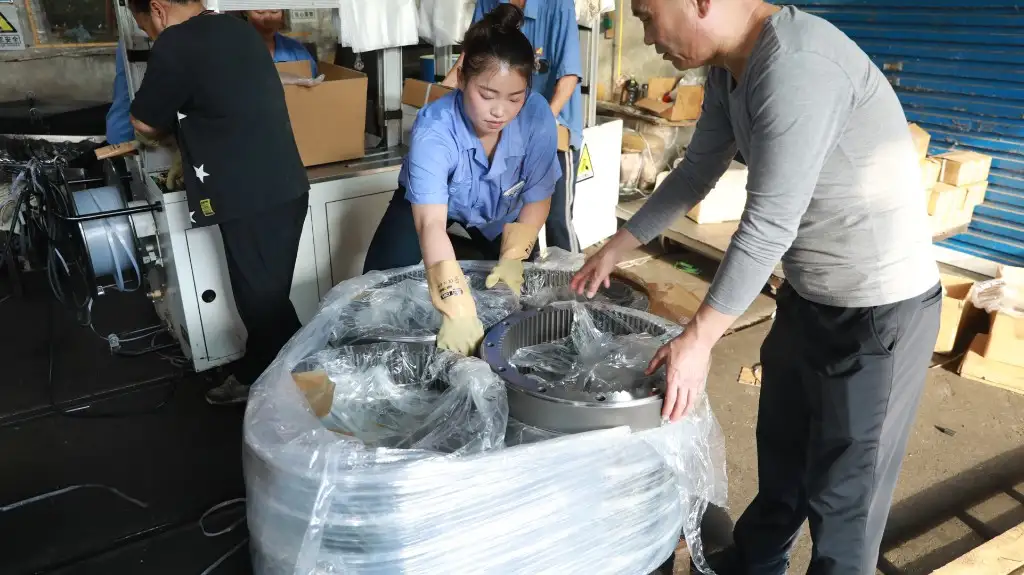
Professional Anti-Rust Packaging

Inner VCI vacuum anti-rust process fully seals tooth flanks and critical machined surfaces, effectively resisting salt spray and moisture during ocean and air freight to keep precision gears corrosion-free throughout long-distance transit.

Efficient & Traceable Delivery

We select cost-effective logistics channels with stable transit time and controlled costs. Full logistics tracking is available with real-time status updates to ensure reliable and punctual delivery.

After-Sales Support

1-Year Warranty

All products are covered by a 1-year warranty. Quality defects caused by non-human factors are fully guaranteed, removing your procurement concerns.

Prompt Response Service

Our professional technical and after-sales team is always available to respond quickly to inquiries and after-sales needs, and efficiently resolve issues during installation and operation.

Global logistics and shipping
Packing photo Packing photo Packing photo

Frequently Asked Questions (FAQ)

Do you offer custom manufacturing? What information do I need to provide for customization?

We support full-parameter OEM/ODM customization based on 2D/3D drawings or physical samples, including module, tooth profile, material and heat treatment specifications. You only need to provide core gear parameters, detailed drawings or physical samples to start the customization process.

How can I send samples for reverse engineering and replication?

You can send physical samples to us via international courier. Upon receipt, we will complete full-dimensional measurement and parameter verification, then arrange sample production after confirming the solution, ensuring the finished product fully matches the original in installation dimensions and transmission performance.

What is the typical lead time for custom gears?

Prototype orders usually ship within 15–25 days, subject to heat treatment and grinding scheduling. Lead time for bulk orders will be confirmed after process finalization, with stable and well-managed production schedules.

Is there a volume discount? Will product quality be guaranteed for large orders?

We adopt a tiered pricing policy — the larger the order quantity, the more favorable the unit price. All orders follow the same production and quality inspection standards with strict accuracy control. Quality will never be compromised for larger order volumes.

Do you provide inspection reports along with shipments?

We can include dimensional inspection reports, hardness test records and material certificates with each shipment. For high-precision key projects, professional inspection data from CMM and gear measuring centers is also available.

Do you provide warranty service for your products?

All products come with a 1-year warranty covering material defects and manufacturing quality issues under normal use. We also have a professional technical team to provide full-process consultation and selection support.

How to choose between spur gears and helical gears?

Spur gears feature a simple structure and no axial load, ideal for medium-low speed general transmission with higher cost-effectiveness. Helical gears run smoother with lower noise and higher load capacity, suitable for high-speed heavy-duty applications. We can recommend the optimal solution based on your actual requirements.

Send Us a Message

Upload Drawing / Reference File

All drawings and technical information are kept strictly confidential and will never be disclosed to third parties.