1. What Is a Helical Rack?
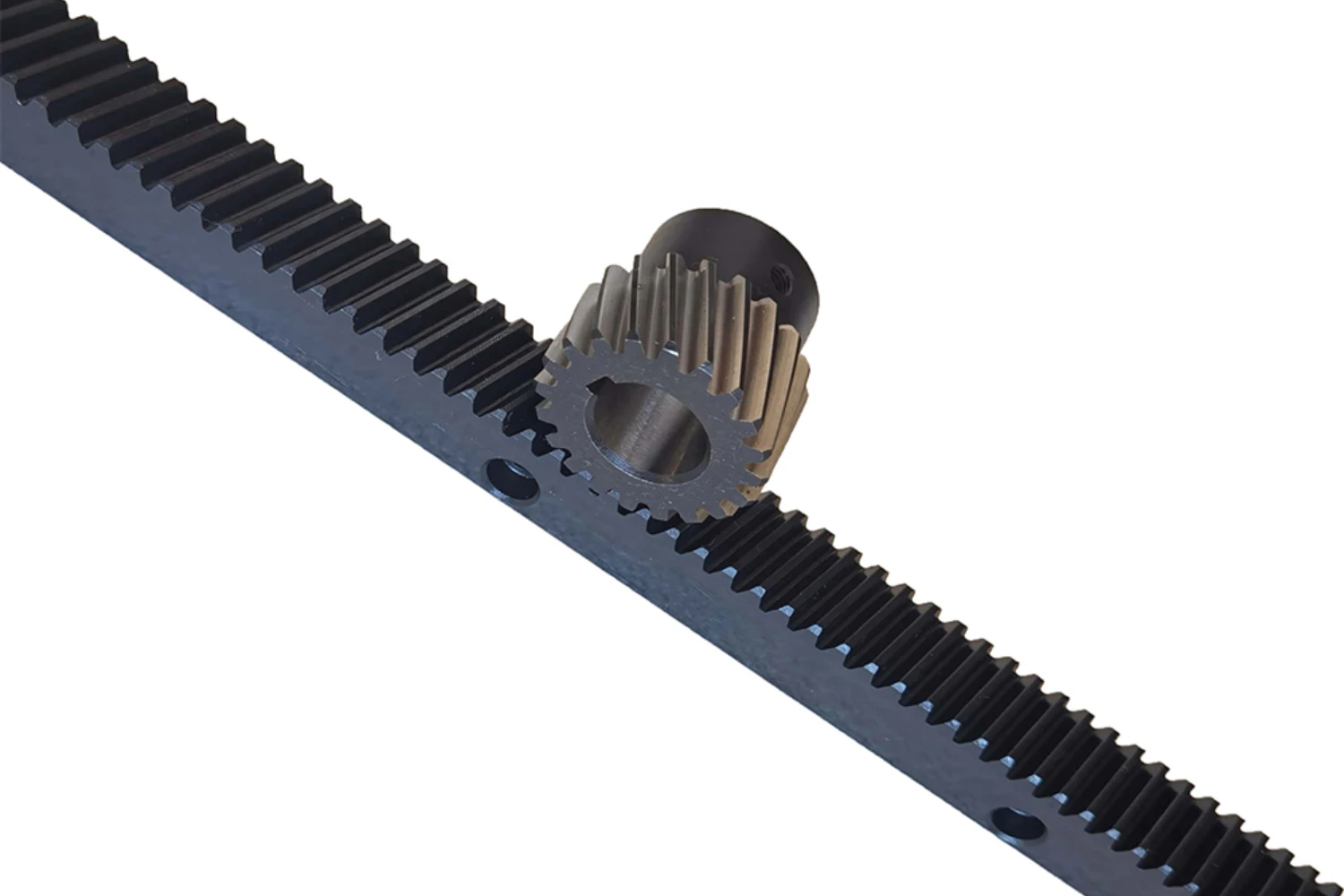
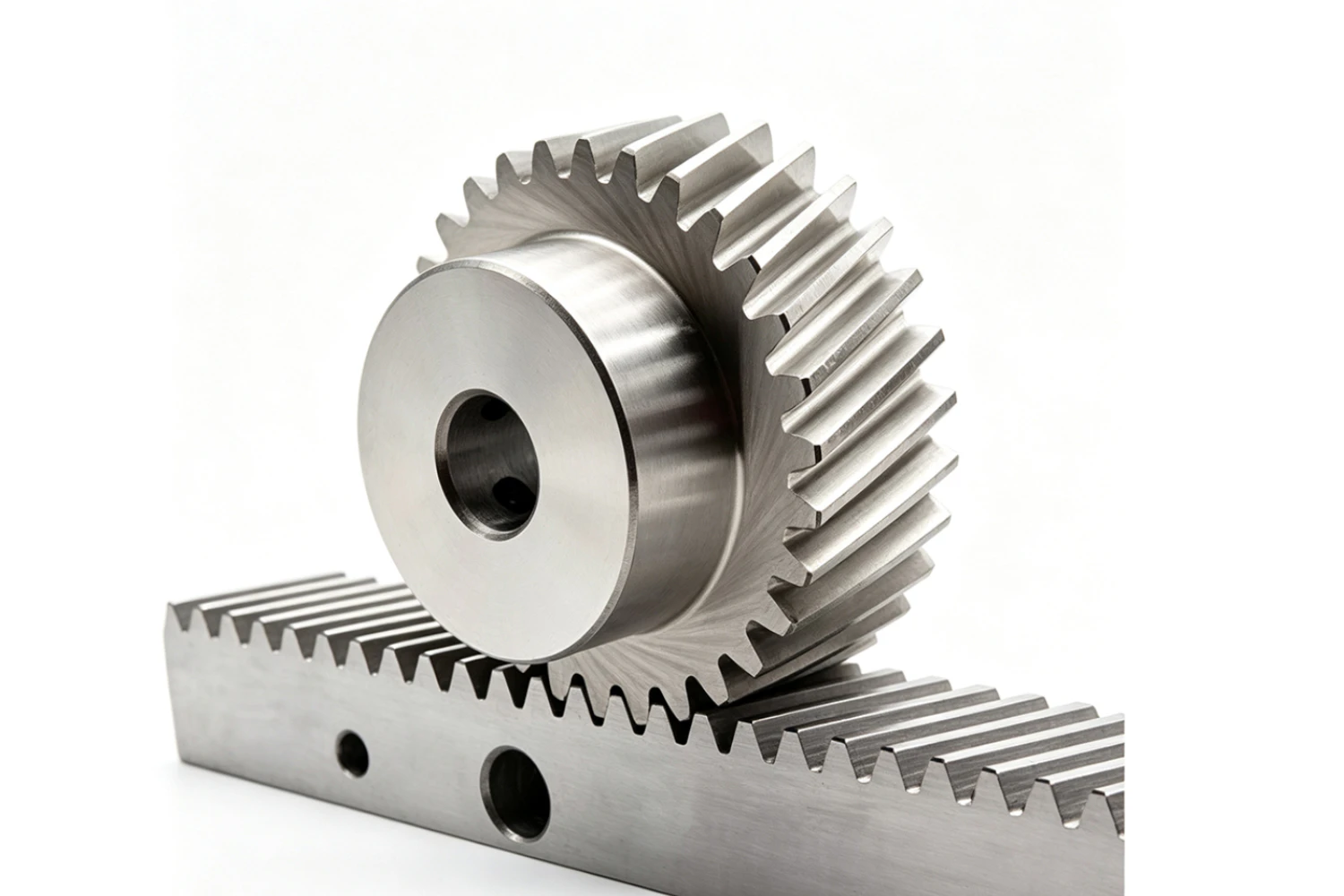
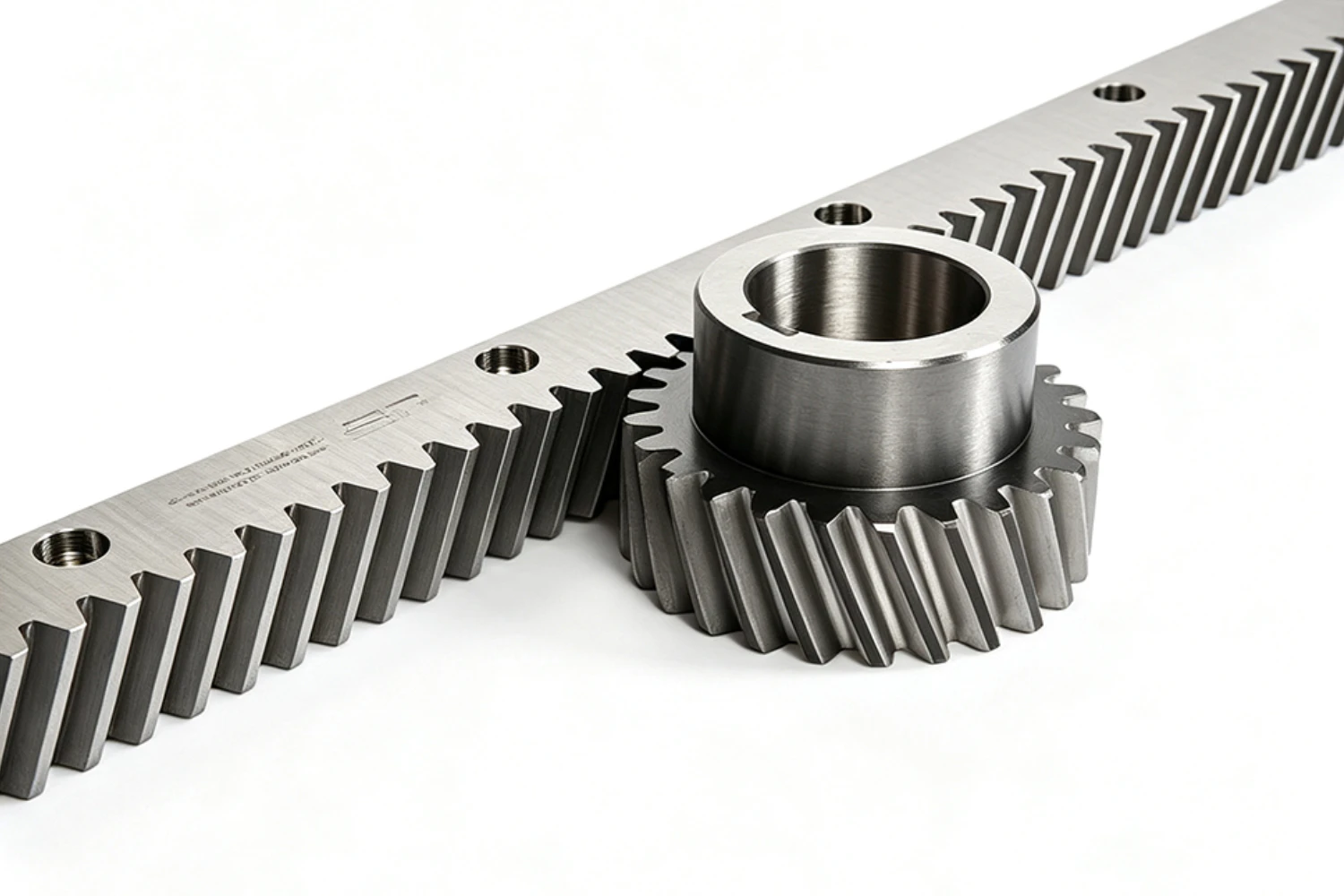
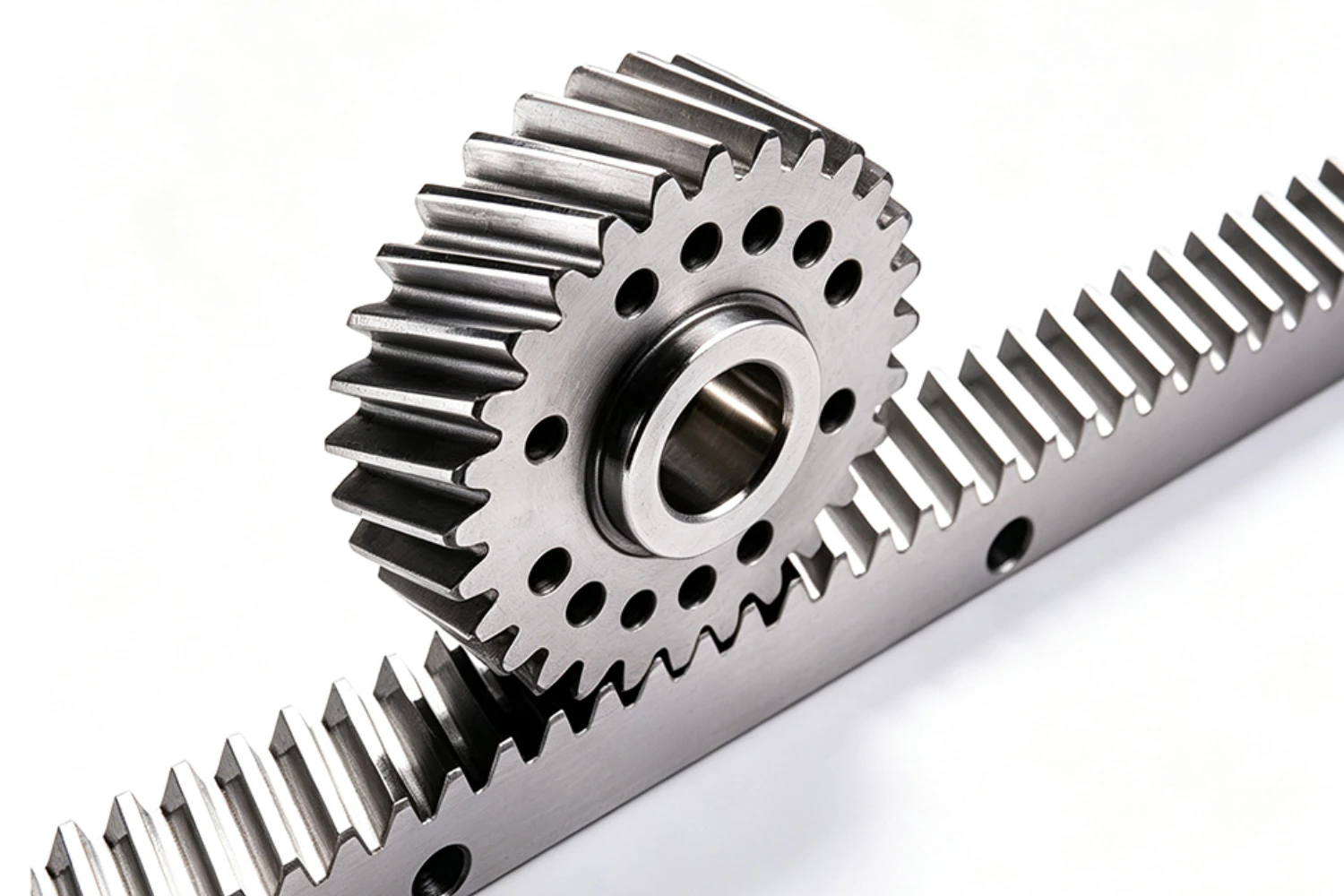
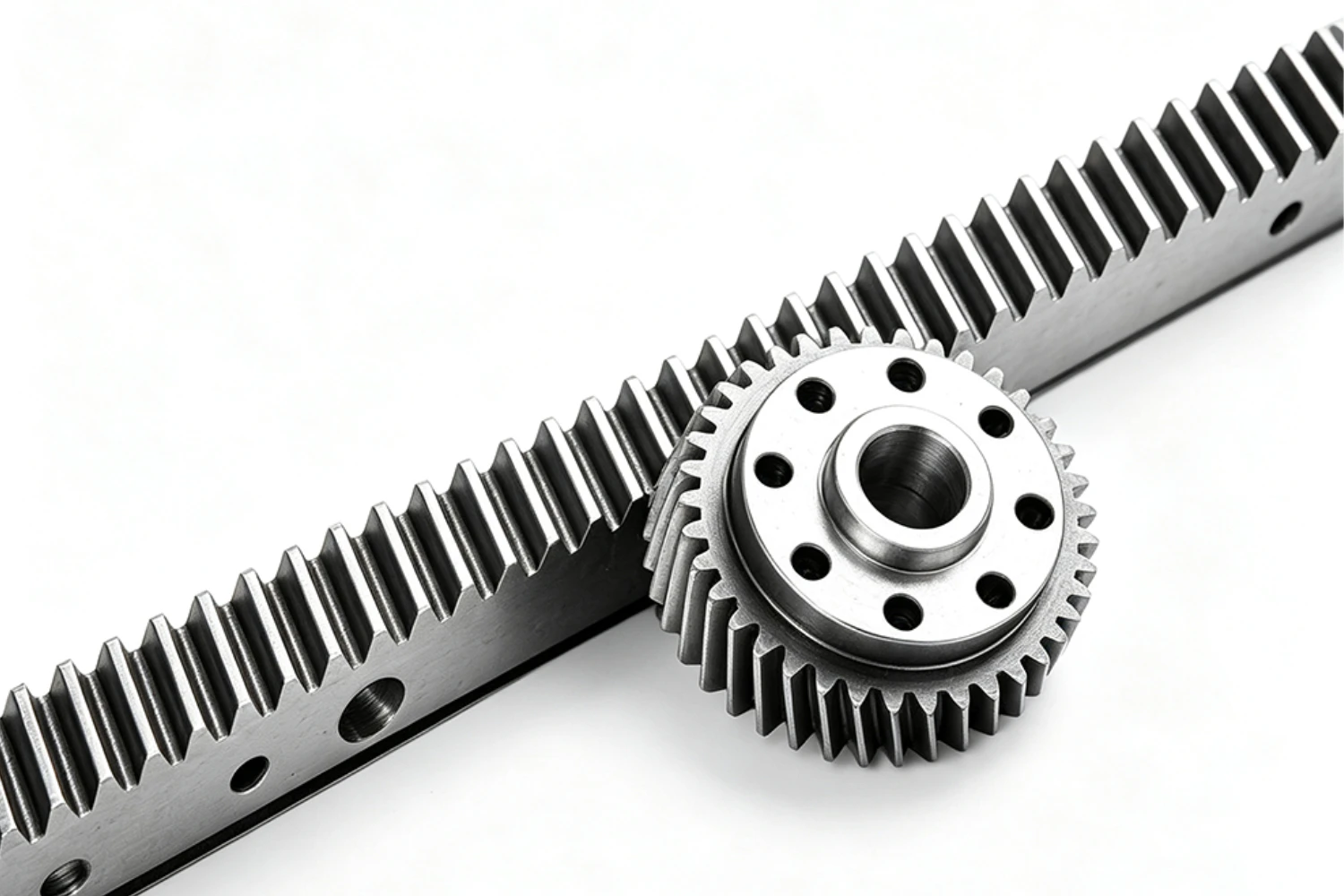
A helical rack is a precision mechanical transmission component used in linear motion systems. It forms part of a rack-and-pinion drive. Its teeth are arranged at a helix angle. This design allows the pinion and rack to engage progressively and maintain more continuous tooth contact. The system converts rotary motion into linear motion.
Compared with conventional spur racks, helical racks provide more continuous tooth contact during meshing. This helps improve load distribution and reduce transmission impact and vibration. It also allows smoother linear motion. The helical tooth design can support better positioning accuracy and operating stability. These characteristics make helical racks suitable for equipment requiring precise positioning, high travel speeds, and reliable long-term operation.
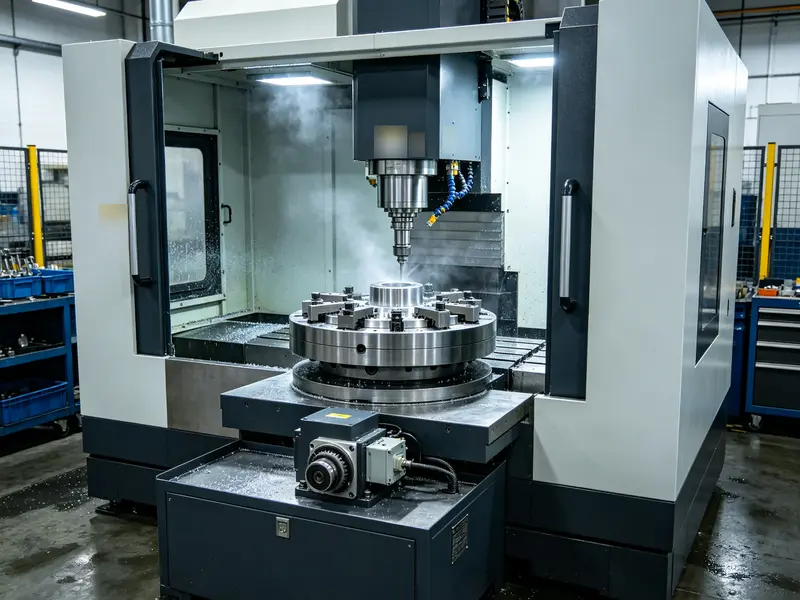
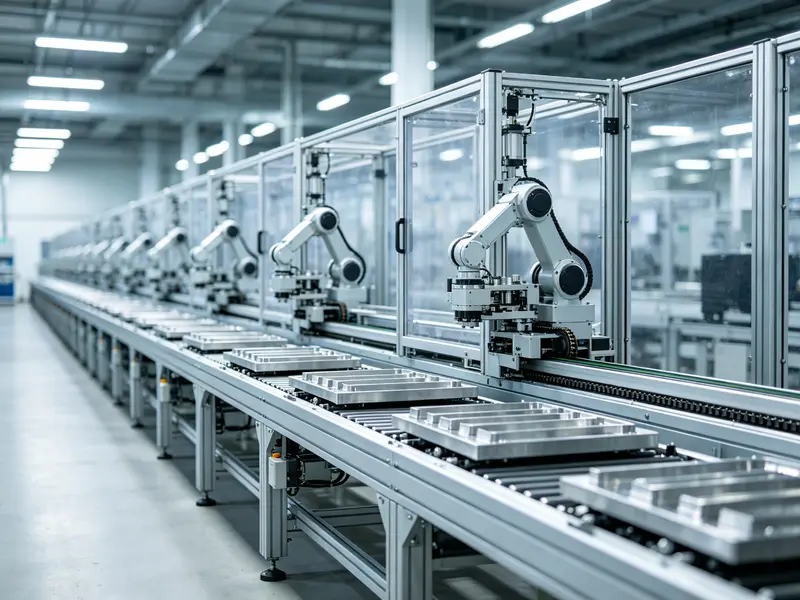
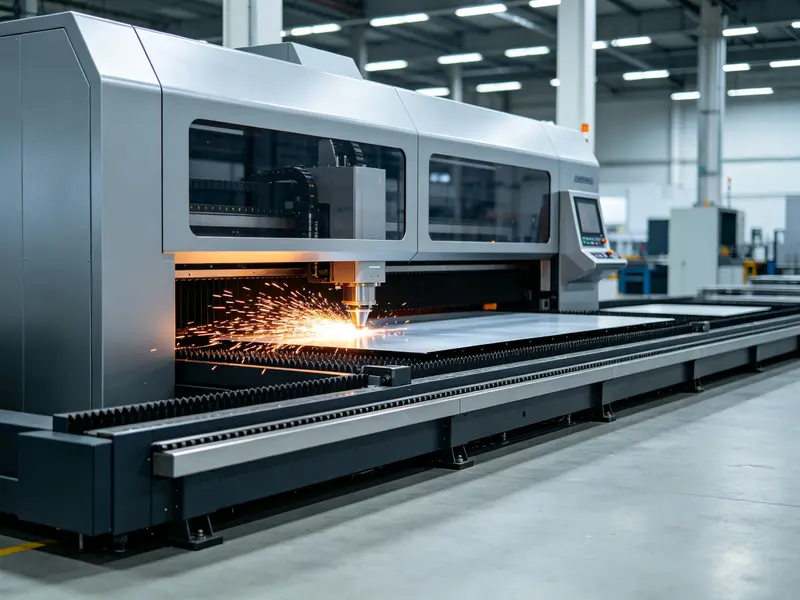
As precision linear transmission components, helical racks are widely used in CNC machine tools, automation equipment, industrial robots, laser processing equipment, and precision positioning systems. Dimensions, materials, and accuracy grades can be customized according to equipment requirements.
2. Core Structure and Transmission Characteristics
1. Helical Tooth Design
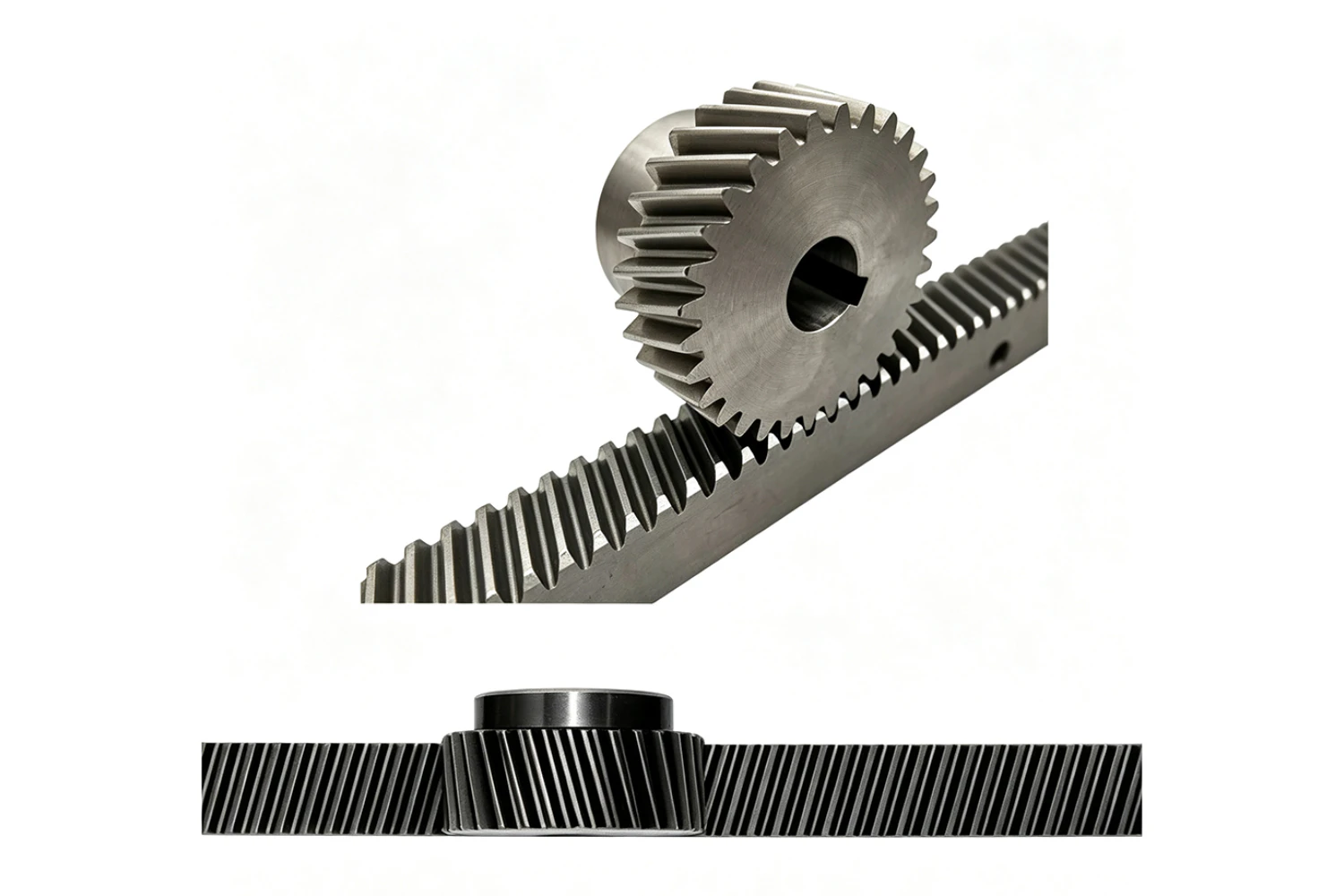
The key feature of a helical rack is its helix angle. The teeth are arranged at a specific angle. This allows the pinion and rack to engage and disengage progressively. It also helps maintain more continuous tooth contact.
Compared with spur racks, this structure provides a smoother meshing process. It helps reduce the impact caused by sudden tooth engagement. Continuous tooth contact also improves load distribution across the tooth surfaces. This contributes to more stable operation.
2. Rack-and-Pinion Meshing and Transmission
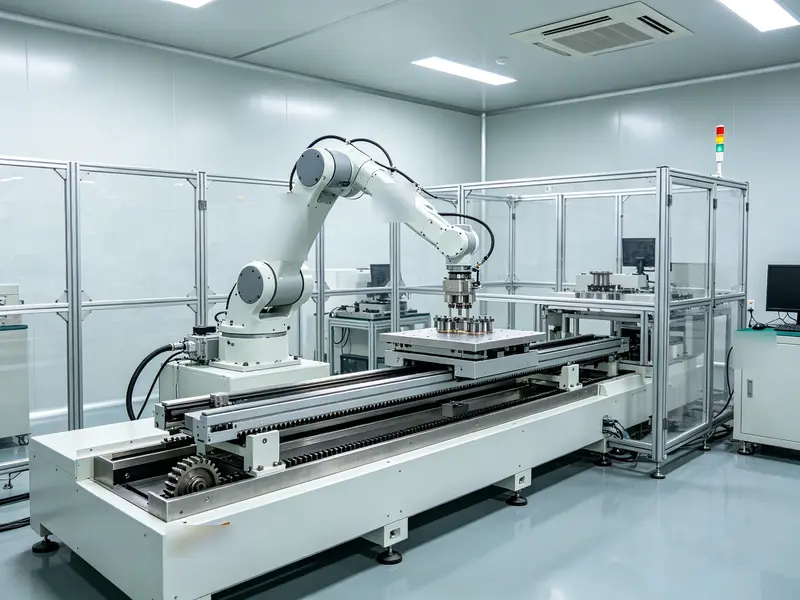
A helical rack is an important component of a rack-and-pinion transmission system. It is typically paired with a helical pinion. As the pinion rotates, its teeth drive the rack along a linear path. This converts rotary motion into linear motion.
During operation, the pinion and rack maintain stable engagement. The system can therefore provide precise position control. It is suitable for machinery requiring repeated positioning and continuous linear movement.
3. Continuous Meshing and Load Characteristics
The helical tooth arrangement allows the rack and pinion to enter and leave mesh progressively. They do not engage instantaneously. Multiple tooth surfaces can therefore share the transmitted load during operation.
Compared with spur racks, helical racks can provide better load distribution. They can also reduce stress concentration on individual teeth. This helps lower vibration and operating noise. It also improves the smoothness and stability of the transmission system.
4. High-Precision and Long-Term Operating Performance
Helical racks can meet the requirements of automation equipment, CNC machine tools, and robotic systems. Key factors include tooth profile accuracy, tooth pitch accuracy, and mounting dimensions. These factors affect positioning accuracy and repeatable motion control.
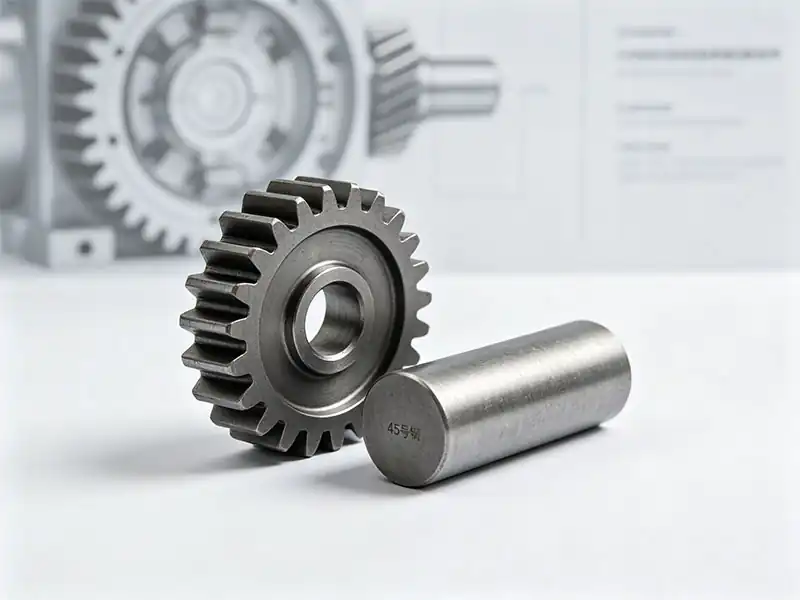
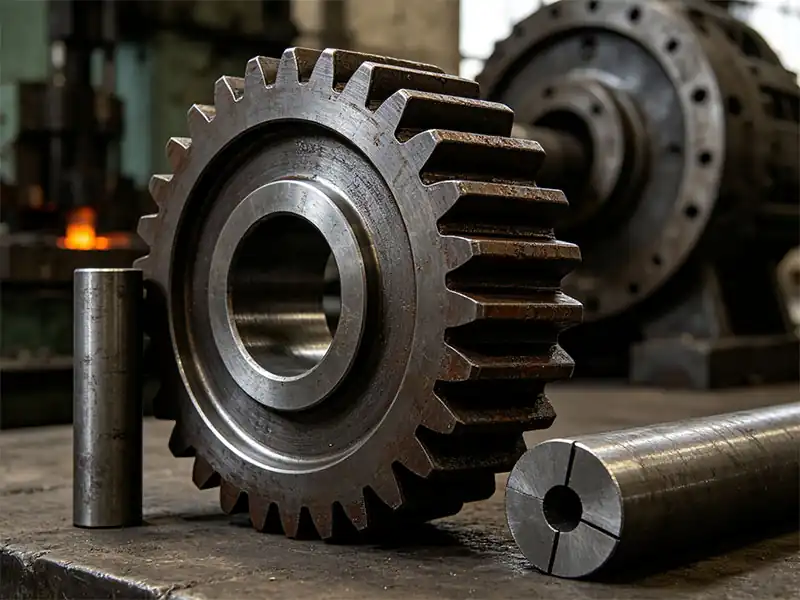
Materials can be selected according to operating conditions and load requirements. Suitable heat treatment can also be applied to improve strength and wear resistance. This can support longer service life under appropriate operating conditions.
Proper tooth profile design is also important. Material selection and machining accuracy should match the application. Together, these factors help helical racks provide reliable performance in long-term industrial transmission systems.
 +86 184 3796 0706
 info@destinytrans.com