 +86 184 3796 0706
 info@destinytrans.com


| Parameter | Specification |
| Core Performance | Wear resistance, thermal stability, fatigue resistance |
| Material | Gray Cast Iron |
| Bore Finish | CNC Precision Finishing |
| Process | Sand Casting |

OEM / ODM
Custom from drawings, 3D models, or samples.
Focusing on the design, manufacturing processes, heat treatment techniques, and key quality control points for all types of standard and non-standard gears.
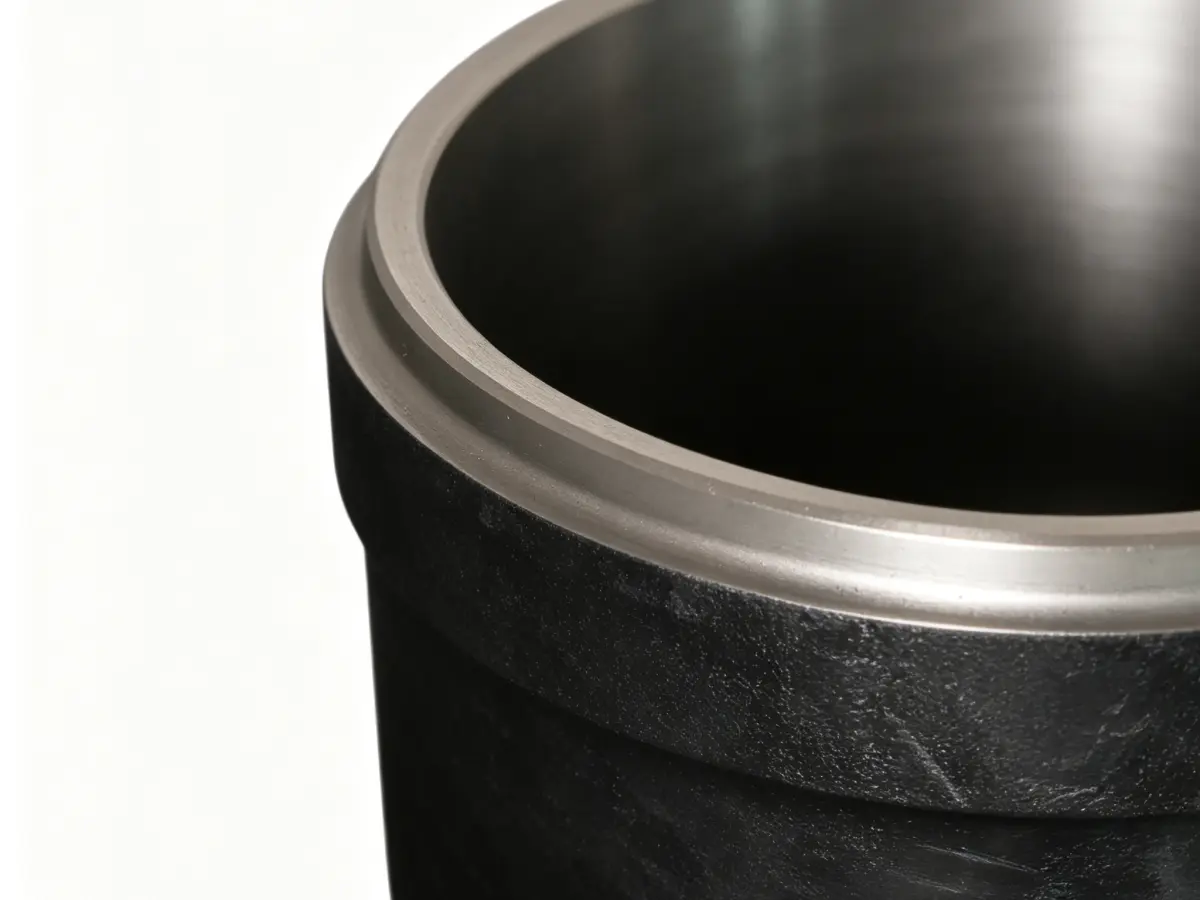
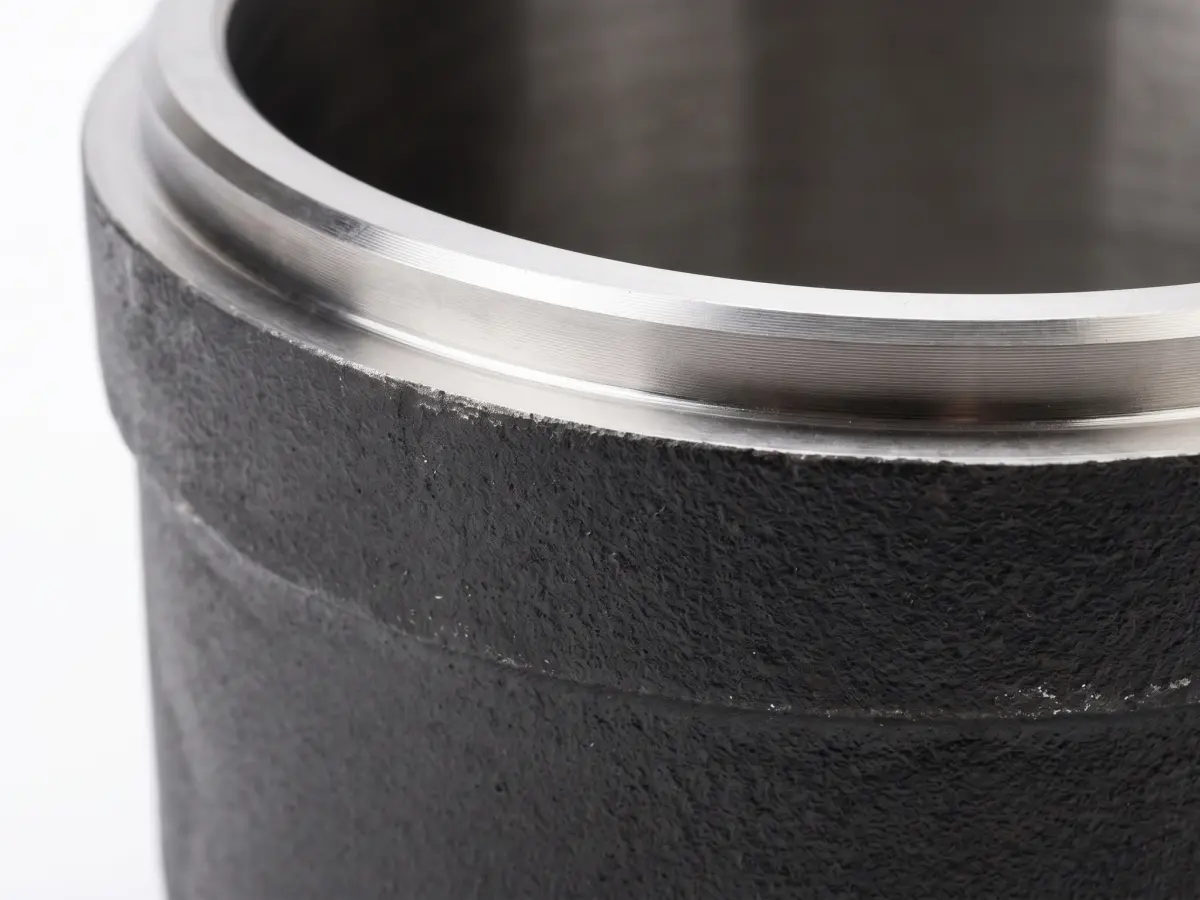
| Parameter | Specification |
| Core Performance | Wear resistance, thermal stability, fatigue resistance |
| Material | Gray Cast Iron |
| Bore Finish | CNC Precision Finishing |
| Process | Sand Casting |
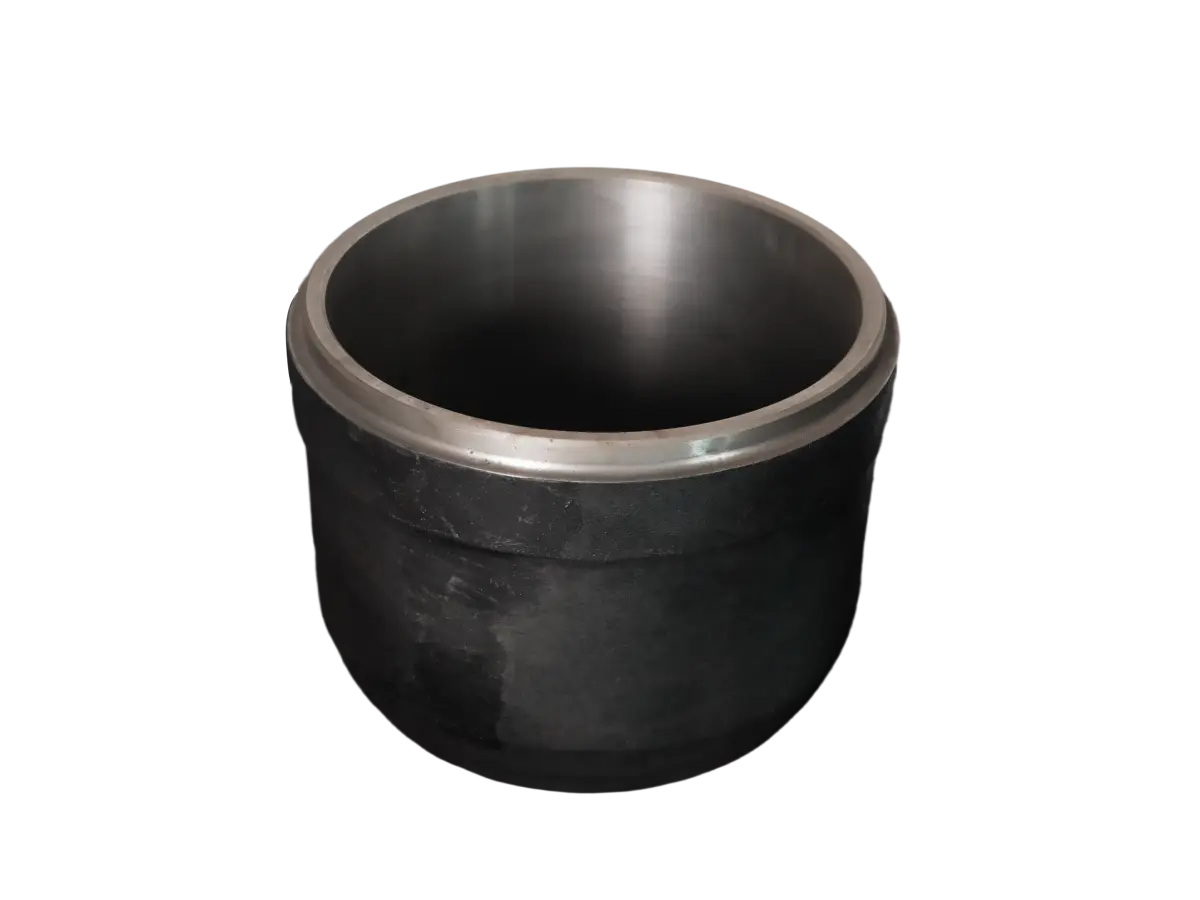
A brake drum is a major rotating component in a drum brake system. It is installed at the wheel position of heavy trucks, semi-trailers, buses and construction vehicles, where it works with brake shoes to generate braking force. During braking, the drum rotates with the wheel while the brake shoes expand outward and press their friction linings against the inner working surface of the drum, converting vehicle motion into heat through friction and slowing or stopping the wheel.
As an important wear component in commercial vehicle drum brake systems, the inner working surface gradually wears during repeated braking and requires replacement when the specified wear limit is reached. This brake drum is produced from gray cast iron by sand casting, with the inner friction surface CNC-finished for dimensional and surface consistency. The casting structure and manufacturing process are controlled to support wear resistance, thermal fatigue resistance and stable performance under heavy-duty operating conditions.
2.1 Gray Cast Iron Material & Wear Resistance
The brake drum is cast in one piece from gray cast iron, with the specific grade available according to the customer drawing or technical specification. The flake graphite in gray cast iron can contribute to favorable friction and vibration characteristics, while the material also provides good thermal conductivity for the heat generated during braking. For heavy trucks and other demanding commercial vehicle applications, material selection and casting quality control are used to balance wear resistance, strength and thermal stability.
Under frequent braking conditions, the brake drum must continuously handle heat generated by friction. Gray cast iron offers good heat-transfer and thermal-capacity characteristics, helping move heat through the drum wall toward the outer surface for dissipation. Actual operating temperature depends on vehicle type, load, speed, braking frequency and environmental conditions, so the material grade and performance requirements should be specified according to the customer’s application and technical requirements.
2.2 Precision Bore Finishing & Uniform Wall Thickness
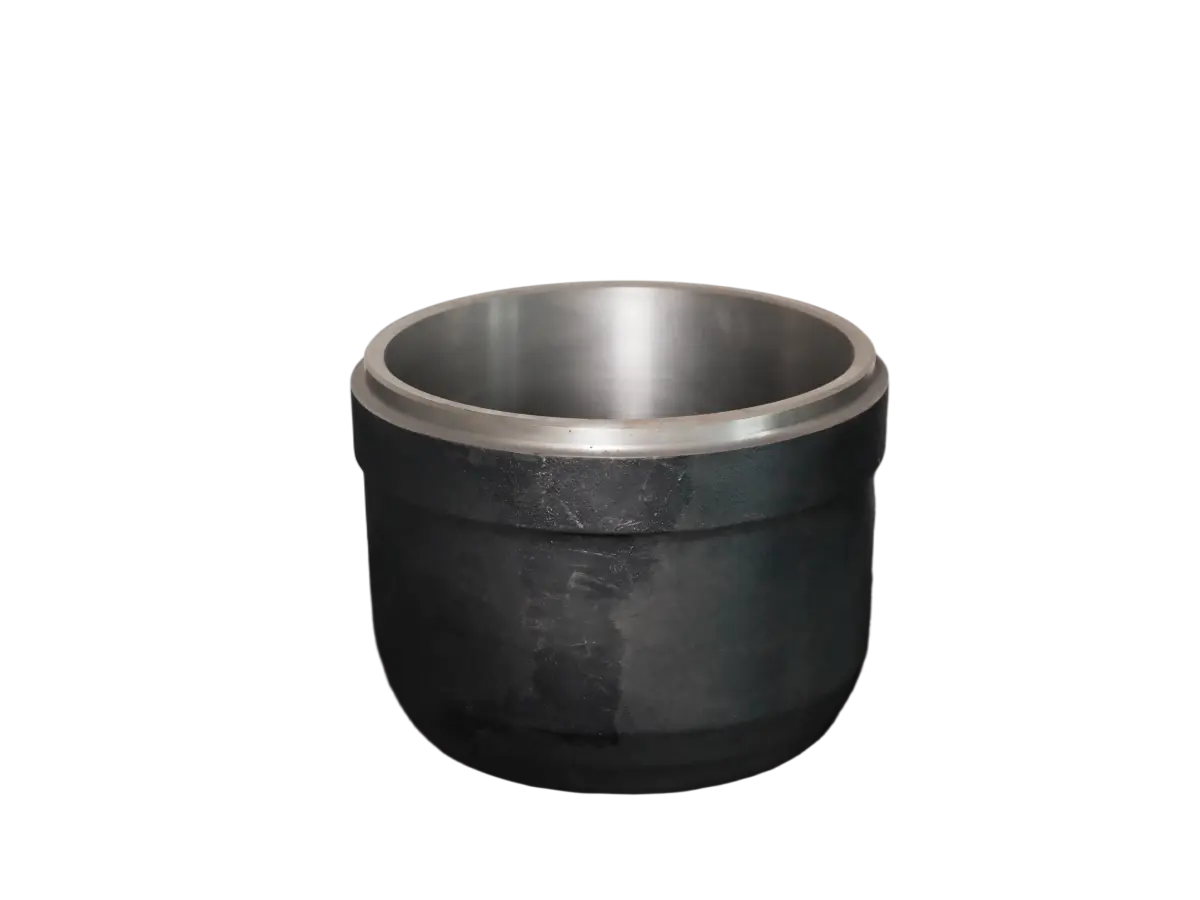
The inner friction surface is a critical functional area of the brake drum and is CNC turned and finish-machined to control bore diameter, roundness, concentricity and surface condition. Consistent machining accuracy helps maintain the required fit between the drum and brake shoes and reduce the risk of abnormal wear, vibration and noise caused by dimensional or geometric deviations. Final dimensions and machining tolerances are produced according to the customer drawing and matching requirements.
Wall-thickness uniformity also affects the drum’s thermal behavior and dimensional stability. Casting process control combined with subsequent machining helps reduce the influence of local wall-thickness variation on thermal expansion and bore deformation, providing a stable structural basis for heavy-duty and frequent-braking applications.
2.3 Thermal Crack & Fatigue Resistance
Brake drums are subject to combined mechanical and thermal cycling loads during service. Repeated braking causes the inner working surface to heat and cool repeatedly, generating thermal stress and thermal fatigue. Appropriate casting design, material control and quality management help reduce the impact of casting defects such as shrinkage and cracks, while supporting structural durability under heavy loads and frequent braking.
The reinforcing ribs on the outer surface provide structural stiffness while contributing to heat dissipation by increasing the effective cooling area. The manufacturing process focuses on controlling casting quality, material structure and critical dimensions to support thermal crack resistance, thermal stability and fatigue performance. Specific performance criteria can be inspected and confirmed according to customer drawings, material standards and testing requirements.
Brake drums are used on heavy trucks, semi-trailers, buses and selected construction vehicles equipped with drum brake systems. Key selection parameters include the inner bore diameter, mounting pitch circle diameter (PCD), bolt-hole count, overall height and critical wall thickness, ensuring compatibility with the brake shoes, wheel hub and available installation space. Final dimensions should be confirmed against the vehicle model, customer drawing or complete brake assembly requirements.
As typical wear components, brake drums are commonly replaced in the commercial vehicle aftermarket according to vehicle model, axle and brake-system specifications. Dimensions, material grade and machining requirements can be customized to customer drawings or technical specifications. The product is suitable for OEM supply and aftermarket replacement, with material test reports, dimensional inspection reports and hardness reports available as required. Drawings, samples or detailed specifications are welcome for confirmation.
| Parameter | Specification |
| Material | Gray Cast Iron (grade according to customer drawing/specification) |
| Casting Process | Sand Casting, one-piece |
| Machining | CNC precision machining of inner bore and required mating surfaces |
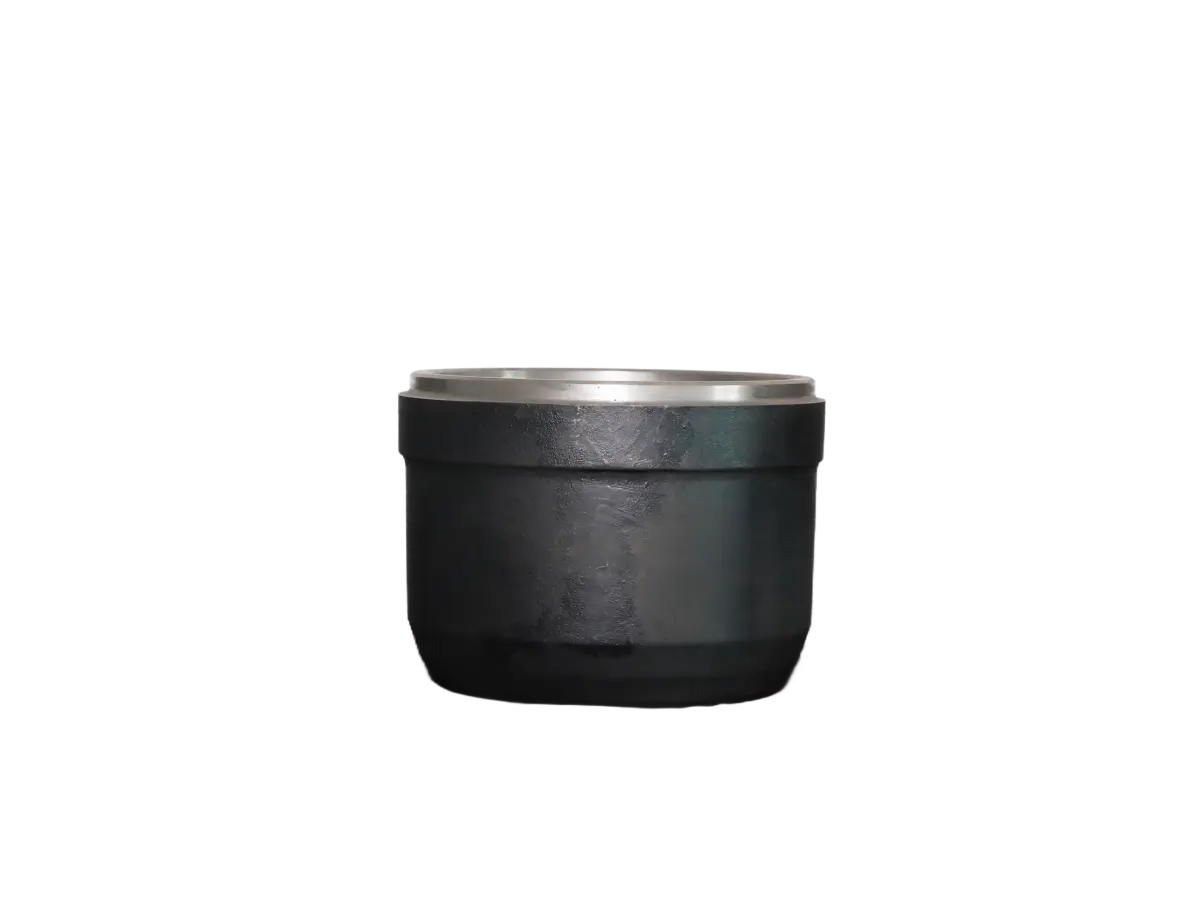
| Structure | Cylindrical drum with reinforcing ribs, open top |
| Surface Finish | Inner bore: CNC-machined surface; outer body: as-cast surface |
| Core Performance | Wear resistance, thermal stability, thermal crack resistance and fatigue resistance |
| Function | Rotating component of a drum brake system |
| Application | Wheel position, working with brake shoes |
| Part Type | Wear component requiring replacement when the applicable limit is reached |
| Weight | According to drawing and product specification |
| Machining Capability | CNC turning, boring and finish machining of friction surfaces |
| Inspection Equipment | Spectrometer, metallographic microscope, hardness tester, ultrasonic flaw detector |
| Delivery Documents | Material test report, dimensional inspection report and hardness report |
Custom from drawings, 3D models, or samples.

Casting structure evaluation and process design.
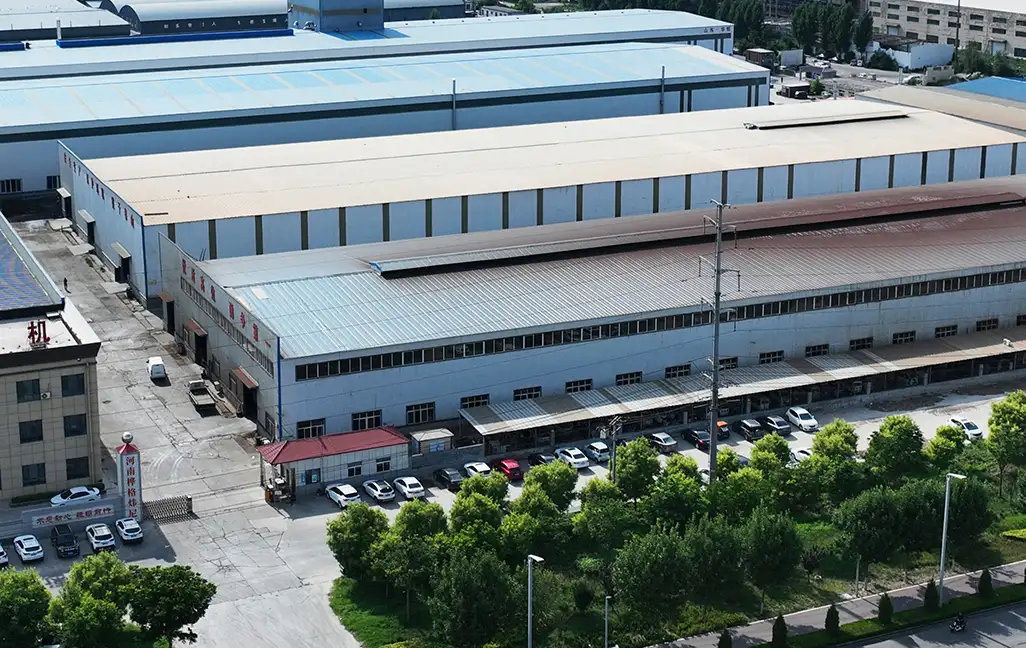
Integrated casting and CNC machining. Annual output: 50,000 tons.
Inspection reports with each delivery.
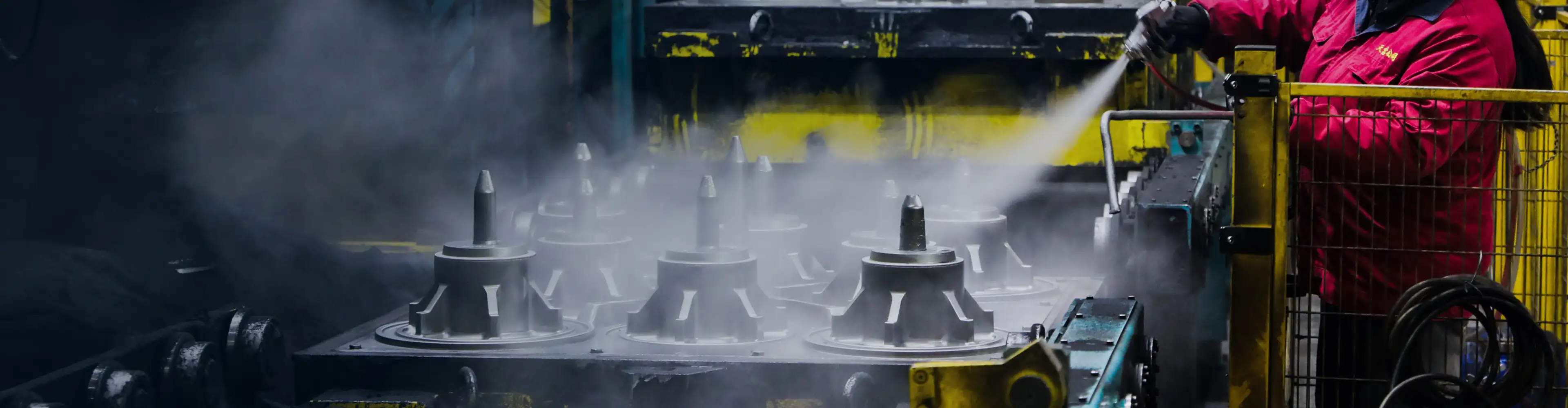
Scrap steel and iron auto-fed into furnaces, sorted by material grade.
CNC-machined steel/aluminum patterns and sand-pressed foam cores for lost foam process.
Three furnaces alternate for continuous melting with manual and secondary slag removal.
Sand-compacted molds closed and poured; foam cores vaporize as iron fills cavity.
Cooling, de-sanding, grinding, shot blasting, CNC finishing; optional painting and heat treatment.
Spectral, dimensional, mechanical, and load testing; palletized with strapping and film.
In-house casting and CNC machining eliminate coordination overhead between foundry and machine shop, ensuring tighter dimensional control and faster turnaround from pattern to finished part.
Every batch ships with material test reports, dimensional inspection records, and hardness data. Full traceability from incoming material to finished casting with retained samples per batch.
Controlled melting parameters, real-time spectral analysis, and standardized molding procedures ensure consistent mechanical properties and dimensional accuracy across production batches.
Full customization of patterns, text, and reinforcing structures. Exported to 9 countries including Spain, Israel, Jordan, Egypt, Algeria, Malaysia, Thailand, Japan, and Mexico. 7.74M RMB export value in 2023.
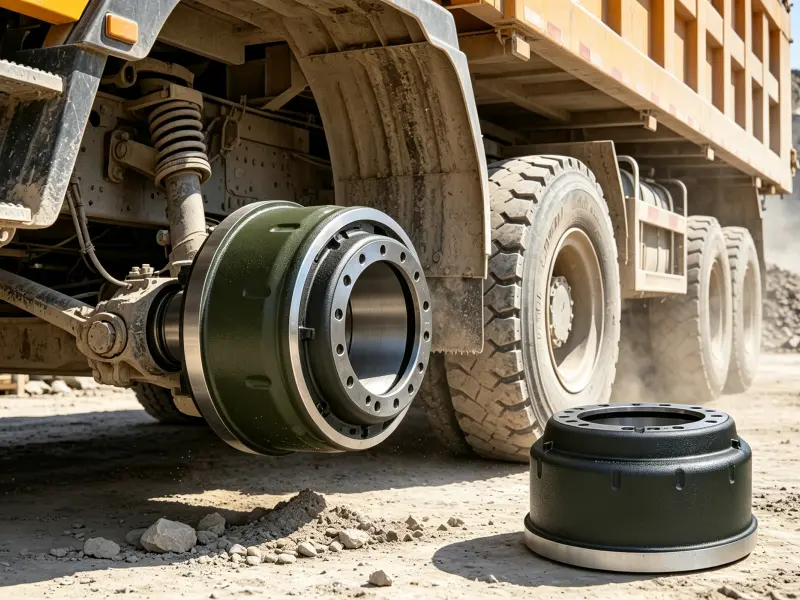
Brake drums are common replacement components in the heavy truck aftermarket. They are replaced when the inner working surface reaches the applicable wear limit, making accurate dimensions and reliable machining important for maintenance and repair procurement. Gray cast iron construction and CNC-finished inner bores support consistent replacement quality for fleet and workshop applications.
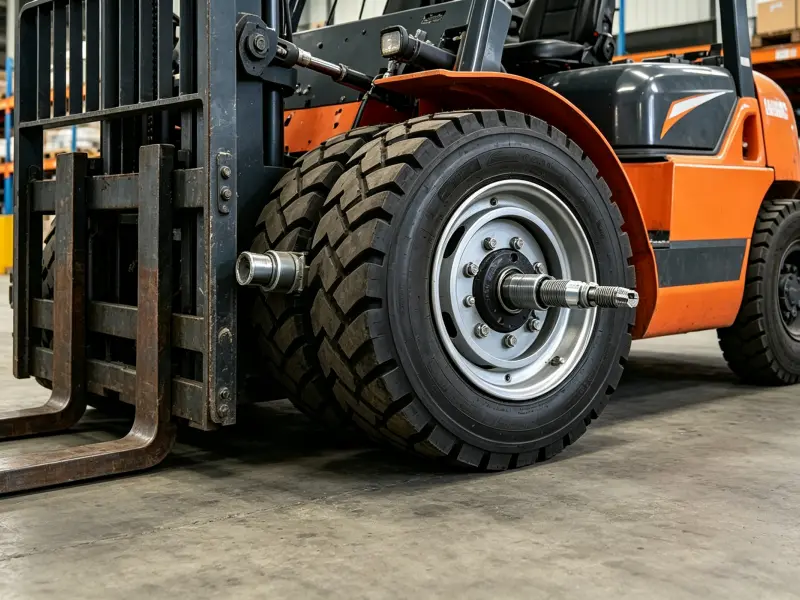
Brake drums are widely used in semi-trailer axles and trailer brake systems. Long-haul and heavy-load trailer applications subject the braking system to repeated thermal and mechanical loads, particularly on downhill sections and in stop-and-go traffic. Controlled casting quality, bore machining and structural design support stable performance for trailer brake applications.
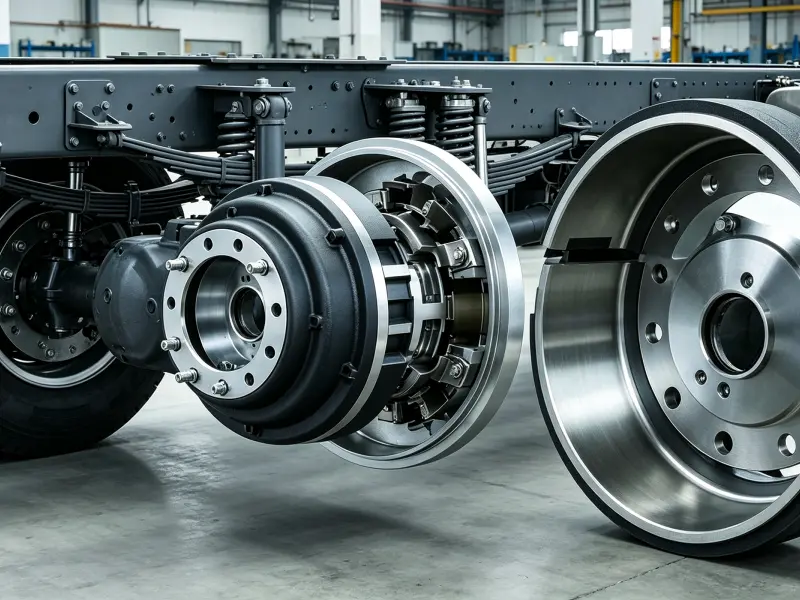
Brake drums for city buses and coaches are exposed to frequent braking cycles and repeated heat generation. Consistent inner-bore machining, suitable gray cast iron and controlled casting quality help support dimensional stability and service reliability in intensive fleet operation. Specifications can be matched to the applicable axle and brake system.
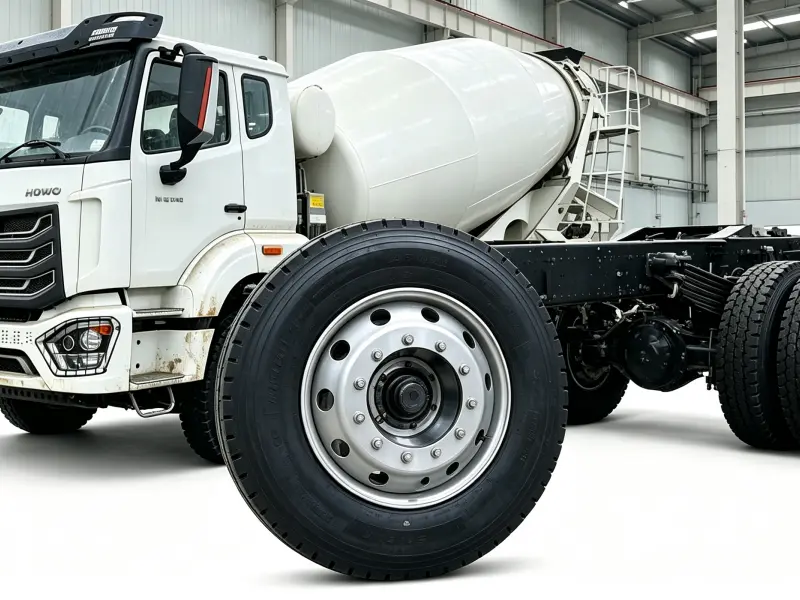
Brake drums can be used on construction vehicles, dump trucks and mining haul trucks equipped with compatible drum brake systems. Heavy loads, uneven roads, dust and repeated braking place additional demands on the casting structure and working surface. Material selection, casting quality control and customized dimensions can be adjusted to the requirements of specialized vehicle applications.
Yes. We support OEM/ODM from 2D/3D drawings or physical samples, including material and machining customization.
New samples usually ship in 25-45 days including pattern making, casting, and inspection. Volume schedules are confirmed after process freeze.
Main products include ductile iron manhole covers, grates, textile machine parts, excavator bucket teeth, valve castings, automotive parts, and gear reducer housings, manufactured to GB/T 23858-2009 and GB/T 25628-2010. Materials cover gray iron, ductile iron, and cast steel.
Yes. Equipped with F20 spectrometer, metallographic microscope, hardness tester, universal testing machine, and manhole cover pressure tester. Chemical composition, dimensional, hardness, and material certificates included.
MOQ depends on casting complexity and tooling requirements. Sample orders are accepted. Contact us with your drawings for a specific quotation.
Castings are stacked on wooden pallets with strapping; premium painted products are wrapped with protective film. Packaging is customized to product size and shipping requirements. Quality issues are addressed within 48 hours with repair, replacement, or refund solutions.