Gear

Focusing on the design, manufacturing processes, heat treatment techniques, and key quality control points for all types of standard and non-standard gears.

External Spur Gear

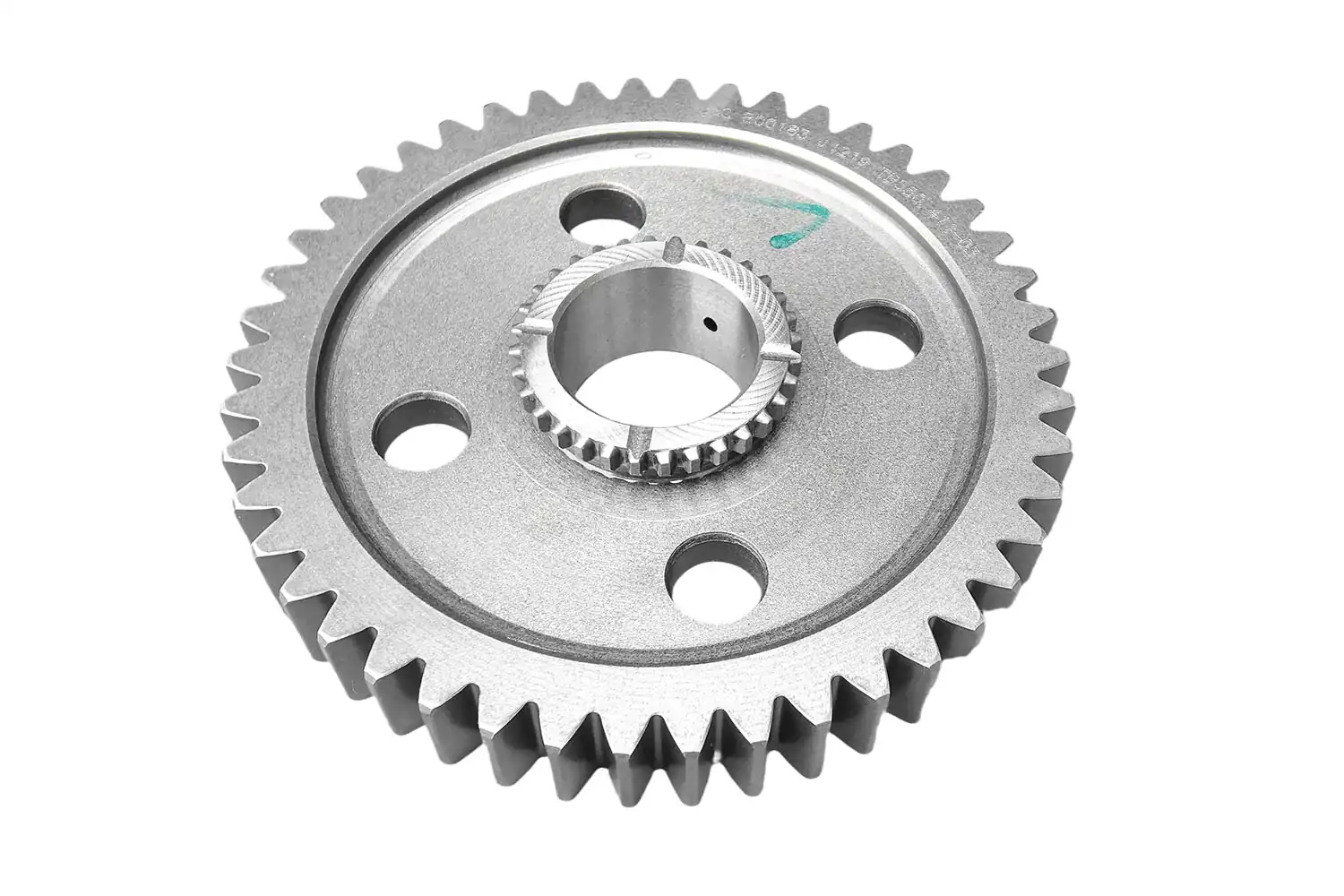
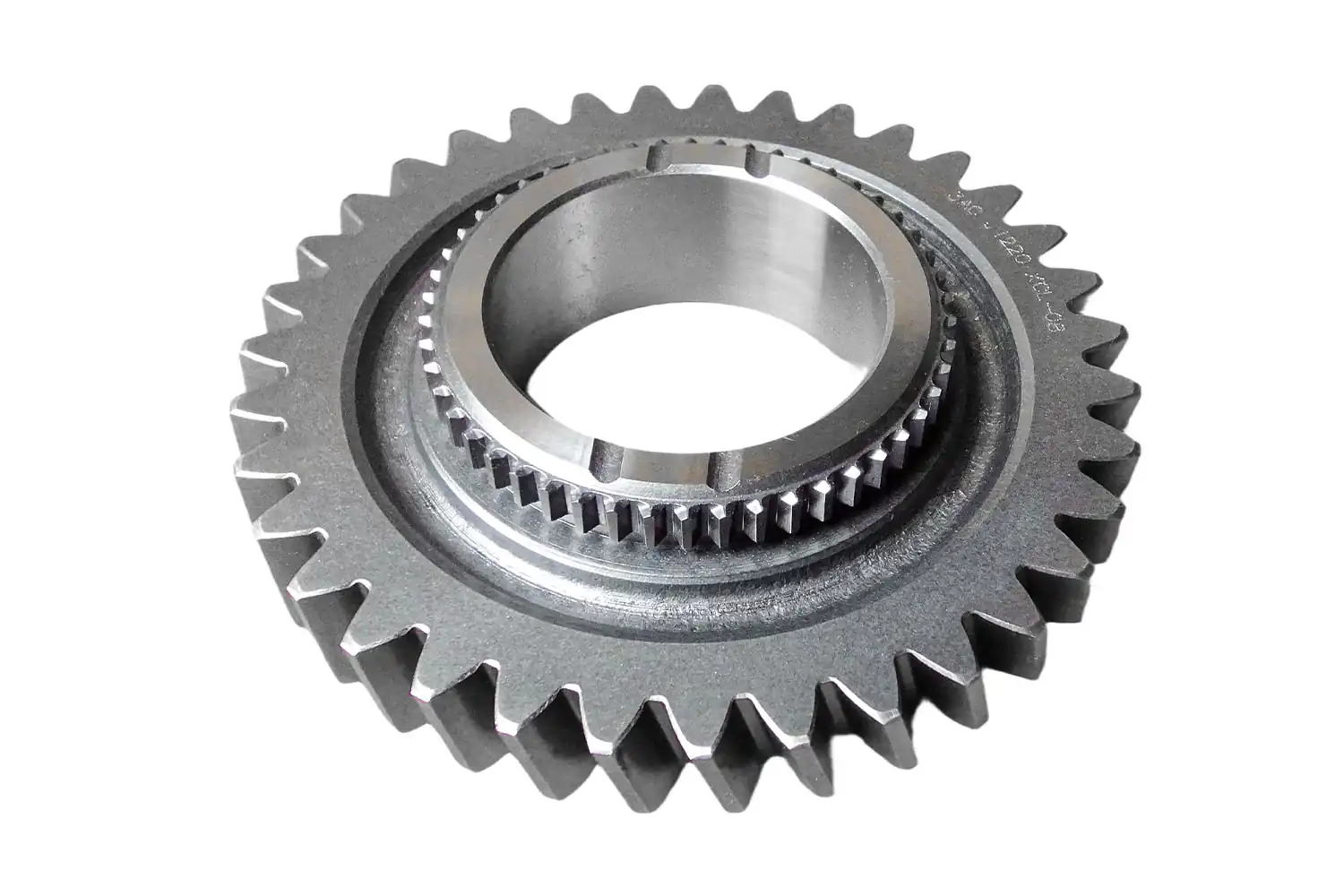
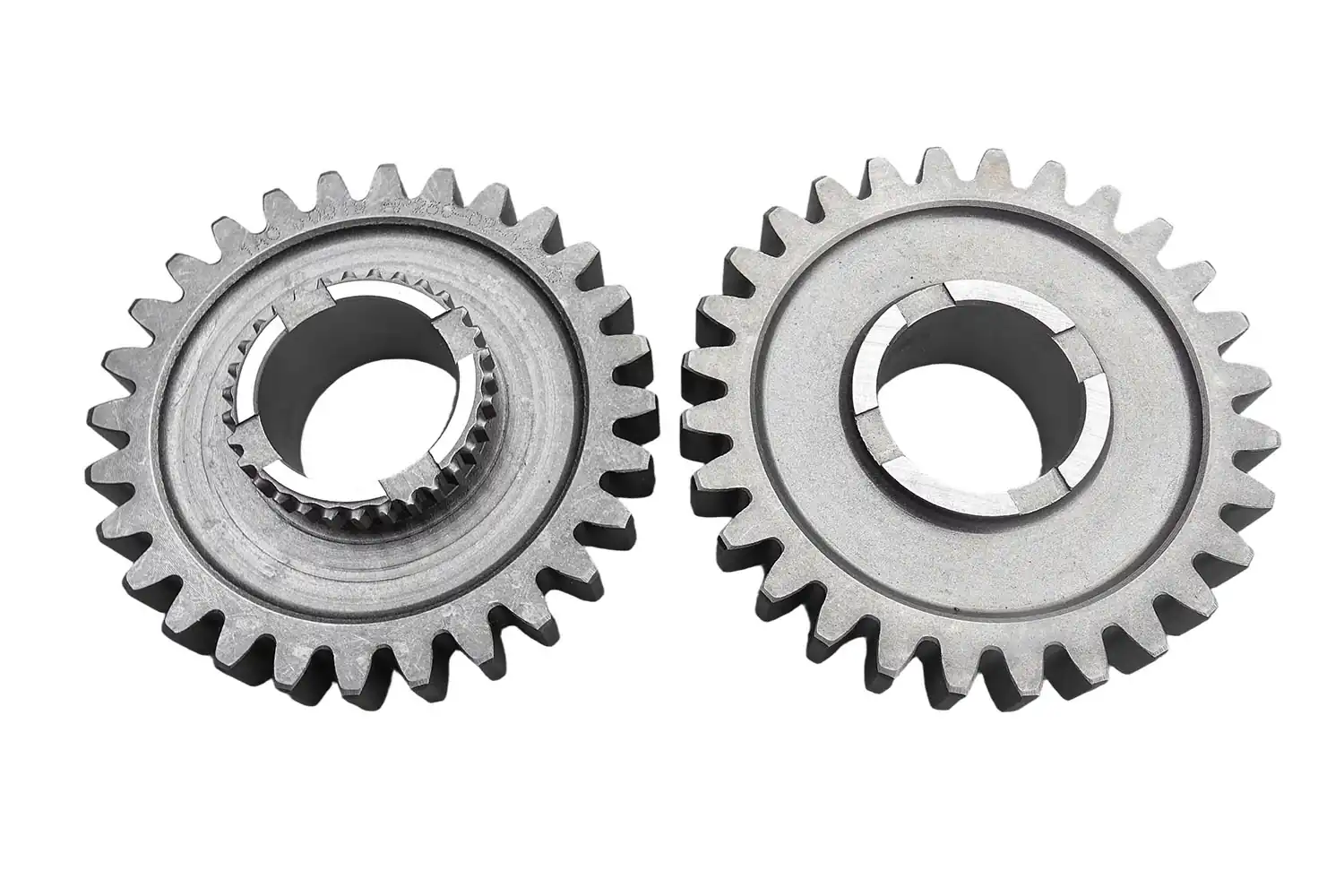
External spur gears, commonly referred to simply as spur gears, are the most basic and widely used cylindrical gear type in industrial applications, featuring simple structure, low manufacturing cost and strong versatility.
Parameter Full Range
Module / Diametral Pitch Range M1 – M25 / DP 1 – DP 25
Accuracy Class GB/T 10095 Class 4–8Equivalent to AGMA Class 10–14 / ISO Class 4–8
Max. Outside Diameter ≤ 1000 mm
Number of Teeth Range Z10 – Z250

Product Description

1. What is an External Spur Gear

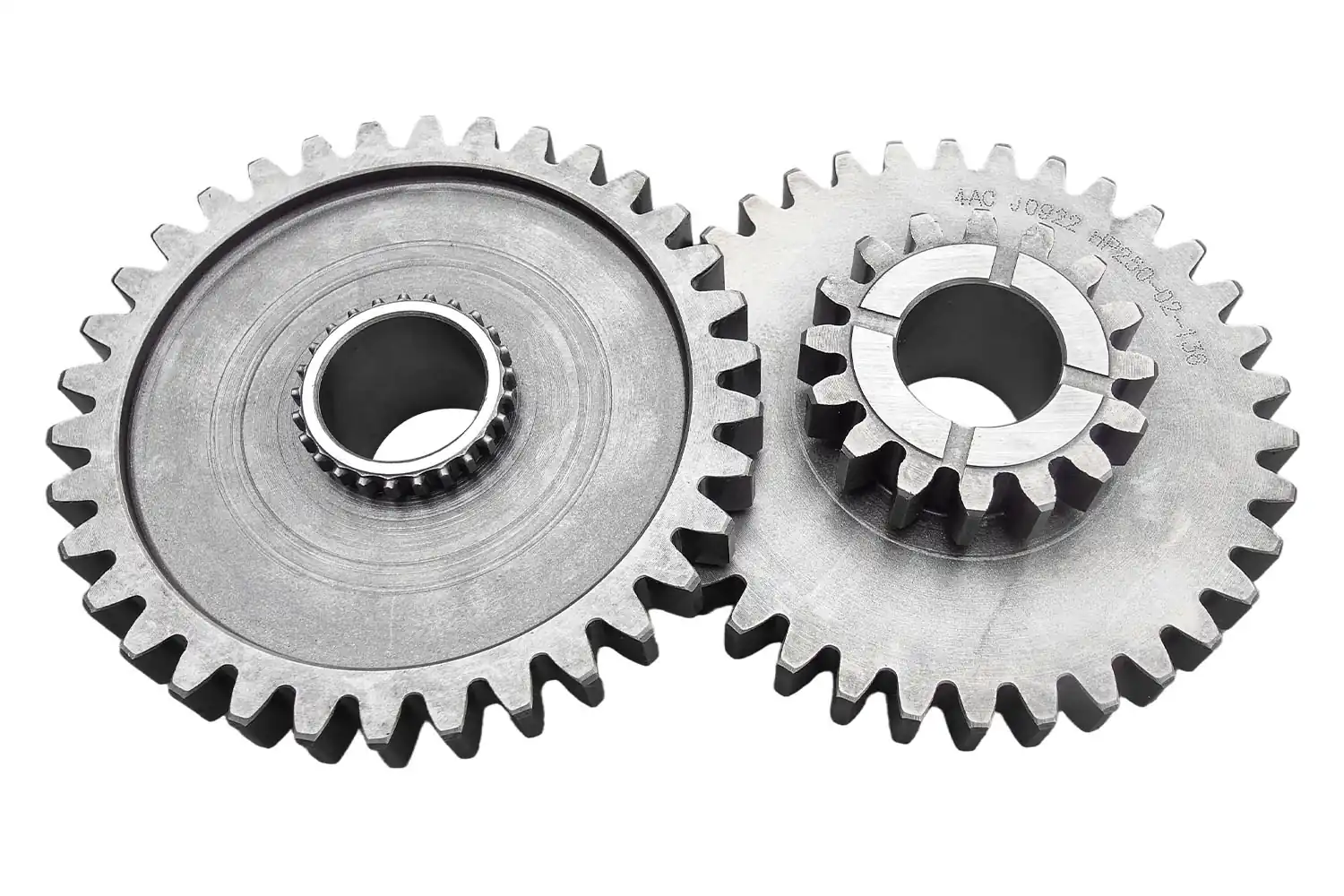
An external spur gear, whose full name is external-meshing spur cylindrical gear, is the most basic and most widely applied type of spur cylindrical gear in industrial practice. Its teeth are evenly distributed on the outer circumferential surface of the cylindrical body, with the tooth trace completely parallel to the gear axis. When used in pairs, it meshes externally with another external gear to transmit power and motion between two parallel shafts, and the two shafts rotate in opposite directions after meshing.

In daily industrial contexts, the term “spur gears” almost always refers to external spur gears by default. Among all gear types, they feature the simplest structure, the lowest manufacturing cost and the strongest versatility.


2. Core Structure and Transmission Characteristics

 2.1 Tooth Profile and Tooth Trace Design

The industry universally adopts an involute tooth profile, which ensures a constant transmission ratio and offers good tolerance for minor deviations in installation center distance. The supporting hobbing and gear shaping cutters are highly standardized, granting finished products strong interchangeability. A pressure angle of 20° is the current general specification under national standards, while the 14.5° non-standard specification was commonly used in early imported equipment and older machine tools.

With the tooth trace fully parallel to the axis, no axial thrust is generated throughout the meshing process. No additional thrust bearings are required, which simplifies the housing structure and assembly workflow, and cuts maintenance costs.

 2.2 Meshing Transmission Rules

It adopts an external meshing transmission form. Paired gears mesh tangentially on the outer side, and the transmission center distance equals the sum of the pitch circle radii of the two gears. The input shaft and output shaft rotate in opposite directions.

Compared with internal meshing structures, external meshing delivers better heat dissipation and allows more convenient daily inspection of tooth surface wear and grease replenishment. It is compatible with both enclosed gearboxes and open exposed transmission scenarios.

 2.3 Transmission Efficiency Performance

Its mechanical transmission efficiency can reach 98%–99%, ranking in the top tier among all gear transmission types. On one hand, sliding friction loss between involute tooth surfaces is minimal; on the other hand, there is no additional bearing friction caused by axial thrust. Its overall energy efficiency outperforms helical gears of the same accuracy grade, and is far superior to worm gear and bevel gear transmissions, making it suitable for medium and low speed transmission systems with energy-saving requirements.

 2.4 Performance Limitations and Working Condition Adaptability

The teeth engage and disengage synchronously across the full face width, and loading and unloading on the tooth surface occur instantaneously. At high operating speeds, this easily causes impact, vibration and meshing noise, and long-term high-frequency impact will accelerate tooth root fatigue.

For this reason, external spur gears are more suitable for medium and low speed working conditions with stable loads. For scenarios involving high speed, heavy loads and strict noise requirements, helical gear solutions are generally the first choice.

Parameter Information

Parameter

Standard Mass-Production Model
(General Service)

High-Precision Custom Model
(Precision Transmission)

Core Dimensional Specifications
Module / Diametral Pitch Range M1 – M25 / DP 1 – DP 25 M1.5 – M12 / DP 2 – DP 16
Number of Teeth Range Z10 – Z250 Z12 – Z150
Max. Outside Diameter ≤ 1000 mm ≤ 800 mm
Face Width Range ≤ 300 mm ≤ 250 mm
Bore Diameter Range φ10 mm – φ400 mm φ12 mm – φ300 mm
Secondary Machining Keyways, splines, stepped bores and tapped end-face holes can be machined in the same setup All operations completed in a single setup, strictly ensuring concentricity
Tooth Profile & Accuracy Specifications
Tooth Profile Standard Involute profile; both metric and inch standards supported Involute profile; custom non-standard profiles available
Standard Pressure Angle 20° (default); 14.5° / 15° available on request 20°; non-standard angles such as 14.5° / 15° / 22.5° available
Accuracy Class GB/T 10095 Class 7–8
equivalent to AGMA Class 10–11 / ISO Class 7–8
GB/T 10095 Class 4–6
equivalent to AGMA Class 12–14 / ISO Class 4–6
Profile Modification Standard profile Tip relief and lead crowning available
Tooth Surface Roughness Ra 3.2 – 6.3 μm Ra 0.8 – 1.6 μm
Remarks The above are the standard machining parameter ranges for our external spur gears. Special sizes and non-standard structures can be custom-made from your drawings.
For a quotation, please provide module, number of teeth, outside diameter, material, accuracy class and quantity; we will reply with an exact quote within 12 hours.

Standardized Production Process Flow

  1. Blank Forging & Normalizing

    High-quality blanks are forged and normalized to eliminate internal stress and stabilize material structure.

    01
  2. 02
    Precision Gear Machining

    Turning, milling and hobbing/shaping are applied to form the target tooth profile with strict accuracy control.

  3. Heat Treatment Strengthening

    Carburizing quenching or tempering processes to improve tooth surface hardness and core toughness.

    03
  4. 04
    Precision Grinding Finishing

    Grinding of tooth flanks, bores and datum faces to correct deformation and enhance meshing precision.

  5. Comprehensive Final Inspection

    Full-dimensional verification by gear measuring center and CMM to qualify products before release.

    05
  6. 06
    Anti-rust Packaging & Delivery

    Professional anti-rust and protective packaging to keep products intact during storage and transit.

Core Advantage

Ultra-Silent Transmission

High-precision gear grinding delivers tooth surface roughness as low as Ra 0.4, with tight meshing, low vibration and noise for smoother equipment operation.

Extended Service Life

Premium materials matched with precise heat treatment ensure wear-resistant tooth surfaces and impact-resistant core, cutting maintenance and replacement costs.

All-Condition Adaptation

Custom solutions for high-speed heavy load, corrosion resistance and food-grade scenarios, eliminating trial-and-error costs in product selection.

Cost-Effective & Reliable Delivery

Scaled production supports tiered pricing for bulk orders with consistent quality; full-process control guarantees stable lead time and complete after-sales support.

Get In Touch

Materials Guide

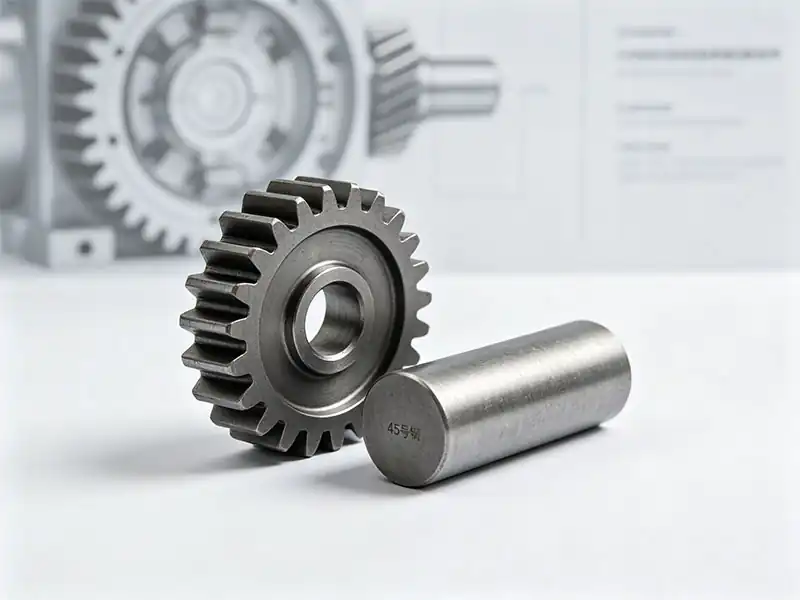
Quality Carbon Structural Steel

Quality Carbon Structural Steel

Representative: C45 Carbon Steel

Quality carbon structural steel has balanced mechanical properties, excellent machinability and high cost-effectiveness, and its tooth surface wear resistance can be enhanced via high-frequency quenching; it is the most widely used primary material for spur external gears, applicable to medium-low speed and medium load conditions, unsuitable for large-module heavy-load impact scenarios, and has no rust prevention capability.

Alloy Structural Steels

Alloy Structural Steels

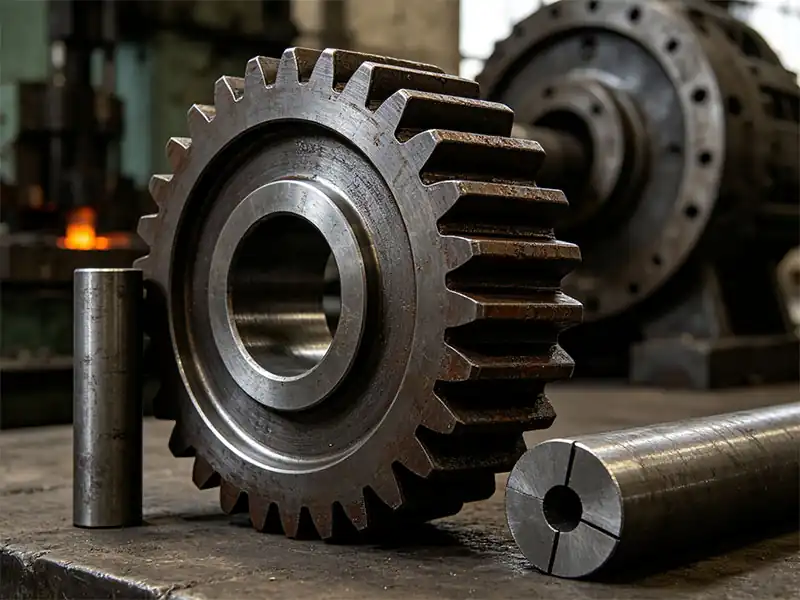
Representatives: 20CrMnTi, 40Cr, 20CrMo

Alloy structural steel has far better hardenability than carbon steel, and can achieve the performance combination of wear-resistant tooth surfaces and impact-resistant core after heat treatment; 40Cr fits medium-heavy loads, 20CrMnTi fits heavy-load impact conditions, applicable to heavy-load high-precision transmission scenarios such as construction machinery, and costs more than carbon steel.

Stainless Steels

Stainless Steels

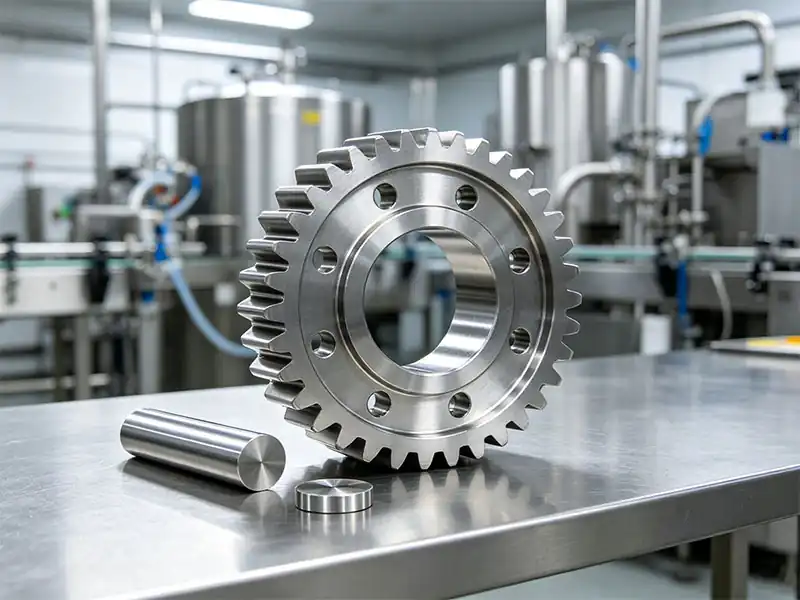
Representatives: 304 & 316 Stainless Steel

Stainless steel boasts excellent corrosion resistance and rust prevention performance, food-grade variants can meet clean production requirements, and 316 grade is adaptable to stronger acid-base corrosion conditions; it applies to light-load low-speed transmission in corrosive environments, with moderate mechanical strength and relatively high cost, and is unsuitable for high-speed heavy-load applications.

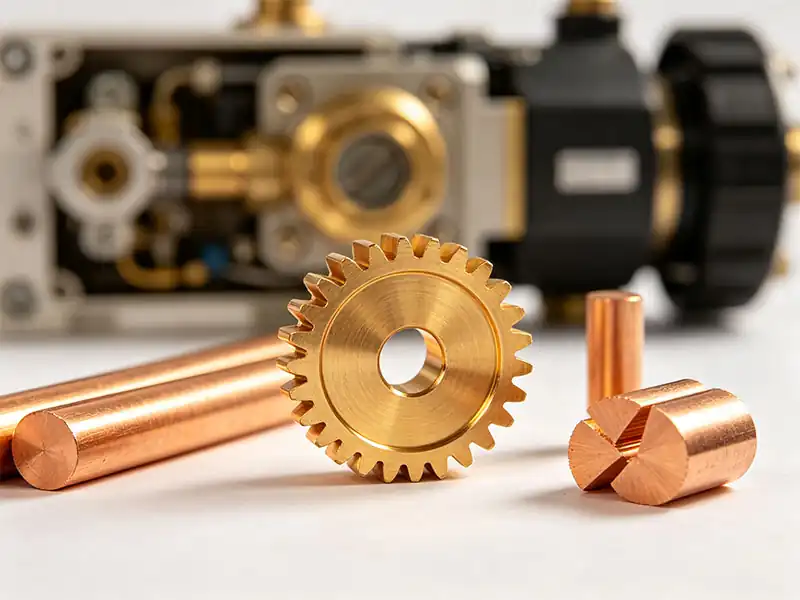
Copper Alloys

Copper Alloys

Representatives: Tin Bronze, Brass H62

Copper alloys have excellent antifriction performance, low transmission noise, corrosion resistance and non-magnetic properties, and their machining precision is easy to guarantee, with lower overall strength than steel; they apply to light-load, low-speed and small-module precision transmission scenarios, tin bronze features better wear and antifriction resistance and can adapt to higher-frequency transmission conditions.

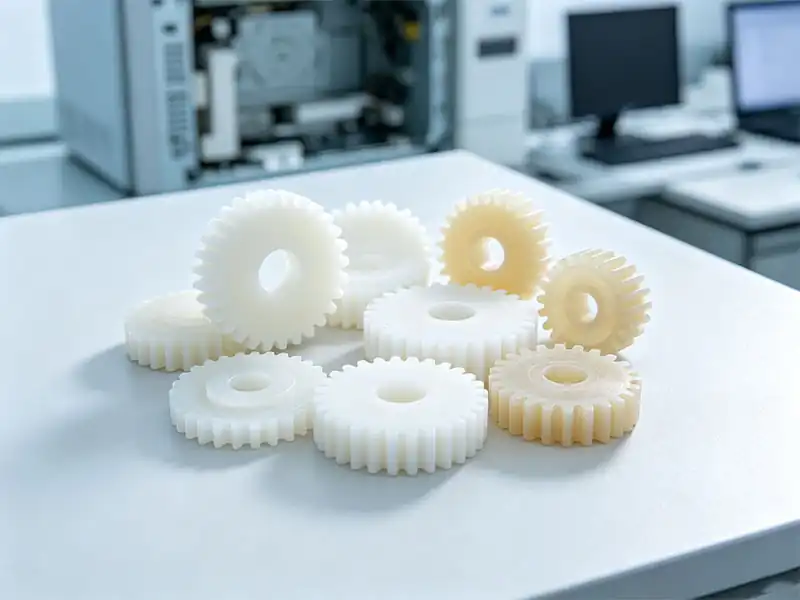
Engineering Plastics

Engineering Plastics

(Representatives: POM, PA66, PEEK)

Engineering plastics are light in weight, low in operating noise, inherently self-lubricating and corrosion-resistant; they fit light-load low-speed transmission and quiet maintenance-free scenarios, high-grade PEEK can adapt to high-temperature corrosive conditions, with poor load-bearing and temperature resistance, prone to creep under long-term load, and inferior dimensional stability to metal gears.

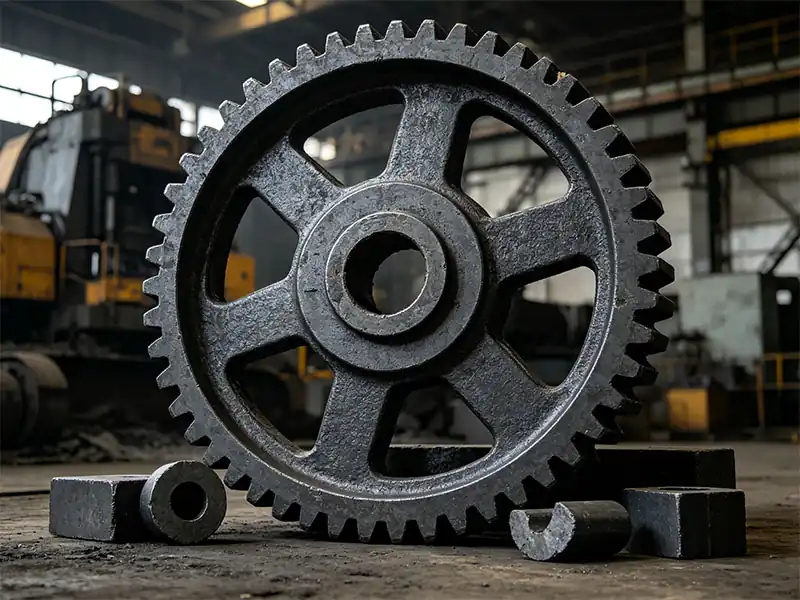
Cast Irons

Cast Irons

Representatives: Gray Cast Iron HT200, Ductile Iron QT450

Cast iron has excellent castability, low cost and outstanding vibration and noise reduction performance; gray cast iron has high brittleness and poor impact resistance, while ductile cast iron has better strength and toughness, applicable to low-speed stable large-scale transmission, ductile cast iron can adapt to heavy-load low-cost scenarios, and is prone to tooth breakage under impact conditions.

Typical Application Scenarios

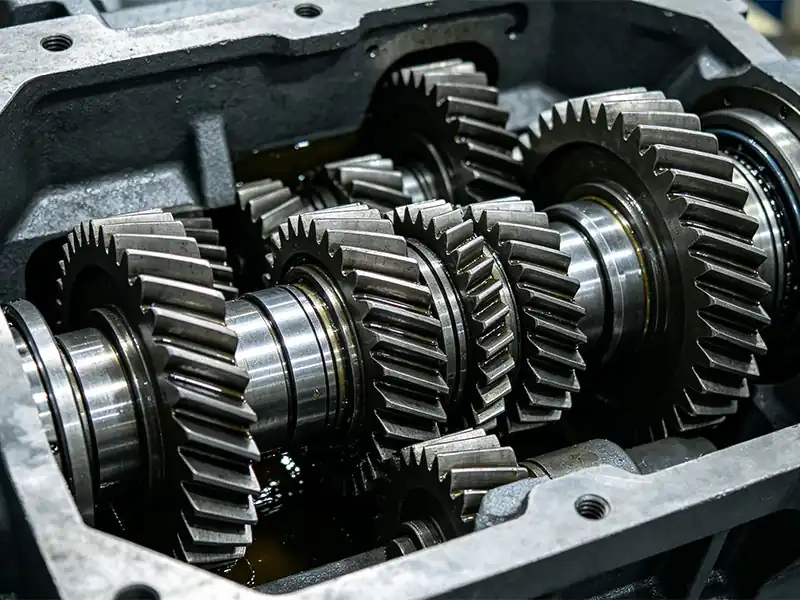
Industrial Gear Reducers and Gearboxes
01
Industrial Gear Reducers and Gearboxes

As the primary application scenario, they are mostly used in the low-speed reduction stages of parallel-shaft gear reducers and gear motors. Generating no axial force during transmission, they simplify the design of gear housings and bearings, with low costs for machining, maintenance and replacement. They are also widely adopted as large-module gears in open drives of mining mills, rotary kilns and other equipment.

Machine Tools and Metal Processing Equipment
02
Machine Tools and Metal Processing Equipment

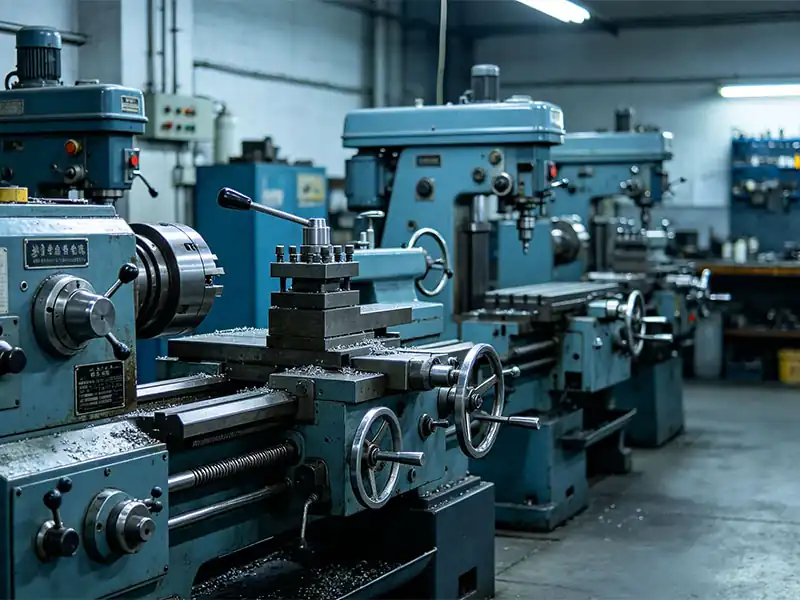
They are a standard configuration in the feed boxes and speed change mechanisms of common lathes, milling machines, drilling machines and other equipment. They provide accurate transmission ratios in medium and low speed ranges, with highly interchangeable spare parts. Machining and replacement can be completed on site in machine repair workshops, which fits the daily operation and maintenance demands of machine tools.

Automated Conveying and Production Lines
03
Automated Conveying and Production Lines

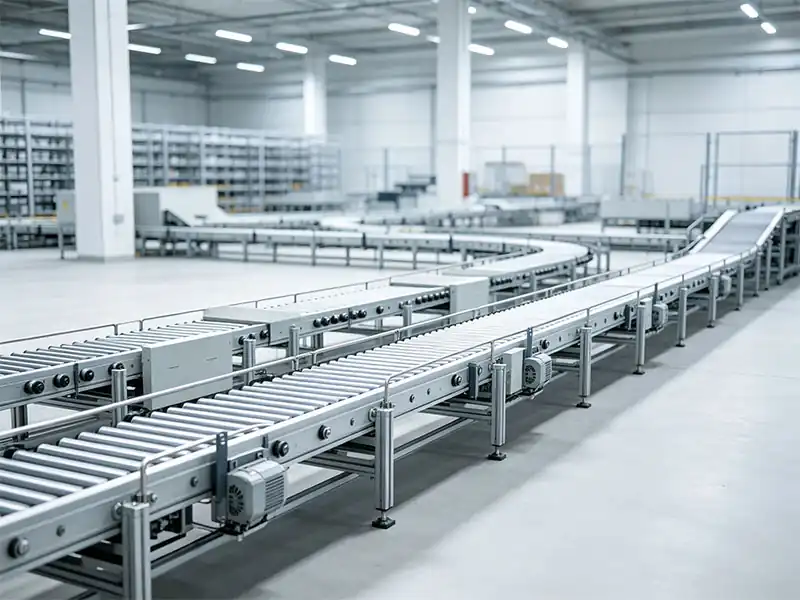
They are a common choice for the drive ends of conveyors, bucket elevators and sorting equipment. They feature low cost, sufficient stock and simple on-site replacement and maintenance, allowing quick replenishment upon damage. This adapts well to the production characteristics of assembly lines: continuous operation with high downtime losses.

Agricultural Machinery
04
Agricultural Machinery

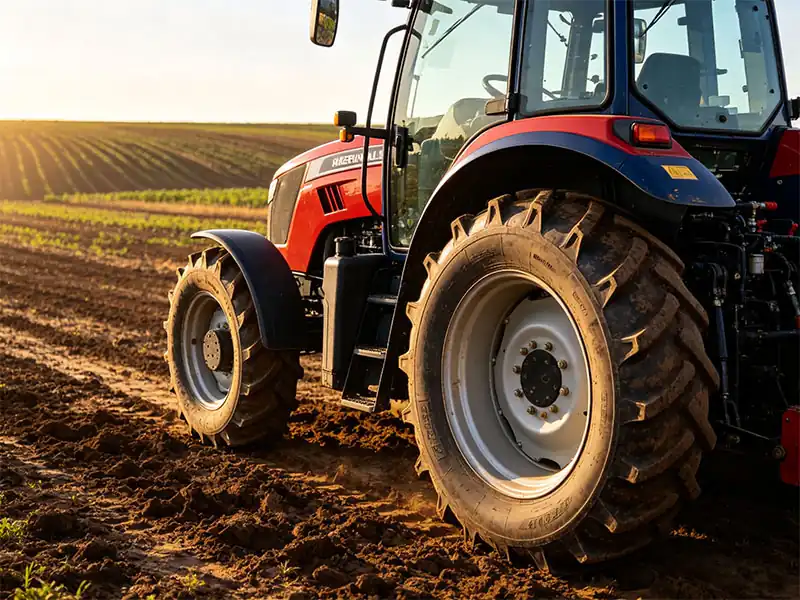
They are extensively applied in the travel mechanisms and power take-off (PTO) ends of tractors, combine harvesters, rotary tillers and other agricultural equipment. With a robust and durable structure, they adapt well to dusty operating environments with strong load impacts. The spare parts are low-cost, and repairs can be completed at local grassroots agricultural machinery stations.

Construction Machinery and Hoisting Equipment
05
Construction Machinery and Hoisting Equipment

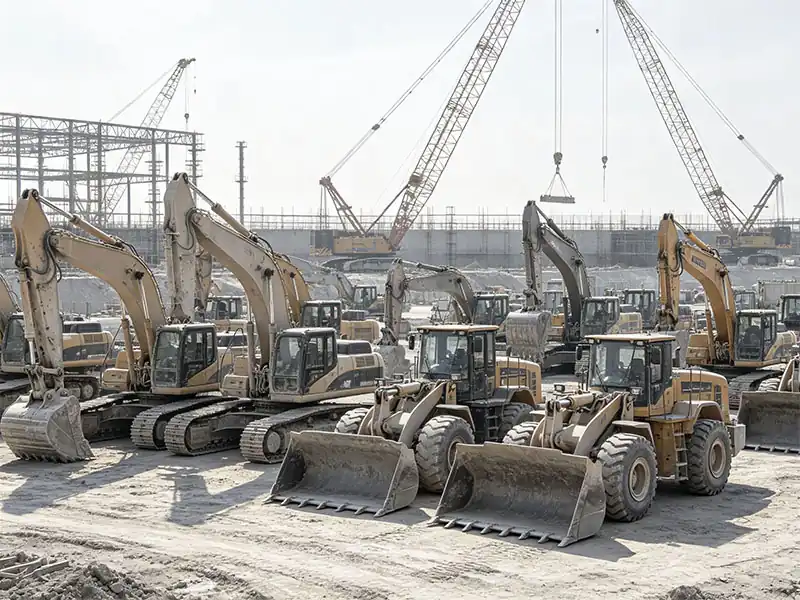
For the low-speed heavy-duty stages of excavators, cranes, winches and other equipment, large-module external spur gears made of alloy structural steel are commonly selected. They offer strong resistance to tooth root bending fracture, and the absence of axial force simplifies bearing loading conditions, ensuring higher reliability under heavy-duty impact working conditions.

Packaging, Food and Light Industry Machinery
06
Packaging, Food and Light Industry Machinery

Small and medium-module external spur gears are widely used in packaging machines, filling machines, textile machinery and other equipment. They deliver precise transmission ratios and are convenient to machine. When paired with stainless steel or engineering plastic materials, they meet the requirements of clean, moisture-proof and corrosion-resistant working conditions.

Logistics and After-Sales Service

Logistics Support

Professional Anti-Rust Packaging

Inner VCI vacuum anti-rust process fully seals tooth flanks and critical machined surfaces, effectively resisting salt spray and moisture during ocean and air freight to keep precision gears corrosion-free throughout long-distance transit.

Efficient & Traceable Delivery

We select cost-effective logistics channels with stable transit time and controlled costs. Full logistics tracking is available with real-time status updates to ensure reliable and punctual delivery.

After-Sales Support

1-Year Warranty

All products are covered by a 1-year warranty. Quality defects caused by non-human factors are fully guaranteed, removing your procurement concerns.

Prompt Response Service

Our professional technical and after-sales team is always available to respond quickly to inquiries and after-sales needs, and efficiently resolve issues during installation and operation.

Global logistics and shipping
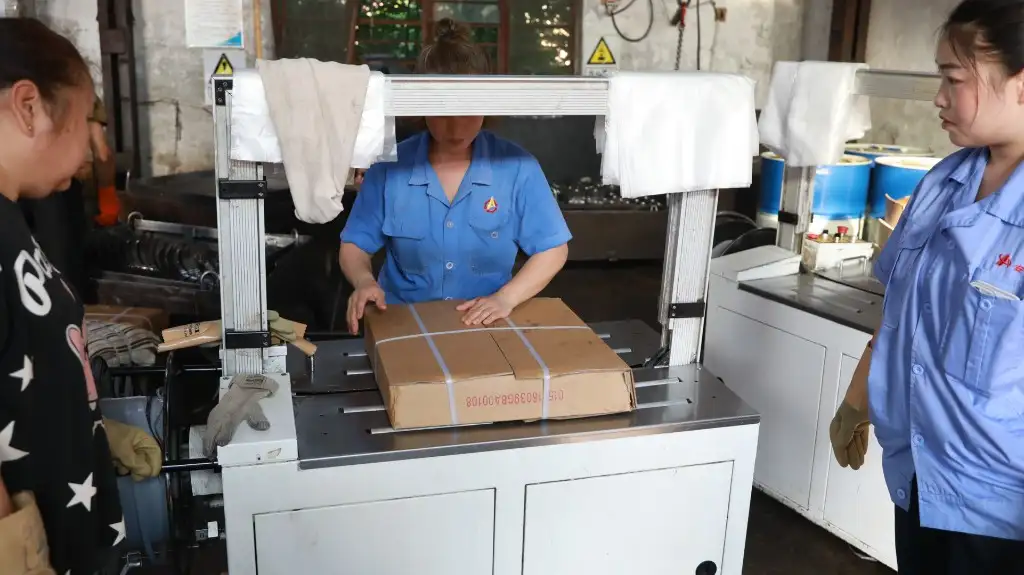
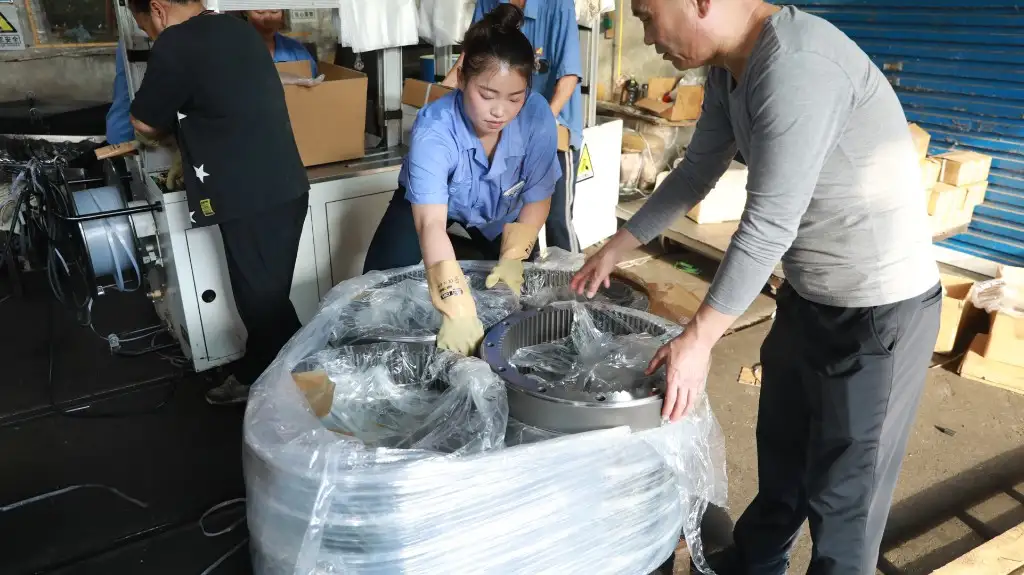
Packing photo Packing photo Packing photo

Frequently Asked Questions (FAQ)

Do you offer custom manufacturing? What information do I need to provide for customization?

We support full-parameter OEM/ODM customization based on 2D/3D drawings or physical samples, including module, tooth profile, material and heat treatment specifications. You only need to provide core gear parameters, detailed drawings or physical samples to start the customization process.

How can I send samples for reverse engineering and replication?

You can send physical samples to us via international courier. Upon receipt, we will complete full-dimensional measurement and parameter verification, then arrange sample production after confirming the solution, ensuring the finished product fully matches the original in installation dimensions and transmission performance.

What is the typical lead time for custom gears?

Prototype orders usually ship within 15–25 days, subject to heat treatment and grinding scheduling. Lead time for bulk orders will be confirmed after process finalization, with stable and well-managed production schedules.

Is there a volume discount? Will product quality be guaranteed for large orders?

We adopt a tiered pricing policy — the larger the order quantity, the more favorable the unit price. All orders follow the same production and quality inspection standards with strict accuracy control. Quality will never be compromised for larger order volumes.

Do you provide inspection reports along with shipments?

We can include dimensional inspection reports, hardness test records and material certificates with each shipment. For high-precision key projects, professional inspection data from CMM and gear measuring centers is also available.

Do you provide warranty service for your products?

All products come with a 1-year warranty covering material defects and manufacturing quality issues under normal use. We also have a professional technical team to provide full-process consultation and selection support.

How to choose between spur gears and helical gears?

Spur gears feature a simple structure and no axial load, ideal for medium-low speed general transmission with higher cost-effectiveness. Helical gears run smoother with lower noise and higher load capacity, suitable for high-speed heavy-duty applications. We can recommend the optimal solution based on your actual requirements.

Send Us a Message

Upload Drawing / Reference File

All drawings and technical information are kept strictly confidential and will never be disclosed to third parties.