Why Decorative Manhole Covers Matter in Landscape Projects
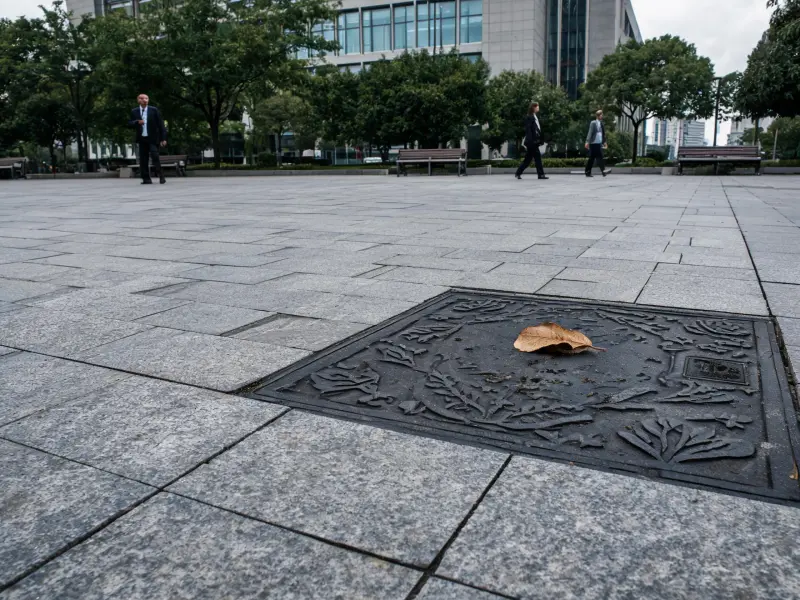
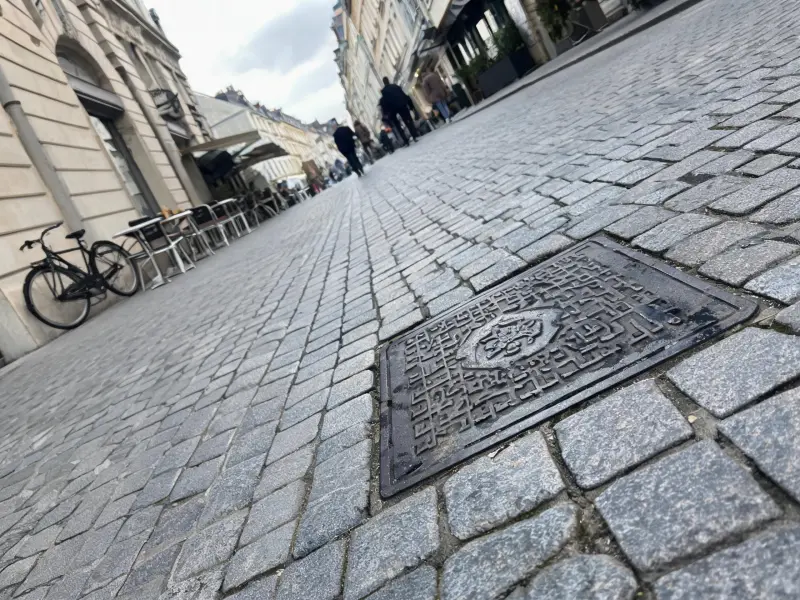
A manhole cover is a practical access point for underground utilities, but in a pedestrian street, commercial plaza or resort landscape, it is also part of the visible streetscape. When conventional flat covers interrupt a carefully designed pavement pattern, the utility access point can become an unwanted visual element.
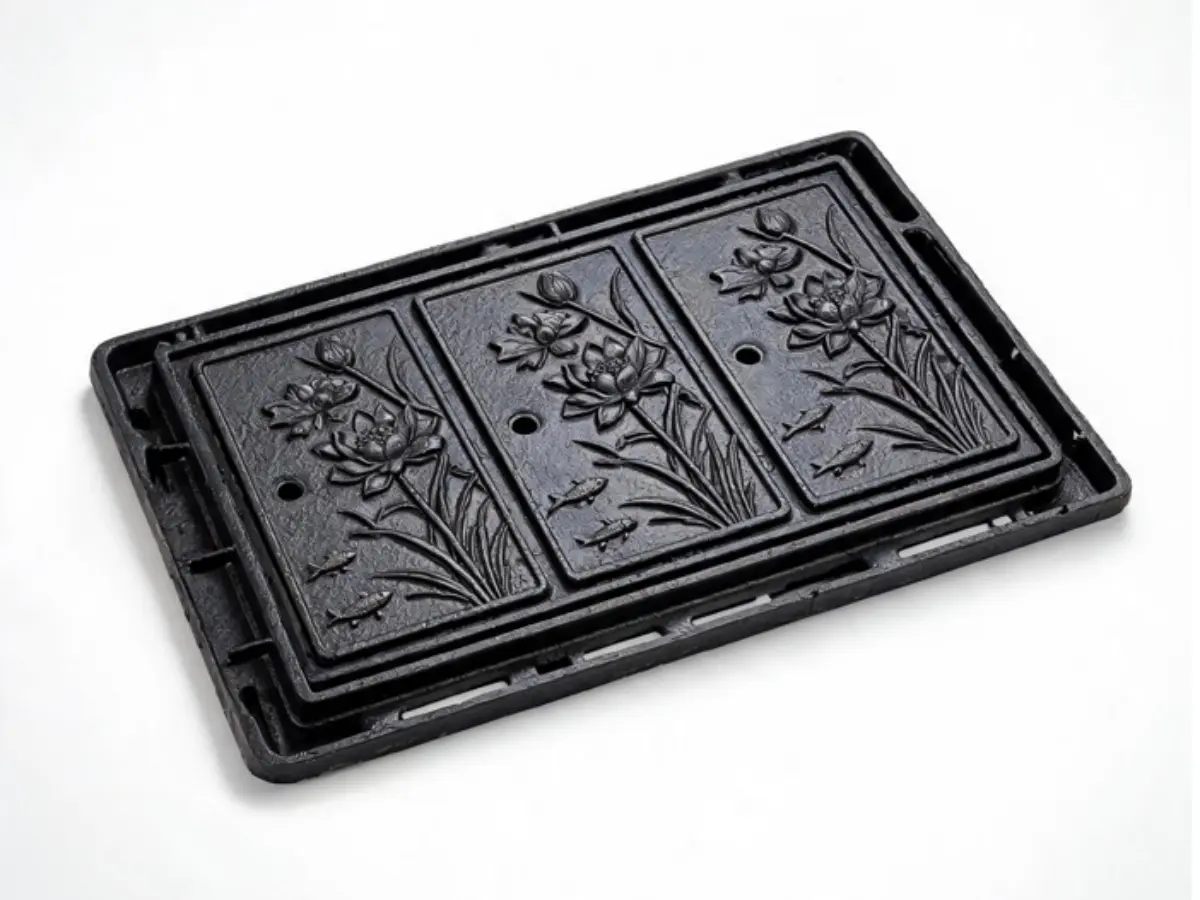
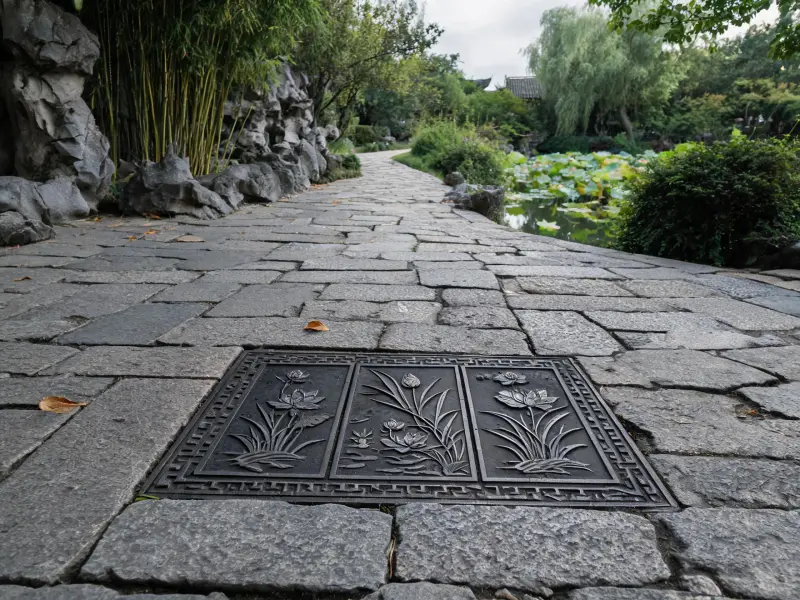
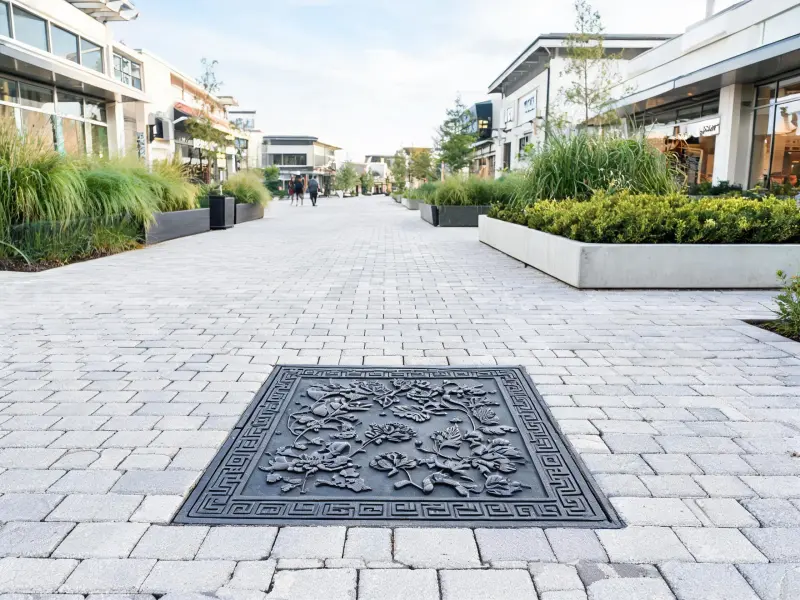
Decorative ductile iron manhole covers offer another approach: keep the access function while integrating the cover into the landscape design. The three-piece artistic relief cover described in this article combines a ductile iron casting structure with integral relief patterns such as lotus flowers, reeds and fish. The result is a utility cover designed to work as part of the surrounding landscape rather than something that simply needs to be hidden.
For overseas projects, the key purchasing questions are usually straightforward: What load class is appropriate? How is the cover opened for maintenance? Can the pattern, dimensions and finish be customized? This guide answers those questions from a project-selection and procurement perspective.
1. What Is a Decorative Ductile Iron Manhole Cover?
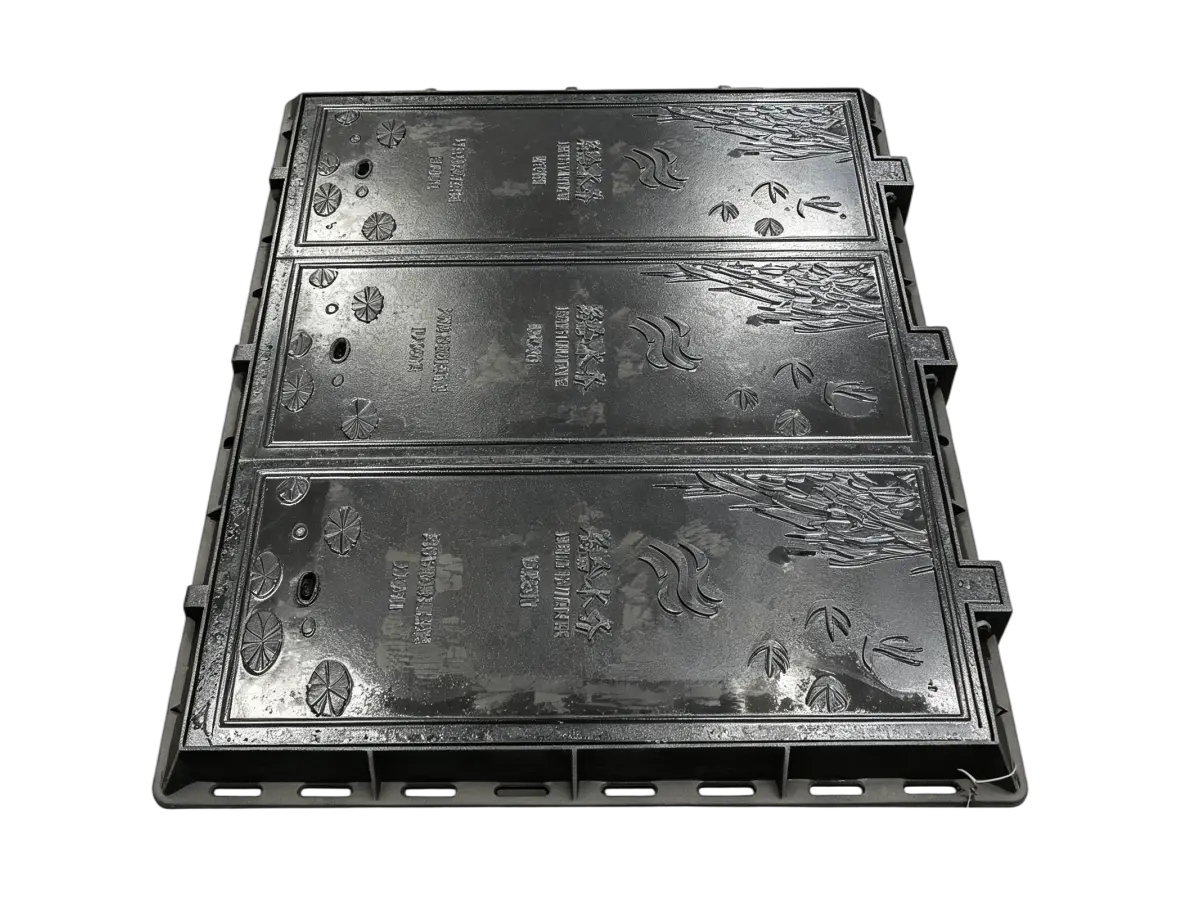
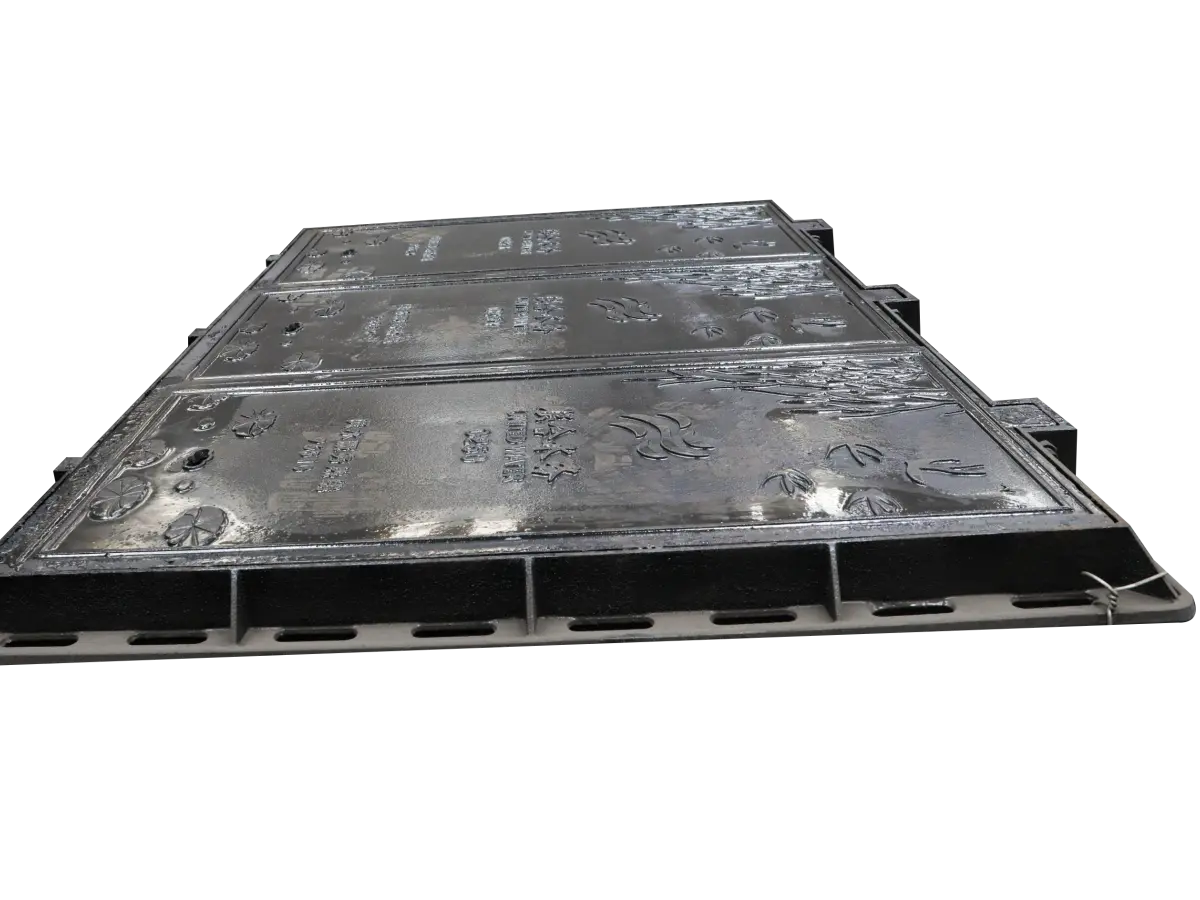
A decorative ductile iron manhole cover is a cast access cover designed to combine underground utility access with a visible architectural or landscape finish. In this three-piece square design, one outer frame supports three independent cover panels. Each panel can be lifted separately, making routine inspection and maintenance more manageable for large access openings.
The relief pattern is formed during sand casting rather than being added as a separate decorative layer. This means the design is integrated into the casting itself. For project-specific requirements, relief themes, logos, lettering and other markings can be developed around the customer’s landscape or branding concept.
2. Three Features That Matter in Project Procurement
Three-Piece Modular Access
The frame consists of an outer rectangular frame and three separate rectangular panels. Each panel has a lifting point and can be opened individually, avoiding the need to remove a large single cover whenever access is required.
For large openings, dividing the cover into three panels can also reduce the size and weight of each individual lifting piece. In practical maintenance, this can make handling easier and allows a damaged panel to be replaced without automatically replacing the entire assembly, subject to the project design.
Integral Relief Casting
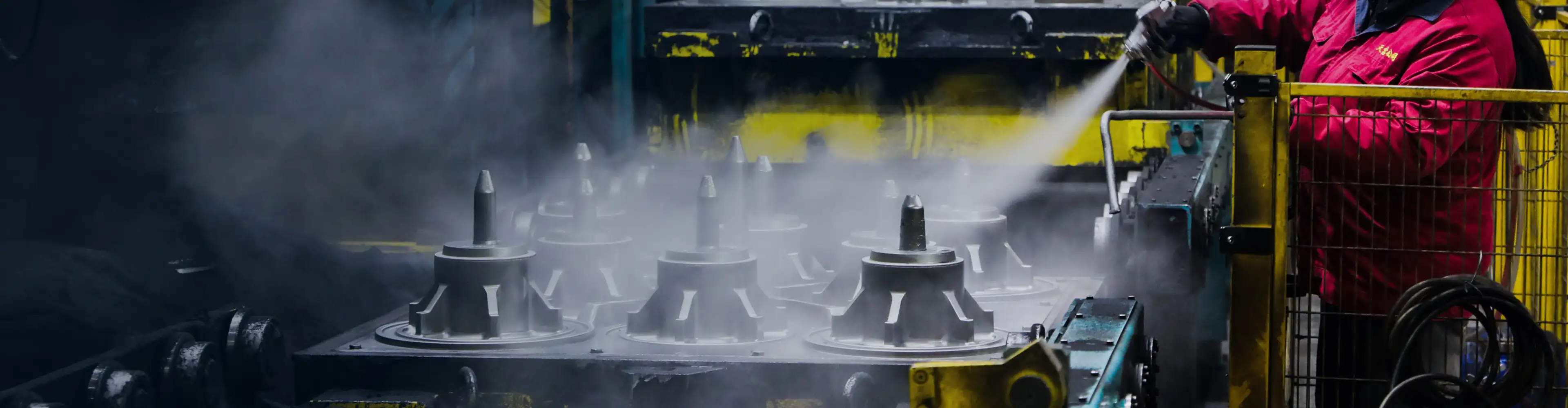
Lotus, reed and fish motifs are formed directly in the sand mold. Because the relief is part of the casting rather than a separately attached decorative layer, the visual pattern is integrated with the cover panel itself. Typical relief height in the supplied design is approximately 3-5 mm.
Custom patterns are also possible. Depending on the project, a customer may specify botanical themes, geometric graphics, local cultural motifs, a company logo or a project identification mark.
Ductile Iron and Selectable Load Classes
The supplied product specification uses QT500-7 ductile iron and identifies EN 124 load classes B125, C250 and D400 as available options. The appropriate class should be selected according to the actual traffic and installation conditions of the project.
For website communication, it is better to state the available EN 124 load-class configuration clearly and separately from any third-party certification claim. Project drawings, test reports or certification documents should be provided where a specific compliance or certification statement is required by the buyer or authority.
 +86 184 3796 0706
 info@destinytrans.com